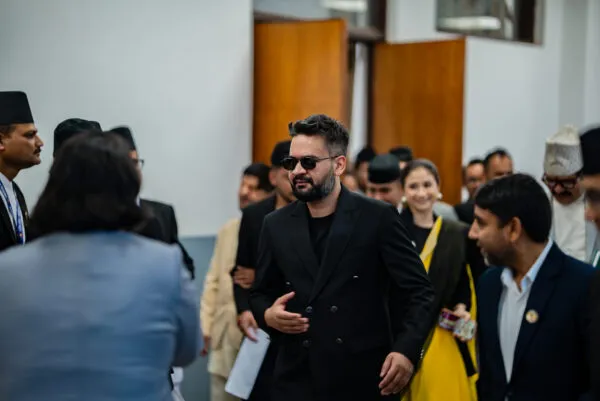
Two months. That's all it took for Nepal's freshly minted Prime Minister Balendra Shah to apparently decide that winning an election means never having to say you're sorry - or, apparently, follow established rules.
According to a report by The Diplomat, Shah has been operating with a striking disregard for constitutional norms, parliamentary procedures, and even basic diplomatic courtesy since taking office. The piece describes a leader who seems to have confused 'strong mandate' with 'absolute immunity from accountability' - a very common and very dangerous mix-up in the annals of democratic governance.
The honeymoon is over before it started
Most new leaders enjoy at least a brief grace period where critics give them the benefit of the doubt. Shah appears to have speed-run straight past that phase and into full-blown controversy at a pace that would impress a any% speedrunner.
The Diplomat's analysis paints a picture of a prime minister doing largely as he pleases - bypassing the checks and balances that parliamentary systems are specifically designed to enforce. Constitutional norms aren't just bureaucratic red tape, of course. They're the scaffolding that keeps democracies from collapsing into one-man shows.
Why this matters beyond Nepal's borders
Nepal sits at a geopolitically sensitive crossroads between India and China, meaning instability in Kathmandu has a way of sending ripples across the region. A PM who dismisses diplomatic niceties and parliamentary procedure isn't just a domestic headache - he's a variable that neighboring powers and international partners have to factor into their calculations.
There's also the broader pattern worth noting here. The 'I won, therefore I can do whatever I want' theory of governance has been field-tested in several democracies over the past decade. It has not, historically speaking, ended particularly well for the democracies involved.
The mandate is not a cheat code
Electoral mandates are powerful things. They confer legitimacy, political capital, and the authority to pursue a governing agenda. What they do not confer, as The Diplomat pointedly observes, is immunity from constitutional constraints or permission to sideline parliamentary oversight.
Shah's supporters would presumably argue he is simply moving fast and getting things done. His critics - and apparently, Nepal's constitutional framework itself - would suggest that speed without guardrails tends to produce crashes rather than progress.
At just two months in, it may still be early days. But the pattern emerging from Kathmandu is one that political observers will be watching very closely.