The United States military campaign against Iran has passed the 60-day threshold, triggering a legal requirement under the War Powers Resolution that obliges President Donald Trump to seek congressional authorization to continue hostilities, according to legal experts cited by Al Jazeera.
The 1973 War Powers Resolution was designed to limit a president's ability to commit US forces to armed conflict without congressional approval. Under the law, a president must notify Congress within 48 hours of deploying troops into hostilities and must withdraw those forces within 60 days unless Congress formally authorizes the action or declares war.
A law with a complicated history
Despite the clear statutory language, the War Powers Resolution has rarely been enforced since its passage. Presidents of both parties have historically argued that the law infringes on their authority as commander-in-chief, and Congress has repeatedly declined to force a confrontation on the issue.
Legal scholars say the current situation is no different in that respect. While the 60-day clock has now expired, experts told Al Jazeera that Congress may choose to avoid the issue entirely rather than hold a formal vote that would require members to take a politically difficult position on the conflict.
Congressional reluctance
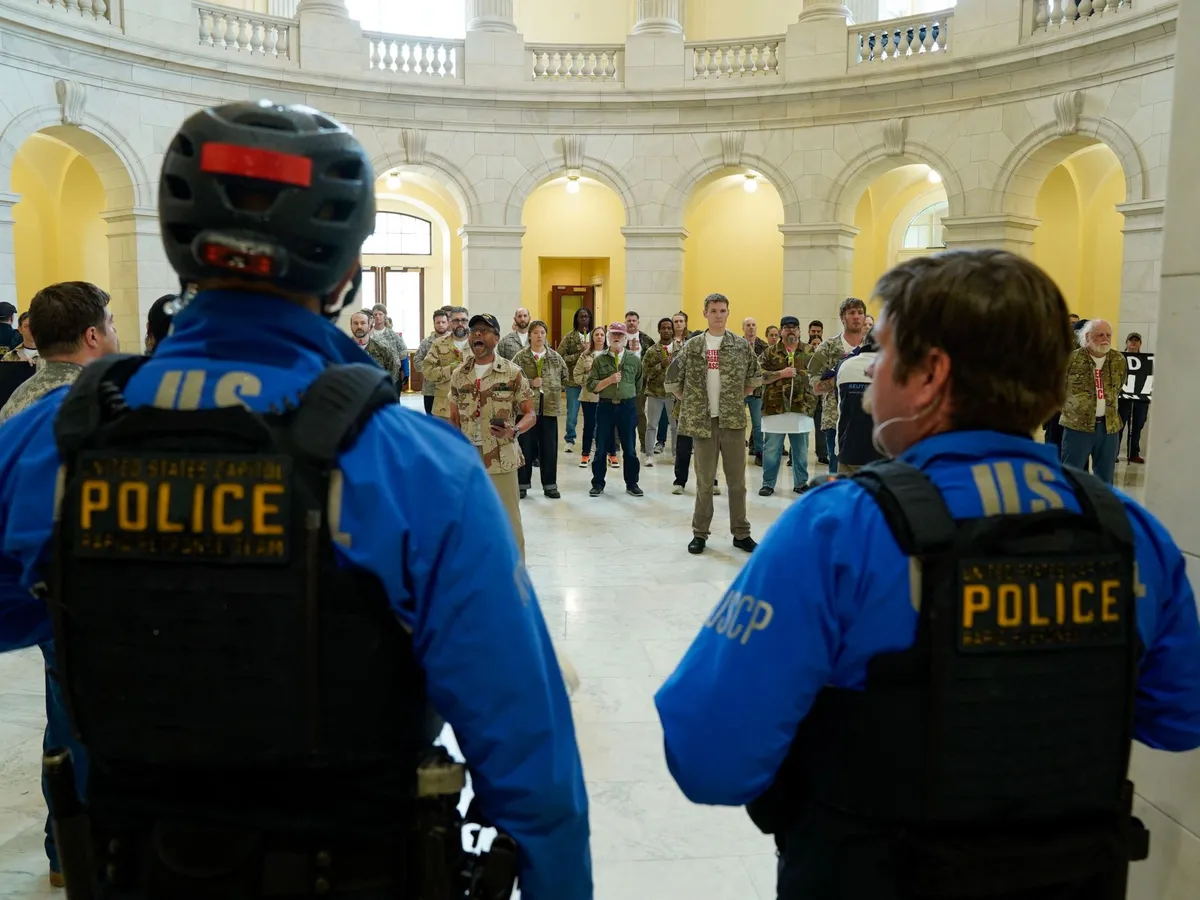
The question of whether Congress wants a meaningful say in the Iran campaign reflects a broader pattern of legislative deference on matters of war. A formal vote on authorizing the conflict would force individual lawmakers to go on record either supporting or opposing military action - a prospect that carries significant political risk in either direction.
Some members of Congress have called for greater oversight, arguing that the constitutional power to declare war rests with the legislative branch and that the executive has operated beyond its legal authority. Others have remained largely silent.
The White House has not publicly acknowledged any obligation under the War Powers Resolution in connection with the Iran campaign, consistent with the position taken by previous administrations in similar circumstances.
Legal ambiguity and political calculus
Whether Congress ultimately acts remains uncertain. Experts note that even if lawmakers were to pass a resolution demanding the withdrawal of US forces, a presidential veto would be difficult to override. The law's enforcement mechanism has long been considered one of its central weaknesses.
Al Jazeera's reporting highlights the tension between the legal framework established after the Vietnam War and the political realities that have consistently undermined its application. As the conflict with Iran continues, the question of democratic accountability for the use of military force remains unresolved.