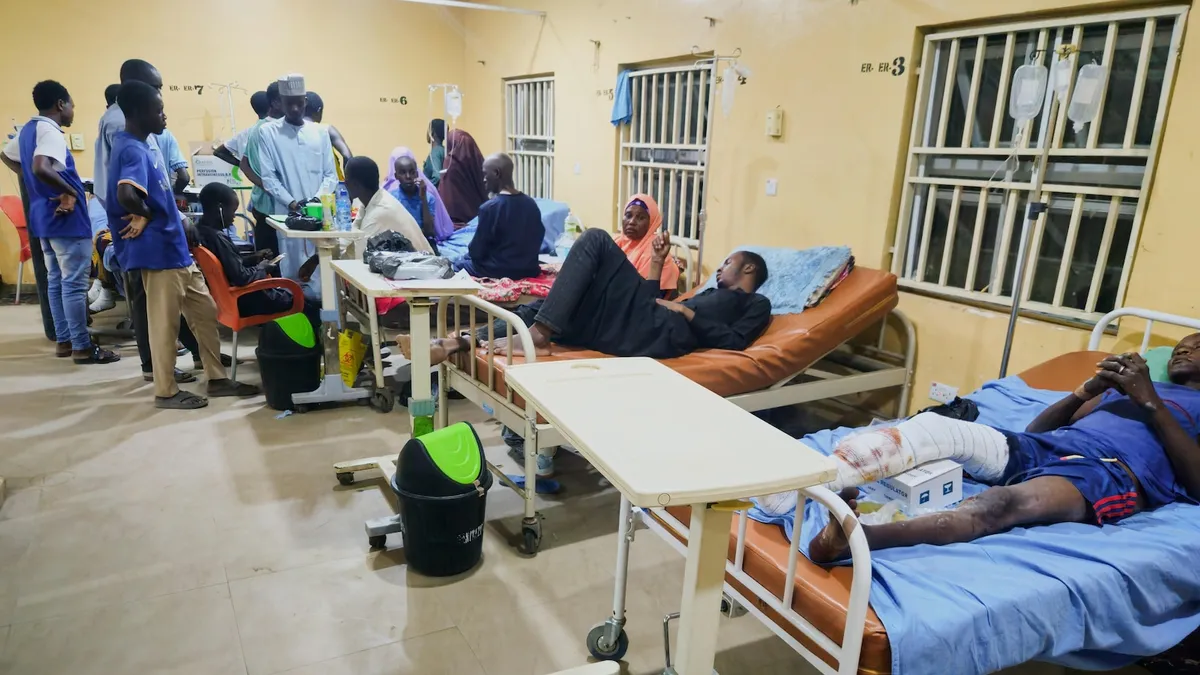
At least 100 people have been killed in northern Nigeria after a Nigerian Air Force strike intended to target jihadist rebels hit a busy local market instead, according to sources cited by ABC News.
The incident, described by sources as a "misfire," took place in Borno State, a region in northeastern Nigeria that has long been at the center of an insurgency led by the militant group Boko Haram and its splinter faction, the Islamic State West Africa Province (ISWAP).
What happened
The Nigerian Air Force was conducting an operation against jihadist rebels in the area when the strike struck a civilian market rather than its intended target. The full death toll remains difficult to confirm given the remote and conflict-affected nature of the region, but sources indicate the number of fatalities has reached at least 100.
Borno State is frequently the site of military operations against armed Islamist groups that have waged an insurgency in the Lake Chad Basin for more than a decade. Nigerian forces have repeatedly targeted militant positions in the area, though civilian casualties from such operations have been reported before.
Context and background
Nigeria's military has been engaged in a prolonged campaign against Boko Haram and ISWAP, both of which have been responsible for thousands of civilian deaths and mass displacement across northeastern Nigeria, Niger, Chad, and Cameroon.
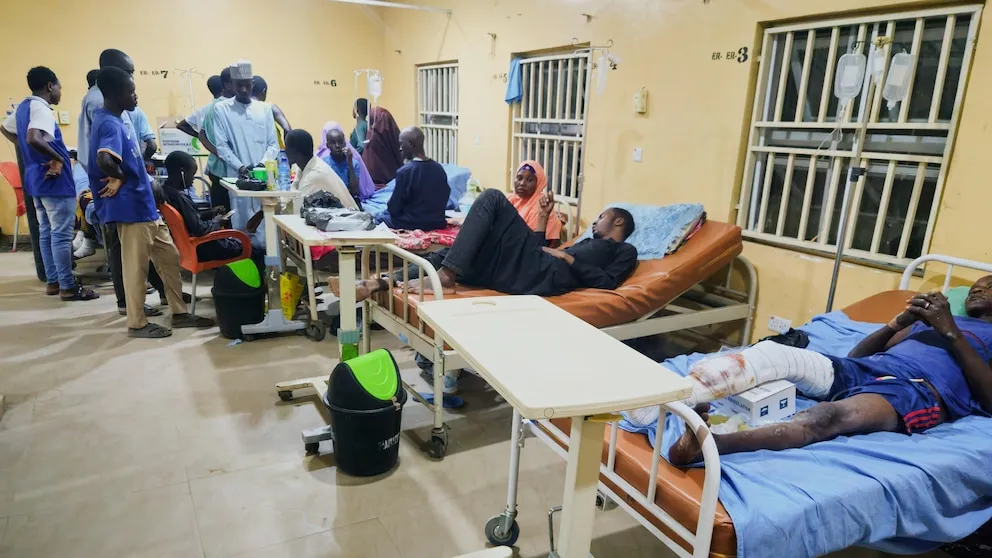
The northeastern part of Nigeria, particularly Borno State, remains one of the most volatile regions on the African continent. Markets and public gathering places have historically been targets of militant attacks, but in this case it was a military strike that struck the civilian location.
Incidents of friendly fire or misidentified targets during counterinsurgency operations have occurred across various conflict zones globally and present a persistent challenge for military forces operating in densely populated or contested areas.
As of the time of reporting, the Nigerian Air Force had not issued a detailed public statement addressing the strike. The Nigerian government and military have faced scrutiny in the past over transparency regarding civilian casualties during counterterrorism operations.
International humanitarian organizations have repeatedly raised concerns about the humanitarian situation in Borno State, where millions of people have been displaced by years of conflict. The region depends heavily on local markets for food and basic goods, making such gathering places critical to civilian survival.
The incident is expected to draw calls for accountability and an independent investigation from human rights groups.