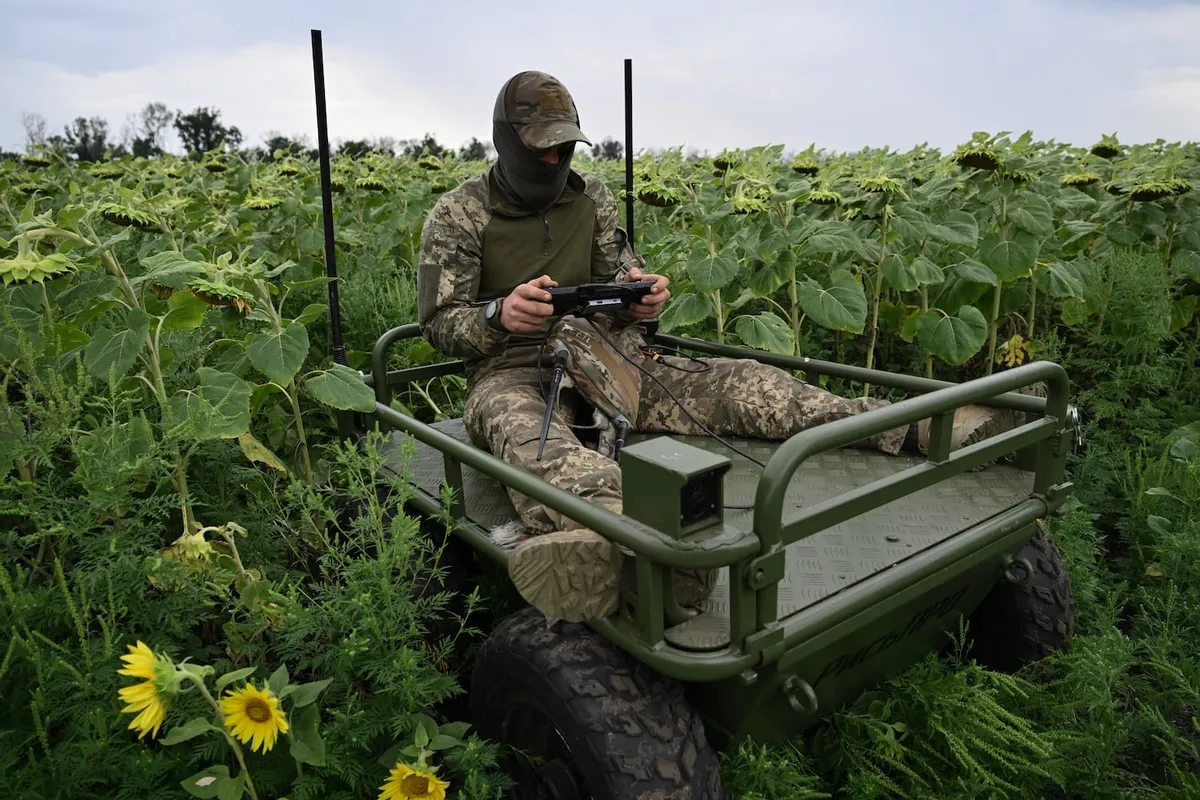
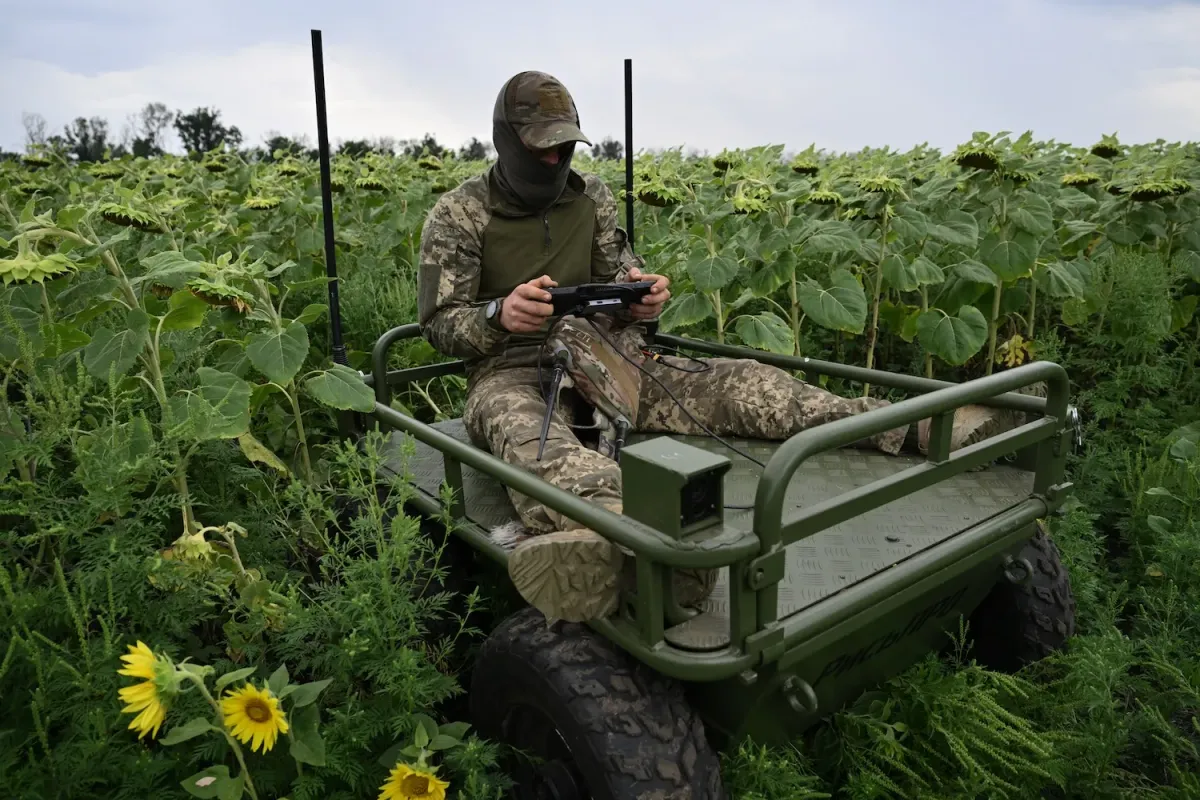
Ukraine is expanding its use of unmanned ground vehicles (UGVs) in combat operations, according to a report by Foreign Policy, as Russian drone attacks continue to impose mounting pressure on Ukrainian forces along the front lines.
While ground robots have primarily served logistical functions in the conflict - transporting supplies and evacuating wounded soldiers under fire - Ukrainian military units are increasingly deploying them in direct combat roles, the report indicates.
From logistics to the front line
The shift reflects a broader adaptation by Ukrainian forces to a battlefield increasingly shaped by aerial threats. Russian drone strikes have made troop movements more dangerous, creating pressure to find alternatives that reduce human exposure in high-risk zones.
UGVs offer one such alternative. Operators can control the vehicles remotely, keeping personnel at a distance from direct fire. As the technology has matured and Ukrainian forces have gained experience with the systems, their application in offensive and defensive combat roles has grown, according to Foreign Policy.
Ukraine has developed a domestic drone and robotics industry throughout the war, partly out of necessity and partly driven by government investment in military technology. Ground robots represent a natural extension of that effort, following the country's extensive development and deployment of first-person-view (FPV) drones.
Challenges remain
Despite their growing use, UGVs face significant operational limitations. Rough terrain, electronic warfare interference, and the complexity of real-time remote operation all present hurdles that Ukrainian engineers and soldiers are working to overcome.

The reliability and effectiveness of ground robots in active combat conditions remain subjects of ongoing evaluation, and their role is still considered supplementary rather than central to Ukrainian military operations at this stage.
A changing character of warfare
The development aligns with broader trends in modern warfare, where unmanned systems - aerial, maritime, and now terrestrial - are playing increasingly prominent roles. The conflict in Ukraine has served as a live testing ground for many of these technologies, drawing attention from militaries around the world.
Analysts have noted that the lessons being learned on both sides of the conflict are likely to influence military doctrine and procurement decisions globally in the years ahead.
Foreign Policy's report does not specify the exact types or numbers of UGVs currently in Ukrainian service, nor does it detail specific combat engagements in which they have been used.