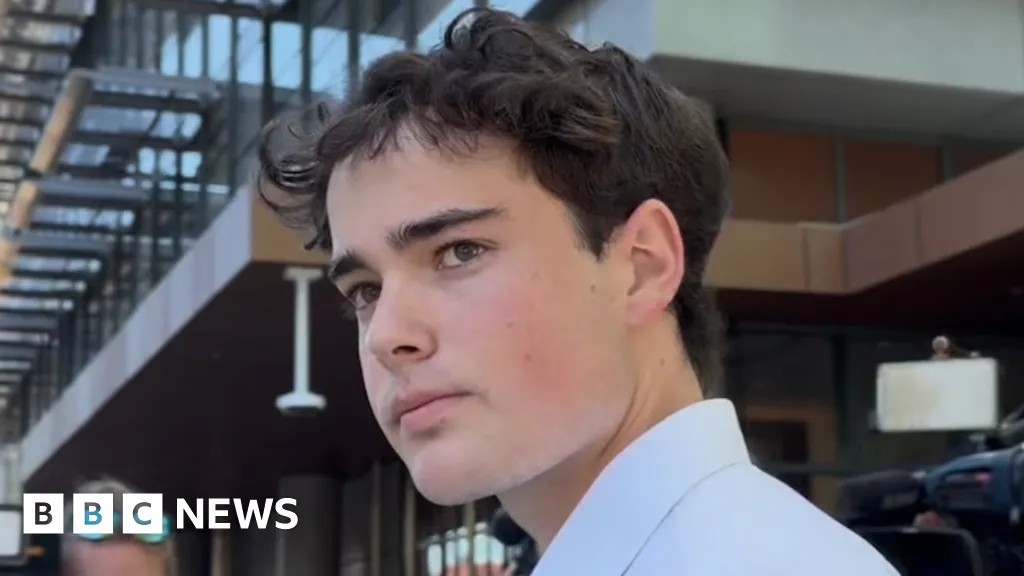
In what the BBC is reporting as a landmark legal moment, a 19-year-old Australian man has pleaded guilty to creating deepfake pornography - becoming the first person ever charged under Australia's new national law targeting the non-consensual creation of synthetic sexual imagery.
Yes, you read that right. First. Ever. As in, the law exists, it has teeth, and someone just found out the hard way.
So what exactly happened?
According to the BBC's reporting, the teenager was charged under legislation that Australia introduced specifically to address the rapidly growing problem of AI-generated sexual abuse material. The case marks the first time prosecutors have wielded the new national law against an offender, making it a significant test of whether governments can actually hold people accountable in the wild west of AI-generated content.
Details about the specific victims and sentencing outcomes were not fully disclosed in the source reporting, but the guilty plea itself is being treated as a watershed moment by advocates who have pushed hard for exactly this kind of legal accountability.
Why does this actually matter?
Deepfake pornography - where a real person's face or likeness is superimposed onto explicit content without their consent - has exploded as a problem alongside the democratisation of AI image generation tools. Victims have reported devastating psychological harm, reputational damage, and a legal system that, until recently, left them with essentially nowhere to turn.
Australia decided enough was enough and pushed through national legislation specifically criminalising the creation of this material. The fact that the very first charge resulted in a guilty plea sends a fairly unambiguous message: this is not a legal grey area anymore.
The bigger picture
This case arrives as governments worldwide scramble to regulate AI-generated content, with varying degrees of urgency and success. The UK, for instance, has been moving toward criminalising the creation of such images as well. The United States remains a patchwork of state-level laws with no federal standard - which, depending on your opinion of American legislative efficiency, will either be resolved soon or sometime around the heat death of the universe.
Australia's approach - pass a clear national law, then actually prosecute someone under it - is a model that advocates are now pointing to as proof that this kind of legislation can work in practice, not just on paper.
For the victims of deepfake abuse, a 19-year-old pleading guilty in a courtroom in Australia may feel like a small step. But in the context of how slowly the legal system has moved on this issue globally, it is - genuinely - a big deal.
Source: BBC News