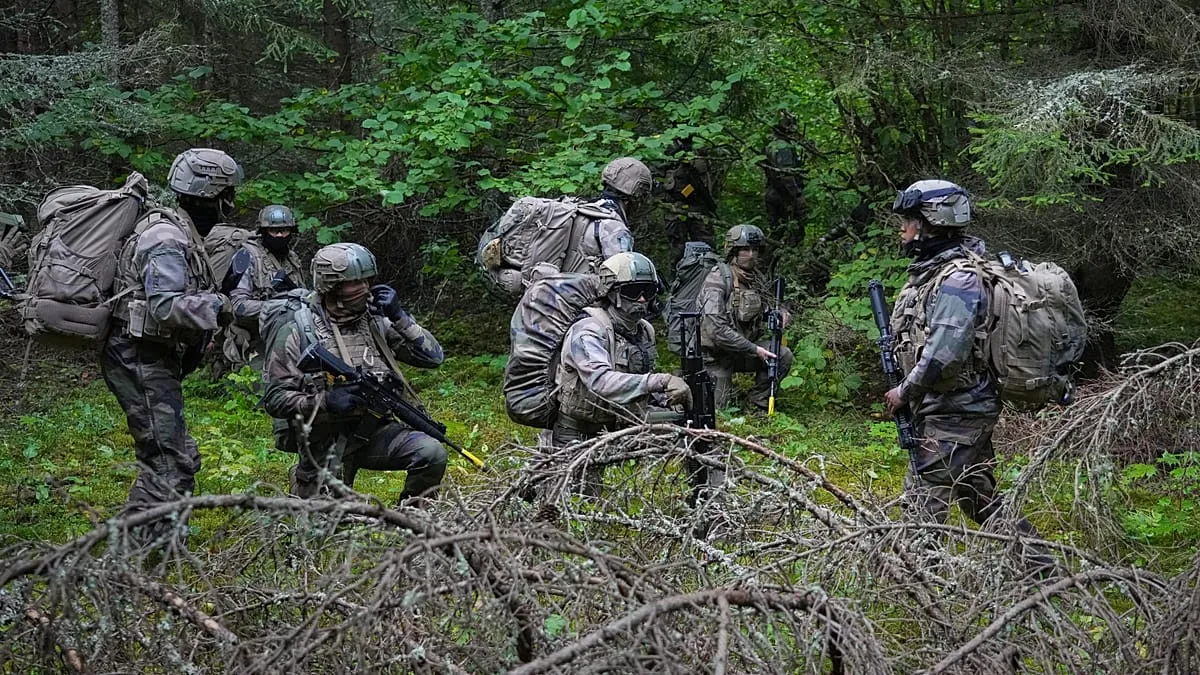
If you thought the transatlantic alliance drama was limited to tariffs and stern phone calls, buckle up - because Europe is now going toe-to-toe with the US on battlefield artificial intelligence. According to Euronews, France is set to test a homegrown AI command and control system called Arcadia during NATO military exercises, positioning it as a European-developed alternative to Maven - the AI system built by US tech giant Palantir that NATO currently relies on.
So what even is Arcadia?
Arcadia is a joint development effort involving French defense and technology firms, designed to do the kind of heavy-lifting that modern battlefield commanders increasingly need AI to handle - processing intelligence, coordinating units, and making sense of chaotic operational data in near real-time. Think of it as France's attempt to give NATO a European option on the menu, rather than ordering exclusively from the Palantir kitchen.
Maven, for context, is a well-established AI system that the US military has been refining for years. Palantir - the data analytics company co-founded by Peter Thiel and known for its sprawling government contracts - has been a central player in integrating AI into Western military infrastructure. Maven's adoption by NATO made it the de facto standard for AI-assisted command and control within the alliance.
Why does it matter that Europe wants its own version?
The timing is not subtle. With European NATO members increasingly anxious about strategic autonomy - and with Washington's relationship to the alliance having gone through some notably turbulent patches - the push to develop sovereign military technology has accelerated dramatically. Relying on a US company for a core piece of warfighting infrastructure raises obvious questions about data sovereignty, operational independence, and what happens if the geopolitical winds shift.
France, which has historically been NATO's most loudly independent member (they literally left the integrated military command for decades), is perhaps the natural candidate to spearhead this kind of effort.
The NATO drills as a proving ground
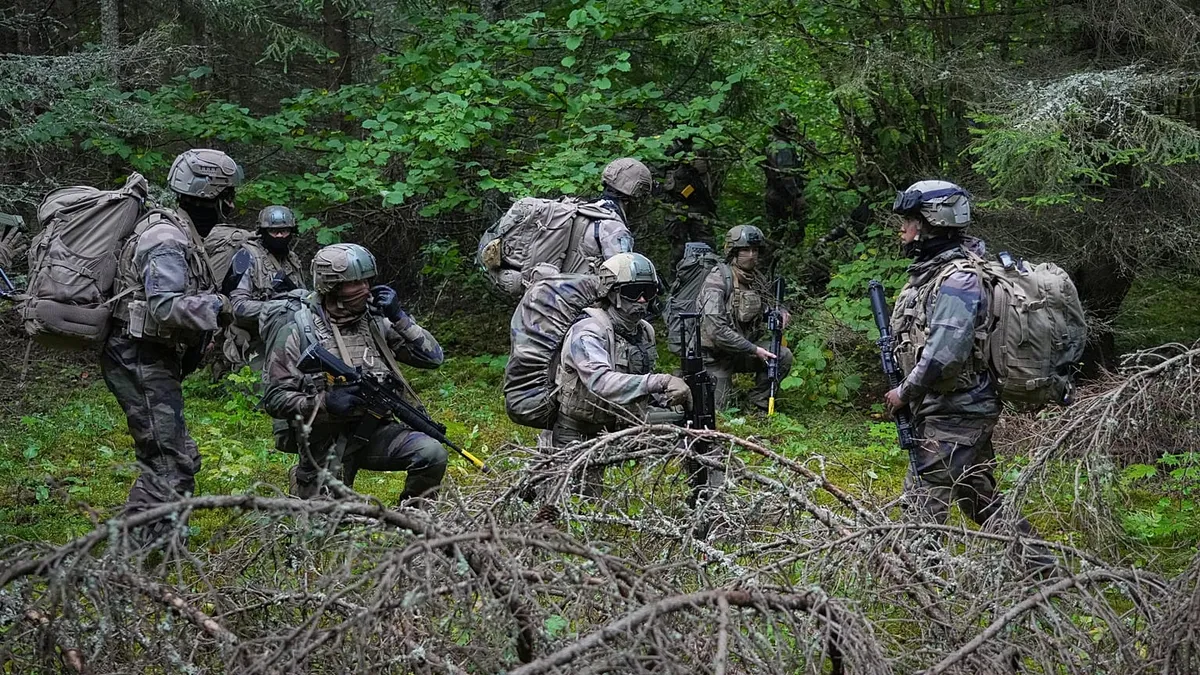
Testing Arcadia within a live NATO exercise framework is a significant step. It means the system will have to perform under realistic conditions alongside allied forces - a much sterner test than any lab environment. Whether Arcadia can match Maven's maturity and performance remains to be seen, but the political signal is clear: Europe is investing in its own AI war infrastructure, and it intends to be taken seriously.
No word yet on whether Palantir has sent a strongly worded email about the competition.