Move over, chatbots. The real AI arms race is now being fought in lab coats, and China just podium-finished it.
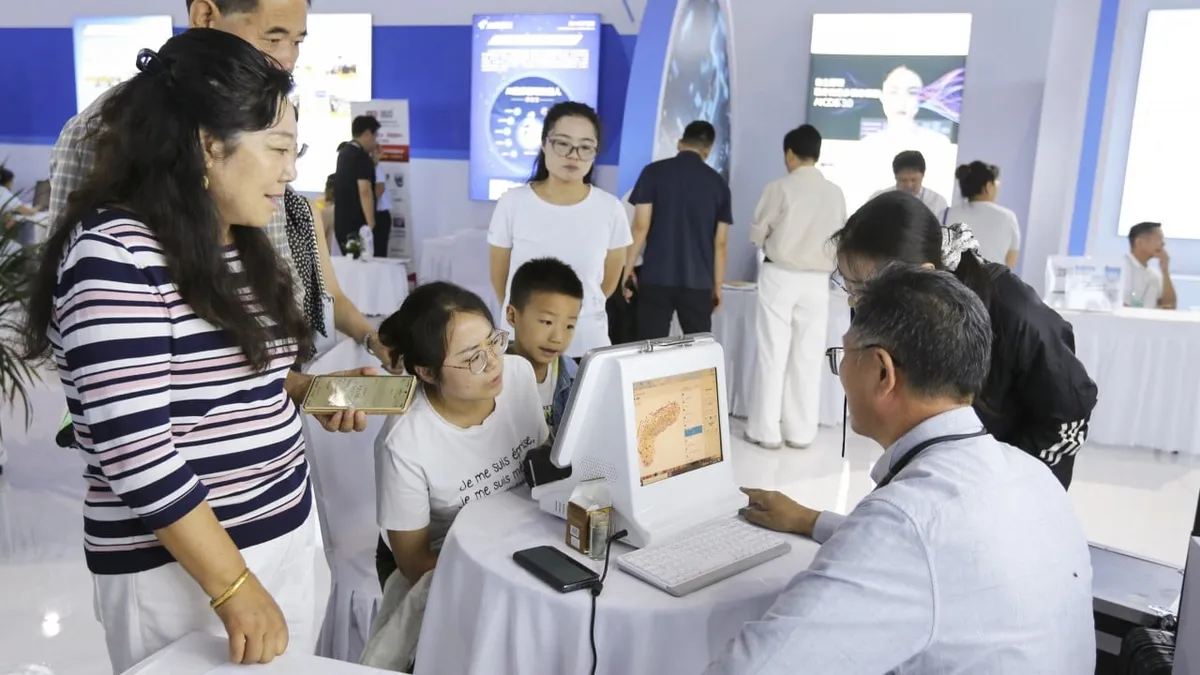
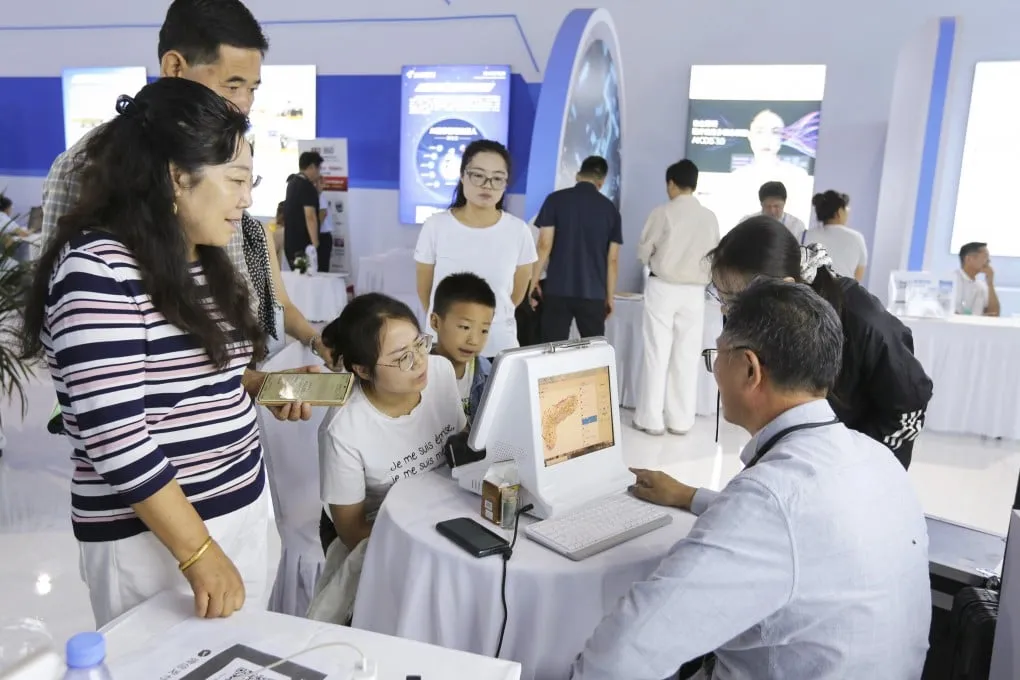
According to the latest Global AI Competitiveness Index, released Monday by Deep Knowledge Group - a consortium focused on deep-tech research, analytics, and investment - China has claimed third place globally in AI competitiveness specifically for life sciences. That covers biotechnology, healthcare, and the slightly terrifying field of longevity research, as in, the science of not dying. Only the United States and the United Kingdom ranked higher, per the South China Morning Post, which first reported the findings.
Why life sciences, and why now?
The index signals a broader shift in where the AI action is actually happening. The hype cycle for general-purpose AI models and chatbots is, politely speaking, getting a little long in the tooth. The new frontier is regulated, data-heavy industries where AI has the potential to do genuinely transformative things - think faster drug discovery, smarter diagnostics, and preventive medicine that could flag your health issues before you even feel them.
These are also industries where mistakes can kill people, which is why regulatory environment, data infrastructure, and research capacity all factor heavily into how countries are being scored. It is not just about who has the flashiest model - it is about who has the ecosystem to actually deploy AI responsibly at scale in a hospital or a pharmaceutical pipeline.
The podium, and what it means
The US taking the top spot will surprise absolutely nobody. The UK in second place is a notable showing, reflecting years of investment in biotech clusters and health data infrastructure, including the famously research-rich NHS dataset. China in third is the headline, though, given the geopolitical context surrounding its tech sector and ongoing questions about data governance and international scientific collaboration.
Deep Knowledge Group's index methodology incorporates factors like talent pipelines, funding environments, regulatory frameworks, and existing research output - making it a more nuanced picture than simply counting AI papers or startup valuations.
The race is just getting started
What the index ultimately underlines is that the competition to lead in AI is fragmenting. Being good at building a general-purpose language model and being good at applying AI to longevity research or oncology diagnostics are increasingly different skill sets, with different national strengths. Expect more of these domain-specific rankings to emerge - and expect the jostling for position to get considerably noisier.
For now, though, China has its bronze medal in the AI life sciences event. The US and UK might want to keep their eyes on the leaderboard.