If you enjoy watching Australian federal-state relations deteriorate in slow motion, buckle up - because the Albanese government's upcoming budget is shaping up to be a real treat.
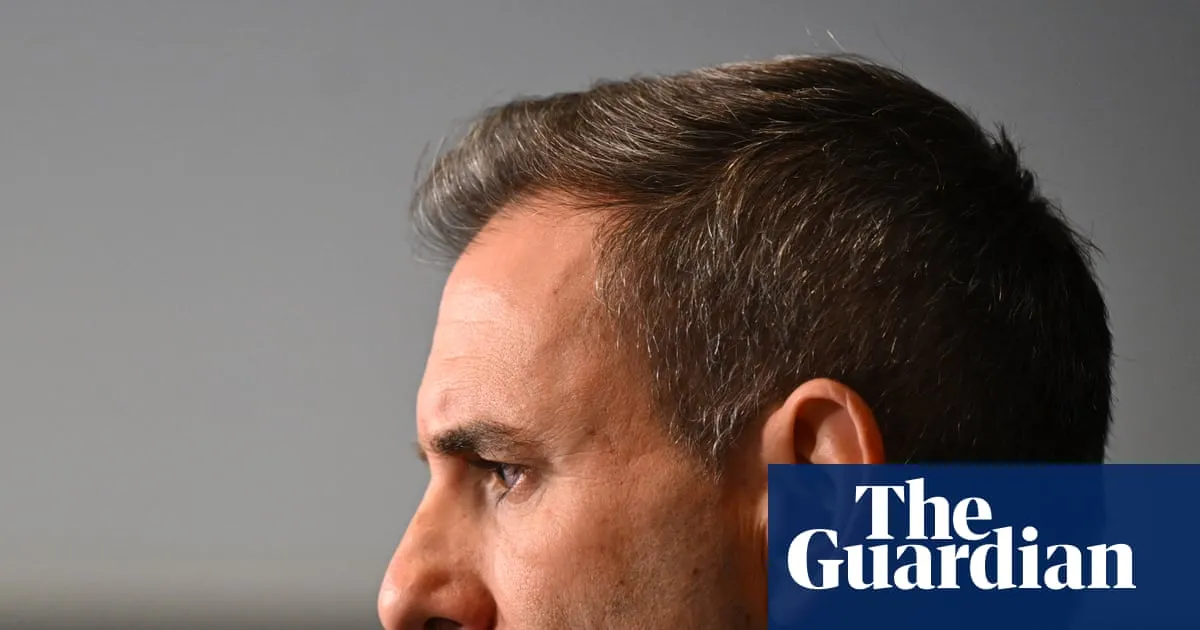
Treasurer Jim Chalmers has flagged that cuts to the National Disability Insurance Scheme will be "easily the most important" component of the government's budget savings measures ahead of next month's federal budget, according to reporting by The Guardian. And states, who are understandably not thrilled about the potential downstream costs landing on their own balance sheets, are getting increasingly anxious.
What's actually happening here?
Government sources across multiple states told The Guardian they are worried - not just mildly concerned, properly worried - about both the scope of the planned changes and what costs might end up getting redirected their way. State officials reportedly went so far as to ask federal Health Minister Mark Butler to explain the planned savings ahead of a major speech this week. That is the political equivalent of showing up at someone's door demanding to see the receipts.
The NDIS, which supports Australians living with permanent and significant disabilities, has seen its costs balloon well beyond original projections since launching in 2013. The scheme is now one of the largest items in the federal budget, and both sides of politics have been quietly sweating over its trajectory for years.
Why the states are sweating
Here is the uncomfortable dynamic at the centre of all this: if the federal government trims what the NDIS covers or tightens eligibility, some of those people don't just disappear. They often end up relying on state-funded services instead - health, housing, community support. The states know this math very well, which is why they're knocking on Mark Butler's door asking uncomfortable questions before the budget drops.
It is essentially a game of hot potato with a $40-plus billion scheme, and nobody wants to be holding it when the music stops.
The bigger picture
Chalmers' framing of these cuts as the "most important" savings measure is a significant signal that the government is betting heavily on NDIS reform to help repair the budget bottom line. Whether that reform lands as genuine sustainability measures or as cuts that hurt vulnerable Australians - depending heavily on who you ask - is set to be one of the defining political fights of this budget cycle.
The states clearly want answers before they find out on budget night like everyone else. Whether they'll get them is another question entirely.