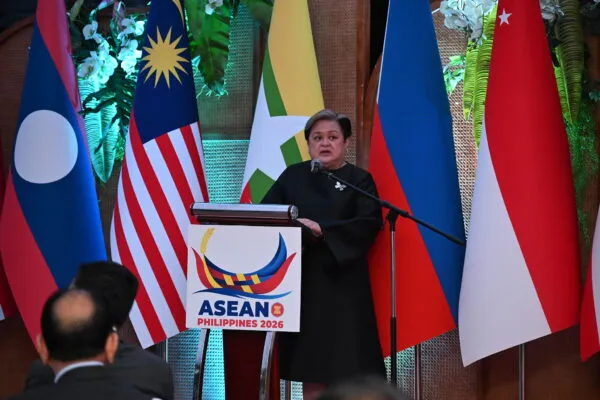
In what is becoming one of Southeast Asia's most frustrating diplomatic groundhog days, the Philippines has formally urged Myanmar's military junta to grant the ASEAN Special Envoy access to detained former leader Aung San Suu Kyi - a request that comes just one day before the 48th ASEAN Summit opens in Cebu, according to The Diplomat.
If this sounds familiar, that is because it absolutely is. ASEAN has been trying to get its special envoy meaningful access to Suu Kyi - and to the broader Myanmar peace process - since the military seized power in a February 2021 coup. The junta, true to form, has treated these requests with roughly the same enthusiasm most people reserve for unsolicited LinkedIn messages.
Why it matters right now
The summit in Cebu puts the Myanmar crisis squarely back in the spotlight. The Philippines, which holds the ASEAN chair this year, is clearly trying to show some diplomatic backbone ahead of the gathering - a credibility move as much as a humanitarian one. Getting the junta to allow the special envoy to meet Suu Kyi would be a symbolic but significant step toward demonstrating that ASEAN's so-called "Five-Point Consensus" - agreed upon back in April 2021 - is more than a very expensive piece of paper.
That consensus called for an immediate end to violence, constructive dialogue among all parties, the appointment of a special envoy, humanitarian assistance, and - crucially - that envoy's visit to Myanmar to meet all concerned parties. Years later, the junta has selectively engaged with those points in the same way a student selectively reads an assigned textbook: technically touching it, but absorbing very little.
The Suu Kyi factor
Aung San Suu Kyi, now in her late 70s, has been held in detention since the coup and faces a long list of charges widely condemned by human rights organizations as politically motivated. Her isolation has made independent verification of her health and conditions essentially impossible - which is precisely why access is such a sticking point for regional and international observers.
ASEAN's approach to Myanmar has drawn persistent criticism for being too soft, too consensus-driven, and too reluctant to impose real consequences on the junta. Critics argue the bloc's non-interference principle - long a cornerstone of ASEAN identity - has effectively shielded the military from accountability.
Whether the Philippines' pre-summit nudge will produce any tangible result remains, to put it generously, uncertain. But with regional eyes on Cebu, Manila at least seems intent on making sure Myanmar cannot sleepwalk through another summit without being asked the uncomfortable questions.