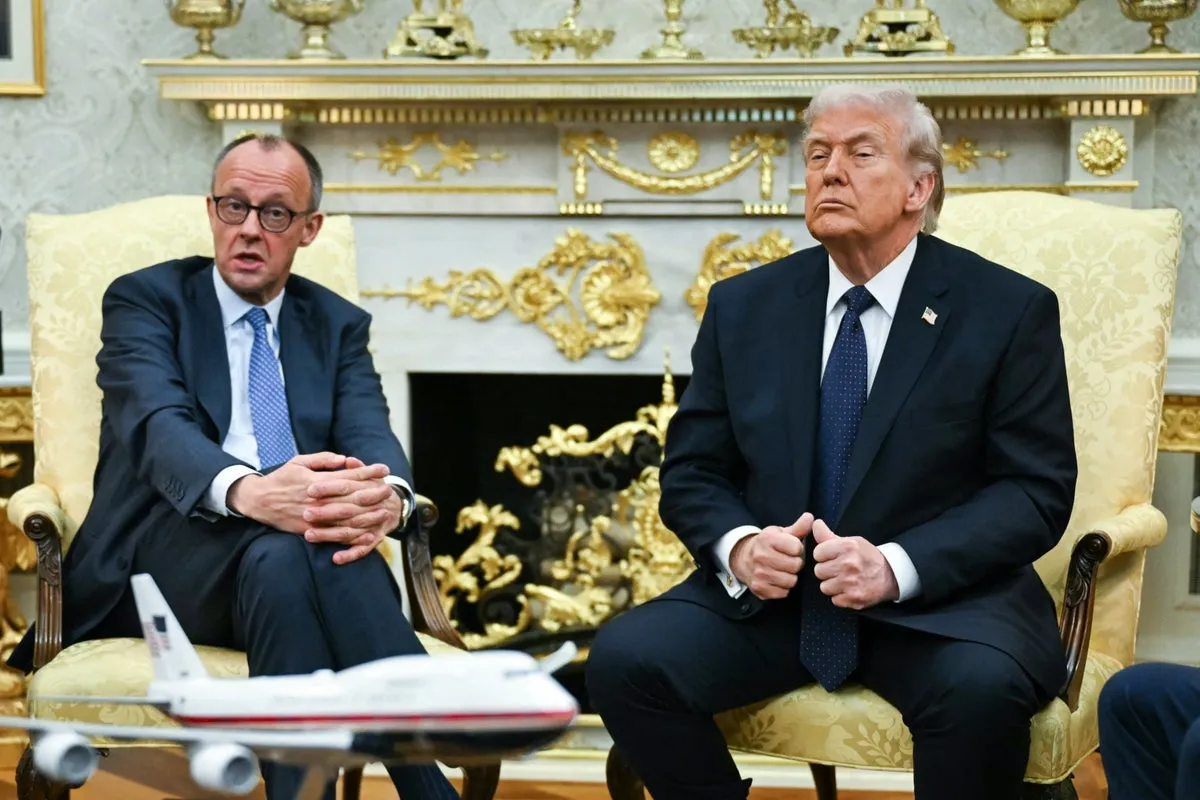
U.S. President Donald Trump has lashed out at Germany after a senior German official described recent events as a humiliation for the United States, marking the latest in a series of public confrontations with European allies that have accelerated since Washington launched military strikes against Iran.
According to reporting by The Independent, Trump's relationship with key transatlantic partners - including Germany, the United Kingdom, France and Spain - has deteriorated sharply in recent weeks. The clashes span disagreements over the Iran military campaign, trade policy and the broader direction of American foreign policy.

The Germany dispute
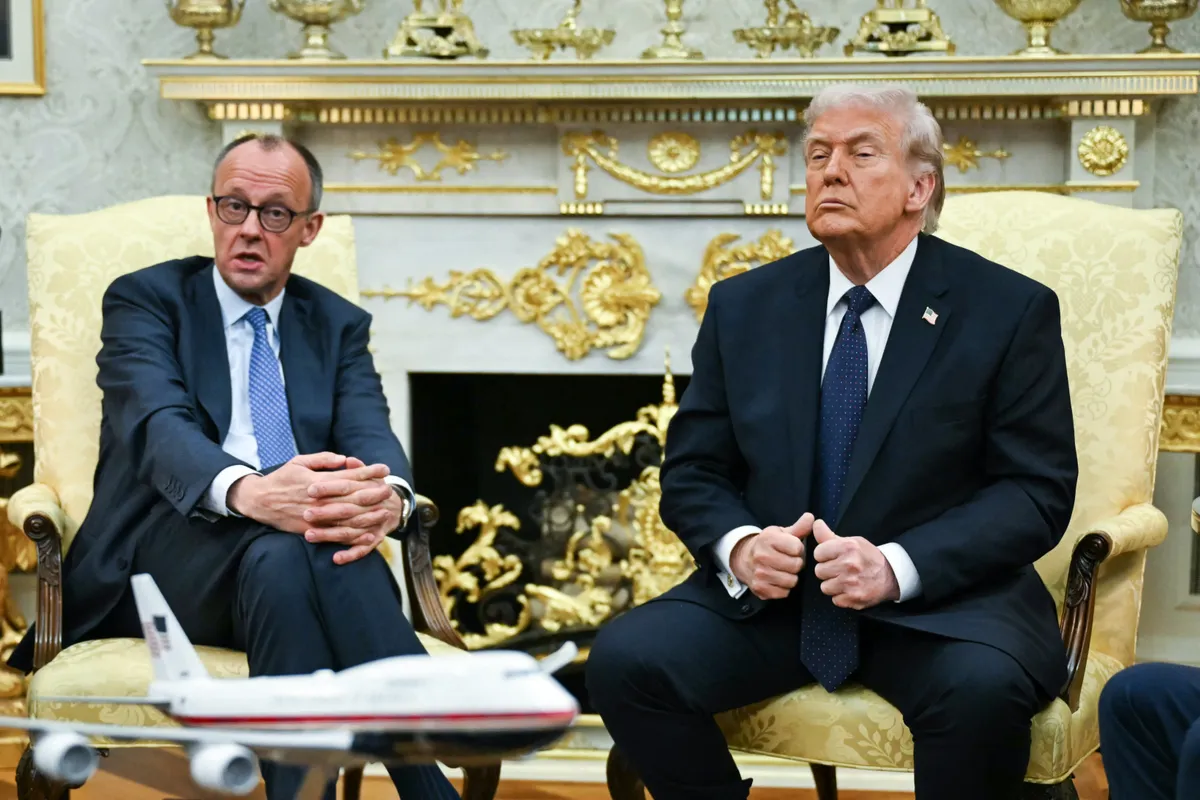
The friction with Berlin centers on remarks attributed to German leadership, including Chancellor Friedrich Merz, that framed U.S. actions as damaging to America's own standing. Trump responded publicly by pushing back against the characterization, continuing a pattern of direct criticism aimed at European heads of government.
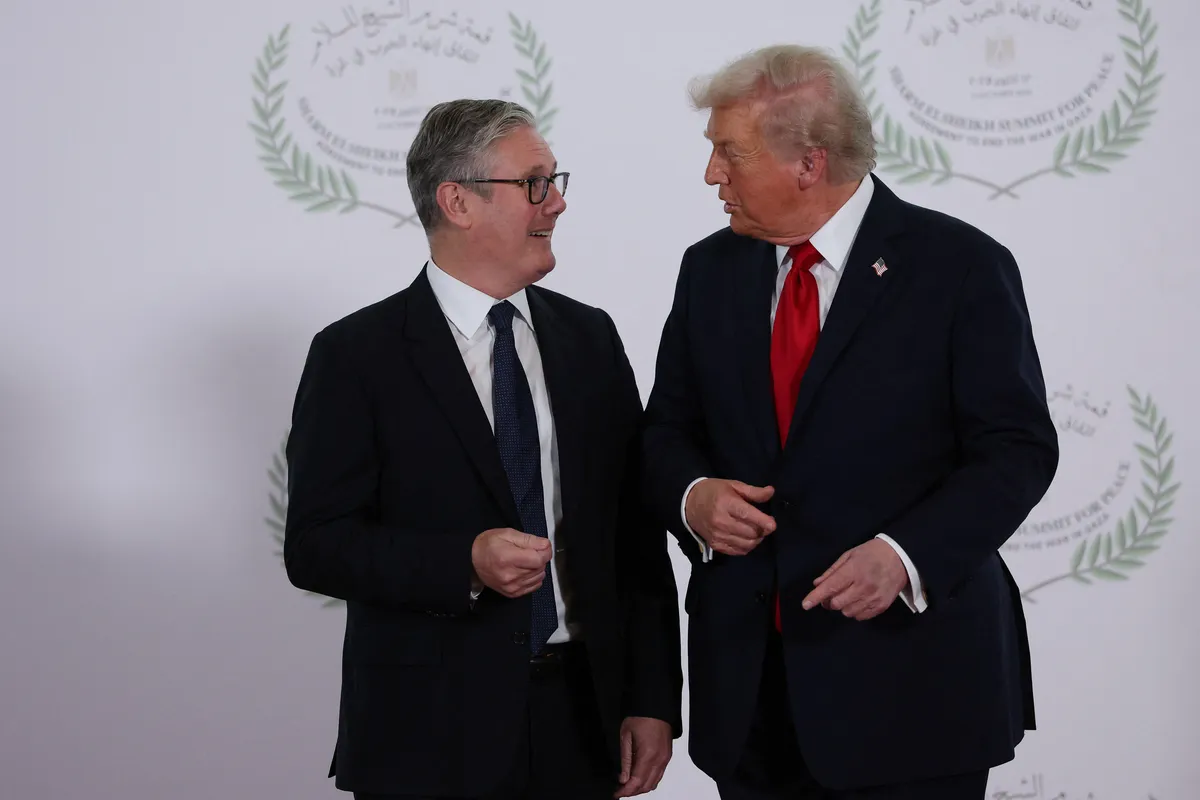
The dispute with Germany follows earlier tensions with French President Emmanuel Macron, British Prime Minister Keir Starmer and Spanish Prime Minister Pedro Sanchez, according to The Independent's reporting. European leaders have raised concerns about both the military campaign against Iran and the manner in which Washington has communicated its decisions to allies.
A broader rift
The deterioration of U.S.-European relations comes at a critical moment for NATO cohesion. European governments have expressed unease over not being consulted ahead of the Iran strikes, a complaint that echoes grievances voiced by allies during earlier episodes in Trump's second term.
Analysts and officials cited in The Independent's report suggest the rift reflects deeper structural tensions between the Trump administration's approach to foreign policy and the expectations of traditional U.S. allies, who have historically expected close coordination on major military and diplomatic decisions.
The Iran campaign has added a new and urgent dimension to those tensions. Several European governments had been engaged in diplomatic efforts to de-escalate tensions with Tehran before the U.S. strikes began, and the abrupt shift to military action left those efforts in question.
What comes next
It remains unclear how the disputes will affect ongoing diplomatic and security cooperation between the United States and its European partners. No European government has announced any formal suspension of cooperation with Washington, but the public nature of the disagreements signals a significant strain in relationships that have historically formed the backbone of Western foreign policy.
The White House has not publicly outlined plans for direct consultations with European leaders to address the growing list of grievances, according to available reporting.