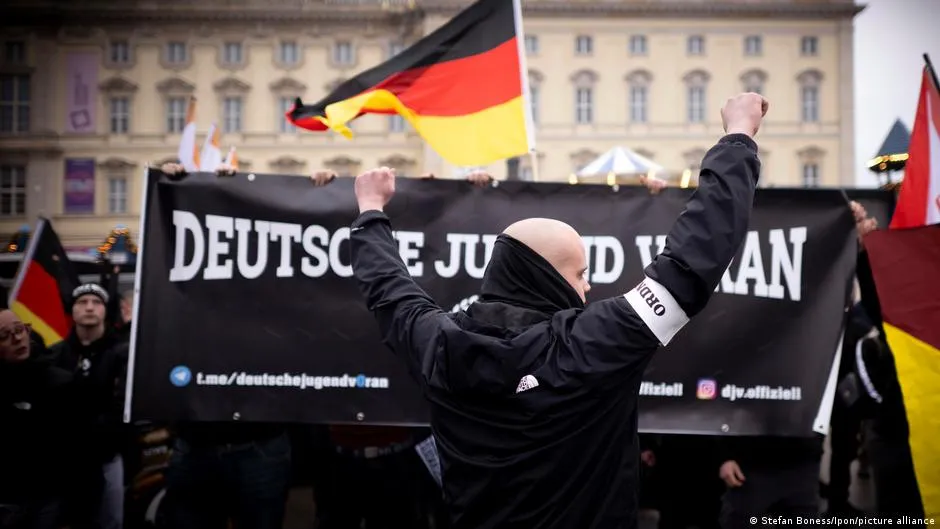
A recent police crackdown on neo-Nazi networks in Germany has shed light on a troubling trend: the far-right extremist scene in Berlin is drawing in increasingly young members, according to reporting by Deutsche Welle.
The raid exposed the youth of many individuals involved in the country's neo-Nazi scene, raising concerns among authorities, educators, and community organizations about radicalization pathways targeting teenagers and young adults.
A growing youth problem
German authorities have long monitored far-right extremist groups, but the demographics revealed by the operation have intensified concerns. Security officials and researchers say online platforms and closed social networks have made it easier for extremist ideologies to reach younger audiences, often before traditional community or school-based interventions can take effect.
Germany's domestic intelligence agency, the Verfassungsschutz, has previously warned that far-right groups are actively recruiting in schools and youth spaces, using coded language and subculture aesthetics to normalize extremist views among teenagers.
Communities push back
Despite the alarming findings, those targeted by far-right hatred are responding with organized resistance. Community groups, anti-racism organizations, and individuals directly affected by neo-Nazi activity in Berlin have been developing local initiatives aimed at countering radicalization and supporting victims of extremist violence and intimidation.
Civil society organizations working in affected neighborhoods say early intervention and education are critical tools in preventing young people from entering extremist circles. Many of these groups operate with limited funding, relying on volunteers and grassroots networks to maintain their work.
Political and institutional response
The revelations have renewed pressure on German lawmakers to strengthen measures against far-right radicalization, particularly in schools and online spaces. Germany has some of Europe's most stringent laws against Holocaust denial and the display of Nazi symbols, but critics argue enforcement has struggled to keep pace with the migration of extremist organizing to digital platforms.
Berlin, as the country's capital and a historically significant site of both Nazi-era crimes and postwar reckoning, has become a focal point in broader national debates about how to address the persistence of far-right ideology across generations.
Deutsche Welle's reporting highlights that while law enforcement raids represent one response to the problem, community-led efforts to counter hate and support vulnerable young people remain a central part of the broader strategy to address extremism at its roots.