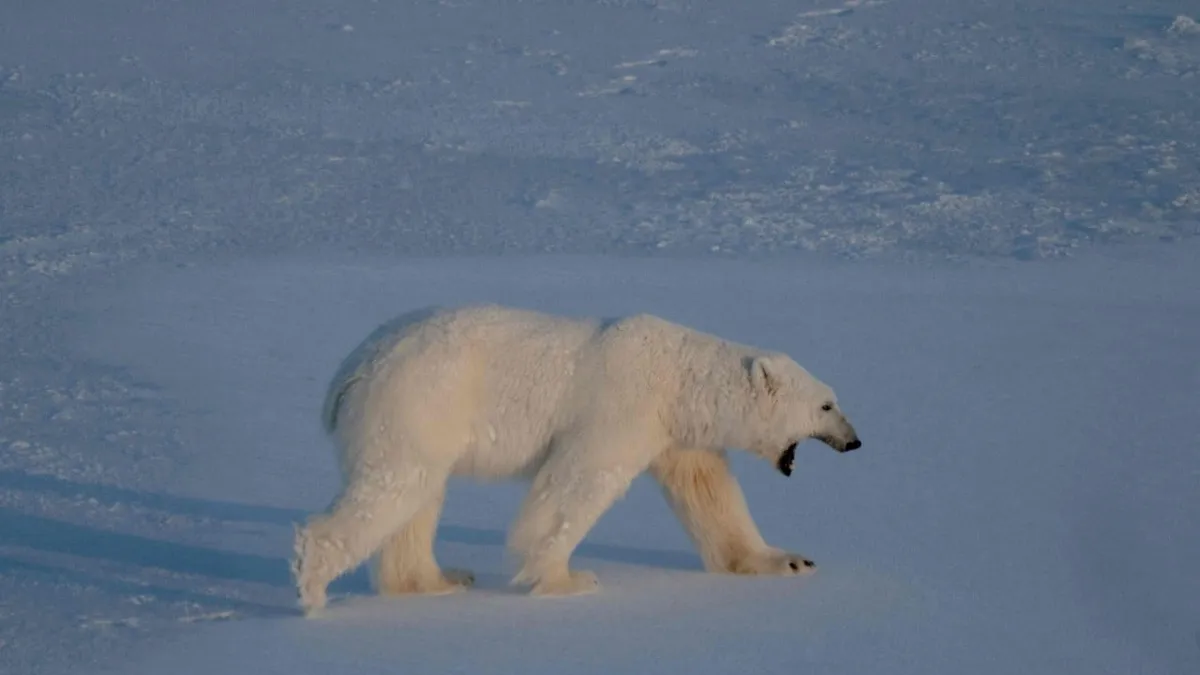
Just when you thought bird flu couldn't get any more audacious, Norwegian authorities have announced that the virus has now shown up in a polar bear - making it the first documented case of its kind in Europe. Because apparently infecting birds, cattle, and the occasional human was not ambitious enough.
According to the Norwegian Veterinary Institute, as reported by the South China Morning Post, the H5N5 strain of highly pathogenic avian influenza was detected in samples taken from a young male polar bear, roughly one year old, and a walrus - both found dead in mid-May on the Svalbard archipelago. If you need a geography refresher, Svalbard sits in the Arctic Ocean, about 1,000 kilometres from the North Pole, which means bird flu has now essentially gone on a polar expedition.
More than just a freak occurrence
Norwegian officials were quick to stress that this is not a random one-off weirdness. The institute described the findings as "part of a trend" in which highly pathogenic avian influenza viruses are spreading to an increasingly broad range of mammals. That trend is the part that scientists have been nervously watching for a while now.
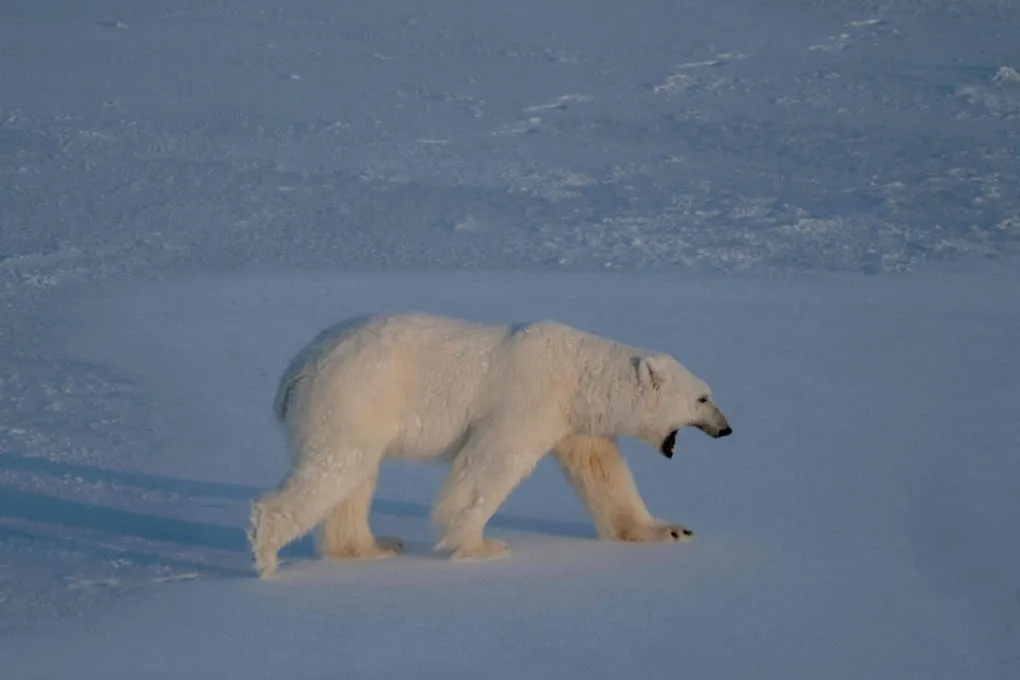
The H5N5 variant is a cousin of the more widely discussed H5N1, which has been wreaking havoc in dairy cattle herds across the United States and has caused sporadic human infections globally. While H5N5 is less documented in mammals, its appearance in an Arctic apex predator suggests the virus is finding new ecological pathways - likely through infected seabirds that polar bears and walruses may scavenge or come into contact with.
Why a polar bear, of all things?
Young polar bears, particularly one-year-olds that have recently become independent from their mothers, are especially vulnerable. They tend to scavenge more opportunistically and have less refined hunting skills, making contact with sick or dead seabirds entirely plausible. Walruses, meanwhile, share crowded haul-out sites with seabirds and are no strangers to picking up whatever is going around.
The bigger picture here is one that wildlife epidemiologists have been flagging for years: bird flu is no longer just a poultry problem. Its jump into marine mammals, big cats, and now Arctic wildlife signals a virus that is actively, relentlessly field-testing itself in new hosts.
For now, Norwegian authorities have not indicated any direct threat to human populations in the region, but the findings are expected to contribute to ongoing surveillance efforts across Europe's northern territories. Consider this yet another reminder that when it comes to influenza, the planet is a much smaller place than we like to think.