Bosnia and Herzegovina has signed an agreement to connect to a pipeline linked to associates of former U.S. President Donald Trump, in a move intended to reduce the country's reliance on Russian natural gas, according to reporting by Al Jazeera.
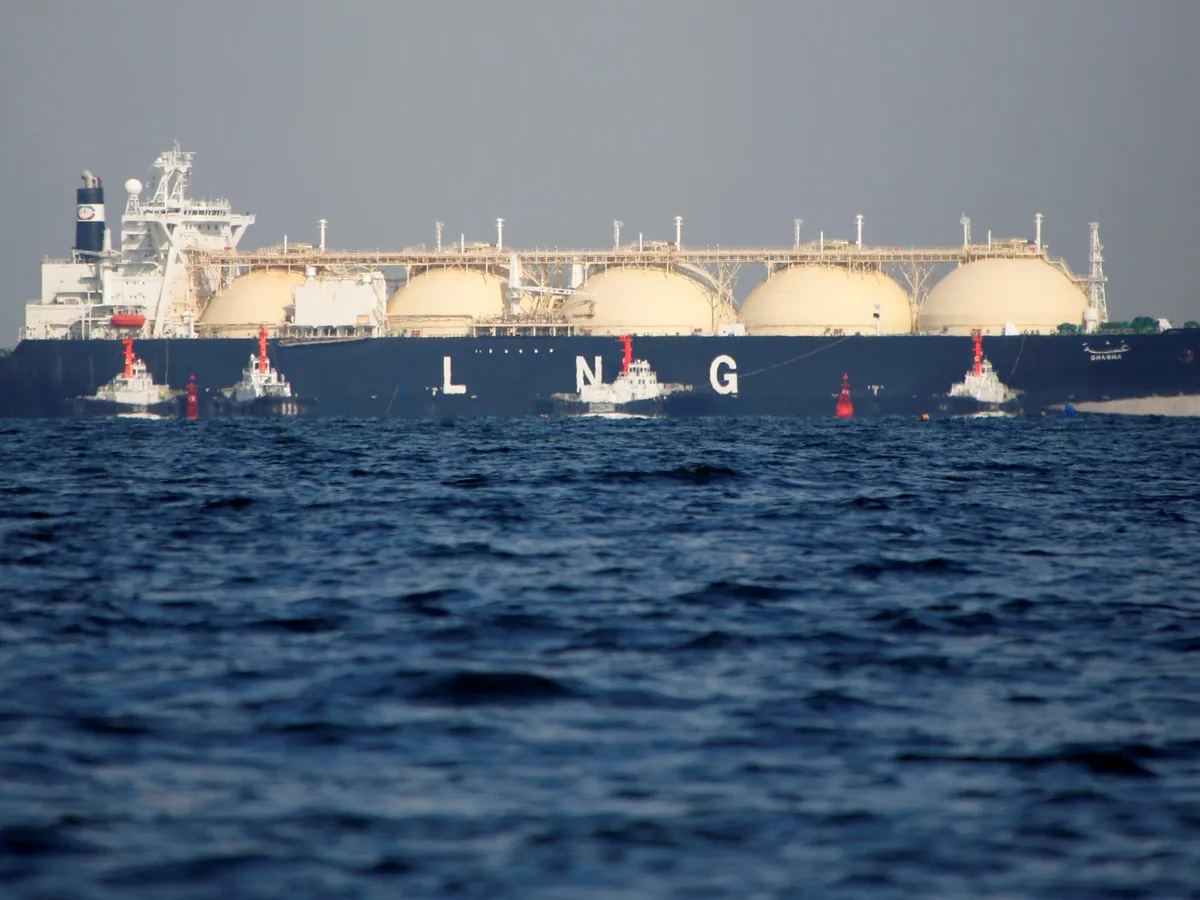
The deal involves a link to Croatia's liquefied natural gas (LNG) terminal on the island of Krk, which has connections to American-backed energy interests. Bosnian officials have framed the agreement as a step toward energy independence from Moscow, whose gas supplies have long dominated the region's energy landscape.
EU raises red flags
The European Union has responded with concern, warning that the pipeline agreement could jeopardise Bosnia's ongoing bid to join the bloc. Brussels has not detailed the precise legal or procedural objections, but the warning signals that the deal may conflict with EU regulations or procurement standards that candidate countries are expected to follow.
Bosnia applied for EU membership and was granted candidate status in December 2022, though its path toward full accession remains contingent on implementing a series of political and economic reforms. The EU's caution over the pipeline deal underscores the tensions that can arise when candidate countries pursue independent bilateral agreements outside the framework preferred by Brussels.
Energy politics in the Western Balkans
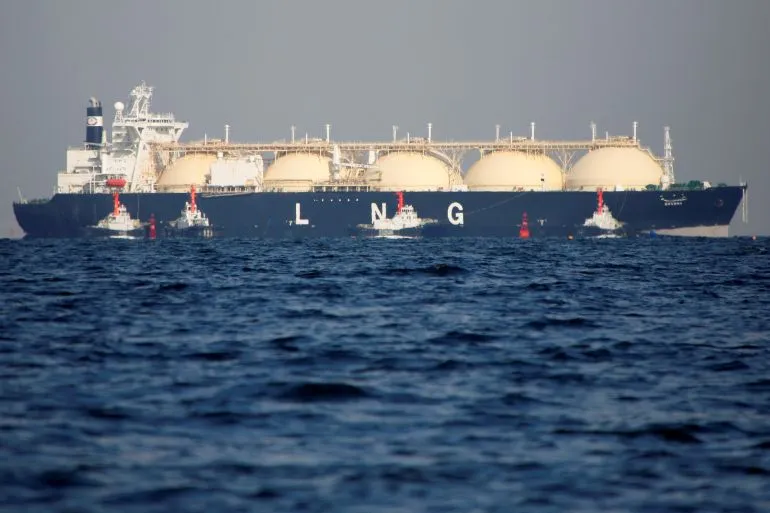
The broader context is one of intensifying competition over energy infrastructure in the Western Balkans. Since Russia's full-scale invasion of Ukraine in February 2022, European governments and institutions have worked to accelerate the replacement of Russian gas supplies with alternatives, including American LNG imports arriving through terminals like the one in Croatia.
However, the involvement of figures associated with Trump-era political networks in the financing or promotion of energy projects has drawn scrutiny in several European countries. Critics argue such arrangements can blur the line between commercial investment and political influence.
Bosnian authorities have not publicly addressed the EU's specific concerns regarding the deal. The agreement's long-term implications for both the country's energy supply and its EU candidacy remain unclear pending further official statements from Sarajevo and Brussels.
The situation reflects a recurring dilemma for Balkan nations seeking to modernise their energy systems while simultaneously navigating the political requirements of EU integration - a process that demands close alignment with bloc-wide standards and preferences.