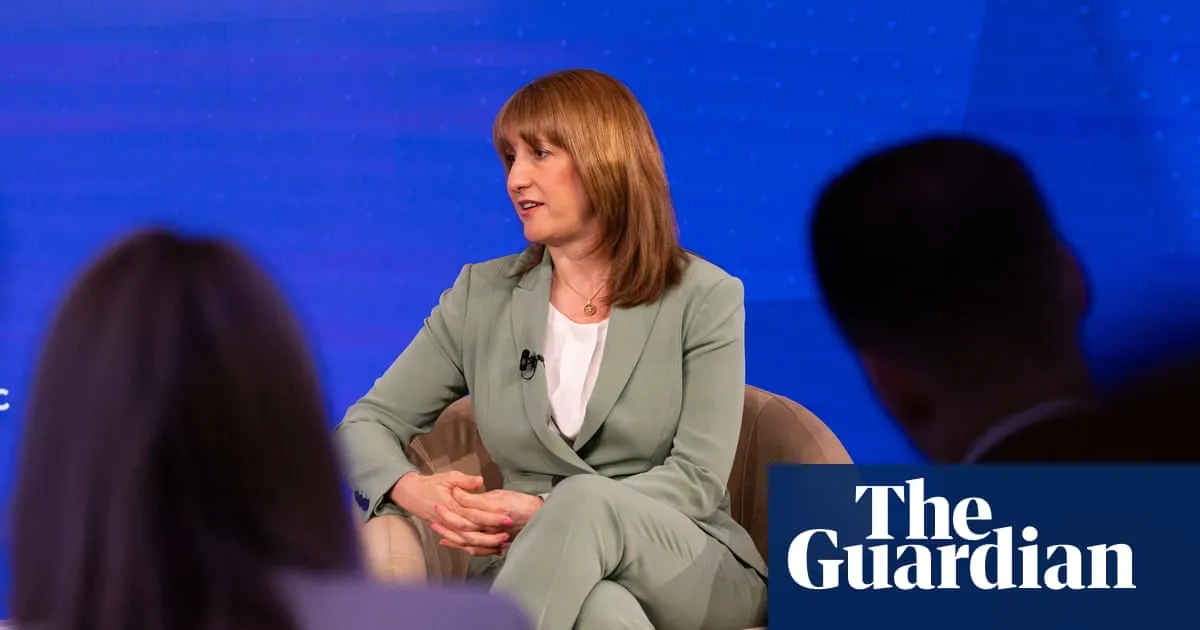
The so-called 'special relationship' between the UK and US just got a little less special. UK Chancellor Rachel Reeves has escalated British criticism of Donald Trump's military conflict with Iran, flat-out calling it a 'mistake' - and she said it to an American audience, which takes a certain kind of nerve.
What did she actually say?
According to the Guardian, Reeves told her US audience that she is 'not convinced that this conflict has made the world a safer place' - which, in the famously understated language of British politics, roughly translates to 'what on earth are you doing?'
The chancellor went further, arguing that Trump's decision to abandon diplomatic talks with Iran and pursue military action instead has destabilised the global economy and damaged living standards for ordinary people worldwide. That's a pretty direct line from bombs to grocery bills, and Reeves is apparently not shy about drawing it.
Why does this matter?
UK-US relations have historically operated on a kind of diplomatic golden rule: thou shalt not publicly embarrass thine most important ally. The fact that a sitting UK chancellor is now using words like 'mistake' in front of American audiences signals that the transatlantic relationship is fraying in ways that go beyond the usual behind-closed-doors grumbling.
The timing is significant too. With global markets already jittery and cost-of-living pressures still biting across Europe, Reeves is making a political calculation that the economic fallout from the Iran conflict is damaging enough to be worth the diplomatic awkwardness.
The bigger picture
This is not just a spat between two politicians with different vibes. Britain, like much of Europe, had been pushing for continued diplomatic engagement with Iran before the US shifted to a military footing. The UK's frustration appears to be rooted in the fact that it was cut out of a decision that now has very real consequences for the global economy it is trying to manage at home.
Whether Reeves calling out the war as a 'mistake' actually changes anything on the ground is another matter entirely. But it does mark a notable moment - the UK no longer willing to politely nod along while the economic turbulence mounts.
Expect more awkward transatlantic phone calls ahead.
Source: The Guardian