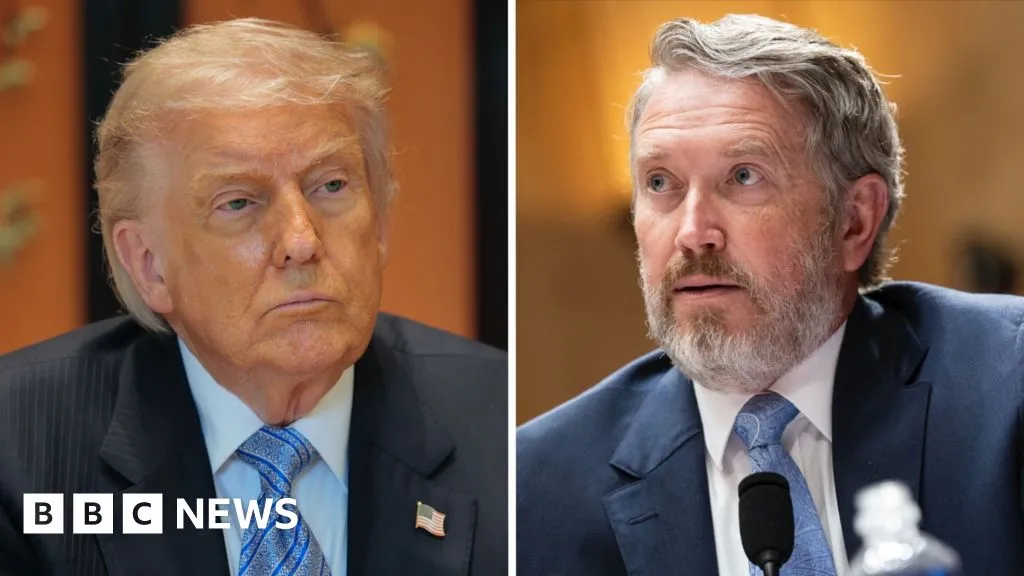
If you needed any more proof that Donald Trump has turned the Republican Party into something resembling a personal loyalty oath club, look no further than Kentucky, where congressman Thomas Massie - one of the GOP's most stubborn independent voices - just got politically yeeted into oblivion.
Massie, who had built a reputation as a libertarian-leaning thorn in the side of party leadership, was defeated in his primary after Trump threw his full weight behind the effort to oust him, according to reporting by the BBC. The message from Mar-a-Lago to every Republican with a spine was clear: fall in line, or find a new career.

The iron fist in action
Trump's ability to topple a sitting congressman in his own party's primary is genuinely remarkable by historical standards. Primary challenges against incumbents usually fail - voters tend to go with the name they know. The fact that Trump's endorsement of a challenger was enough to flip that calculus speaks to the almost cult-like grip he has developed over the Republican base.
Political analysts have long noted that Republicans who cross Trump face an uphill battle at home, and Massie's defeat is the latest data point confirming that pattern. The BBC's reporting frames the victory as a demonstration of Trump's extraordinary strength within the party apparatus.

But here comes the "but"
Here is where it gets spicy for the president's long-term strategy. Purging independent voices from the GOP might feel satisfying in the short term, but it carries some genuinely serious risks heading into the midterms.
A party packed exclusively with loyalists tends to lack the kind of internal debate that catches bad policy ideas before they become embarrassing headlines. It also creates a brittle coalition - one that can fracture spectacularly if the leader's approval dips or a major policy blunder lands. The BBC's analysis flags these midterm risks explicitly, noting that consolidating power within the party and winning general elections are two very different challenges.

Independent and suburban voters - the people who actually decide swing districts - have historically been less enchanted with displays of raw political dominance than the base that cheers them on.
Bottom line
Trump has essentially completed a hostile takeover of the Republican Party that began in 2016, and Massie's defeat is the latest receipt. Whether that total dominance translates into midterm success or spectacular self-sabotage remains the central question of American politics right now. History, as it tends to do, is watching with popcorn.