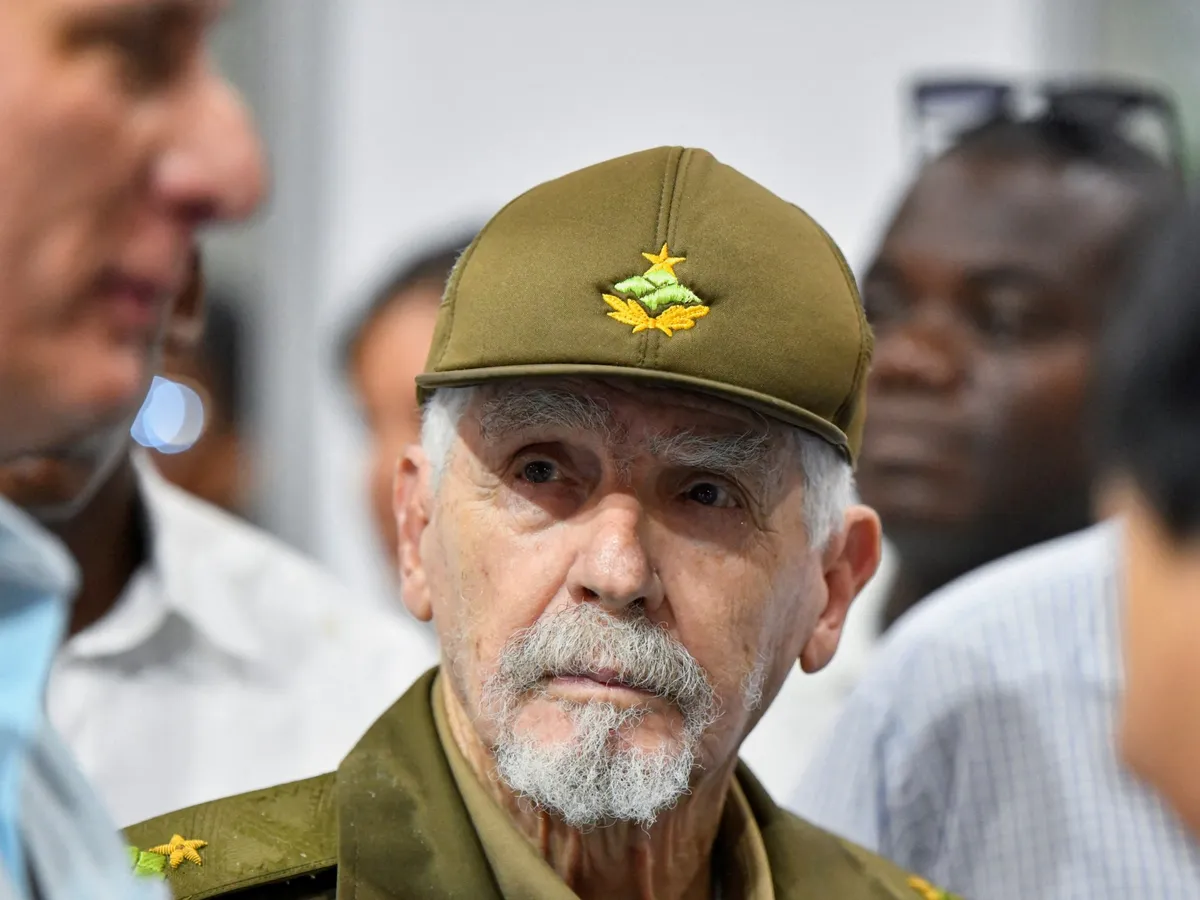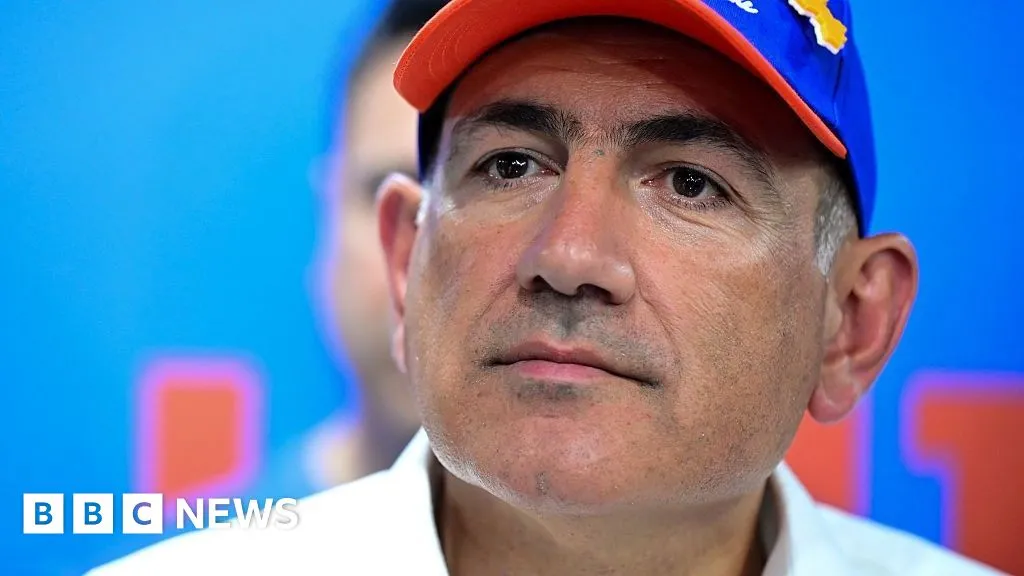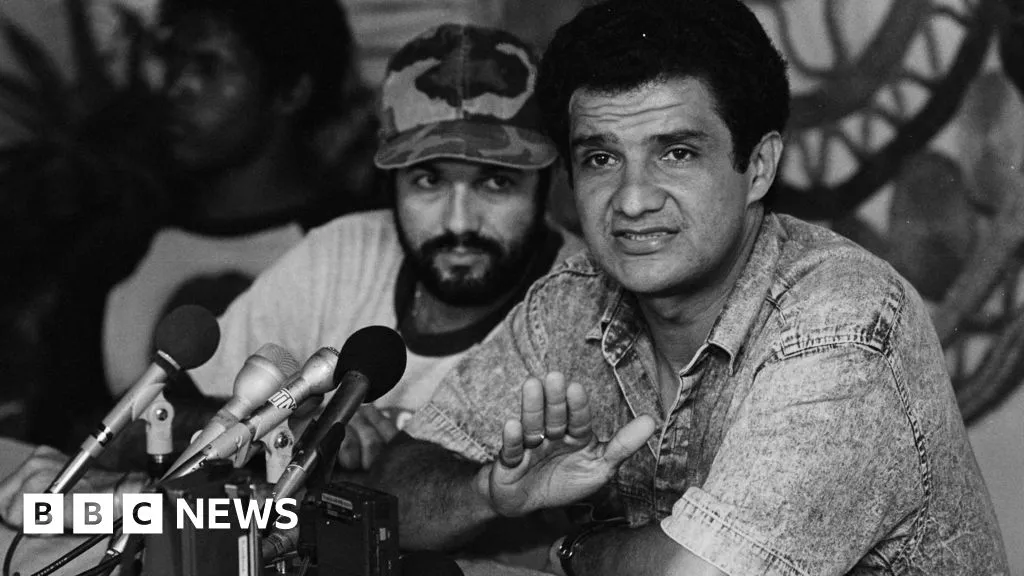
Brooklyn Rivera, one of Nicaragua's most prominent indigenous rights leaders, has died at the age of 73 after spending roughly three years in detention under the government of President Daniel Ortega - a detention that human rights organizations had long condemned as arbitrary and politically motivated, according to reporting by the BBC.
Who was Brooklyn Rivera?
Rivera was no minor figure. He was a historic leader of the Miskito indigenous people and had spent decades fighting for the rights and autonomy of Nicaragua's indigenous communities along the Caribbean coast. The man literally has a career spanning back to the era of the Contra wars in the 1980s - yes, that long. He was, by most accounts, a living piece of Central American history.
That history, apparently, did not earn him much goodwill from the Ortega administration.
Three years behind bars
Rivera had been held in prison since his arrest, with rights groups consistently blasting the detention as having no legitimate legal basis. Organizations monitoring the situation condemned what they described as the deliberate and cruel imprisonment of an elderly man whose only real crime, in their view, was being an inconvenient symbol of indigenous resistance to the government's consolidation of power.
The Ortega government has made a habit - critics would say an art form - of locking up political opponents, journalists, clergy, and civil society figures in recent years. Rivera's case fit a painfully familiar pattern.
International condemnation
Human rights groups reacted to the news of Rivera's death with sharp condemnation, holding the Nicaraguan state directly responsible for his condition and ultimate death in custody. The BBC reports that rights organizations view his passing as the direct consequence of his prolonged arbitrary detention.
Nicaragua's government, for its part, has not exactly been known for being receptive to international criticism - the country has expelled foreign diplomats, dissolved NGOs, and stripped citizenship from hundreds of dissidents in recent years.
A symbol gone, a struggle very much still here
Rivera's death lands especially hard because indigenous communities in Nicaragua's Caribbean region have faced escalating pressure from land encroachment, illegal settlers, and what activists describe as a systematic dismantling of the autonomy frameworks those communities fought for in the 1980s and 1990s.
Brooklyn Rivera spent his life trying to carve out space for his people within a state that often seemed indifferent or hostile. He died inside that state's prison walls.
The BBC's full report on Rivera's death is available at their website, and it makes for grim but important reading.