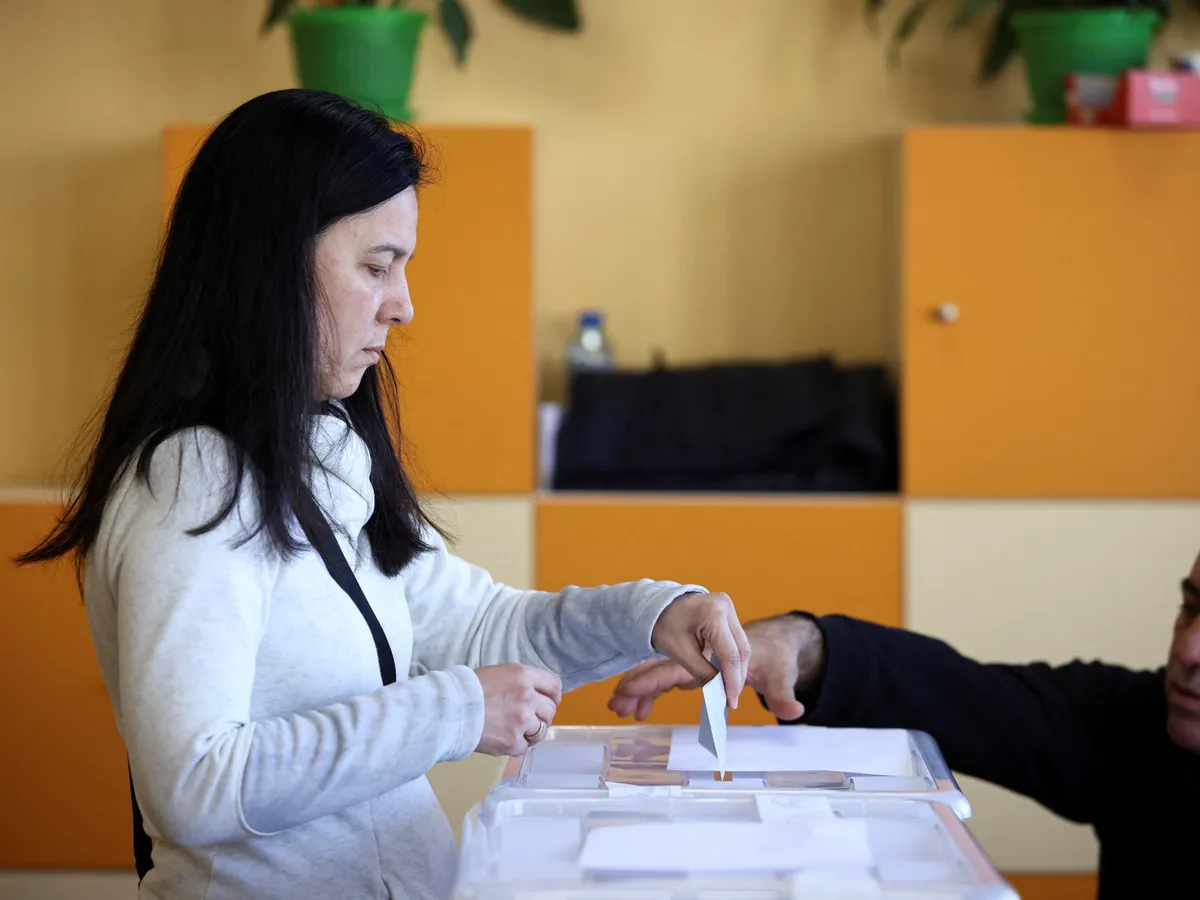
If politics were a video game, Bulgaria would be stuck in an infinite respawn loop. According to Al Jazeera, the southeastern European nation is heading to the polls once again - for the eighth time in just five years - to elect a new parliament after its previous government was brought down by mass street protests in December.
What happened this time?
Bulgaria's political landscape has been about as stable as a house of cards in a wind tunnel. The country has cycled through governments at a pace that would make even the most drama-addicted reality TV producer blush. The most recent collapse came after Bulgarians - fed up enough to physically take to the streets - protested the ruling coalition out of existence late last year.
The protest movement, which gained significant momentum in December, effectively ended the lifespan of yet another Bulgarian government before it could really get comfortable in office. Now, voters are being called back to do the whole thing over again.
Why does this keep happening?
Bulgaria has been mired in political deadlock for years, with no single party managing to build a stable coalition long enough to actually govern in any meaningful way. The country - an EU member state since 2007 - has struggled with corruption concerns, economic grievances, and a deeply fragmented political scene that makes forming a lasting majority feel roughly as achievable as solving world hunger over a long weekend.
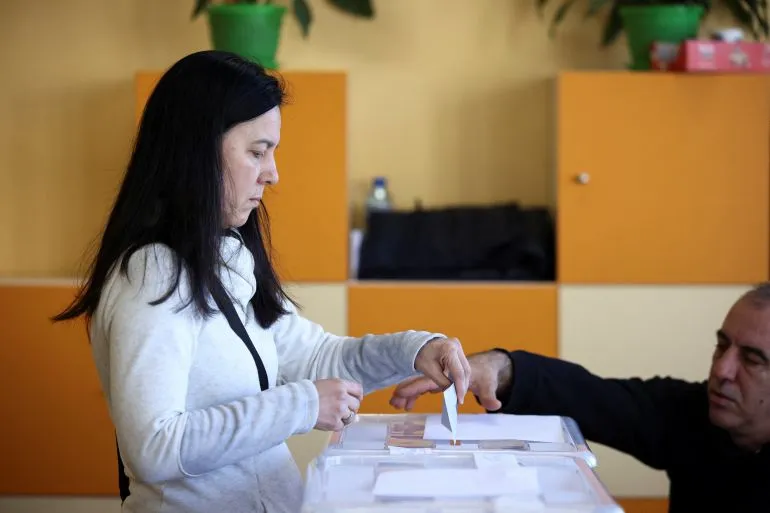
Each election produces results just different enough from the last to prevent anyone from taking clear control, but not different enough to actually break the cycle. It is the political equivalent of Groundhog Day, except nobody is learning their lesson, and Bill Murray is nowhere to be seen.
What's at stake?
Beyond the obvious exhaustion of Bulgarian voters - who at this point could probably staff a polling station in their sleep - there are real consequences at play. Political instability has hampered Bulgaria's ability to tackle pressing issues including judicial reform, energy policy, and its long-stalled bid to join the eurozone. EU partners have been watching with increasing impatience as one of the bloc's poorest members keeps hitting the reset button instead of moving forward.
Whether this eighth round at the ballot box will finally produce a stable governing majority remains, to put it generously, an open question. Bulgarian voters, apparently possessing a level of democratic stamina the rest of the world can only admire, are showing up anyway.
At this point, Bulgaria might want to consider making election day a national sport. At least then someone would win something.