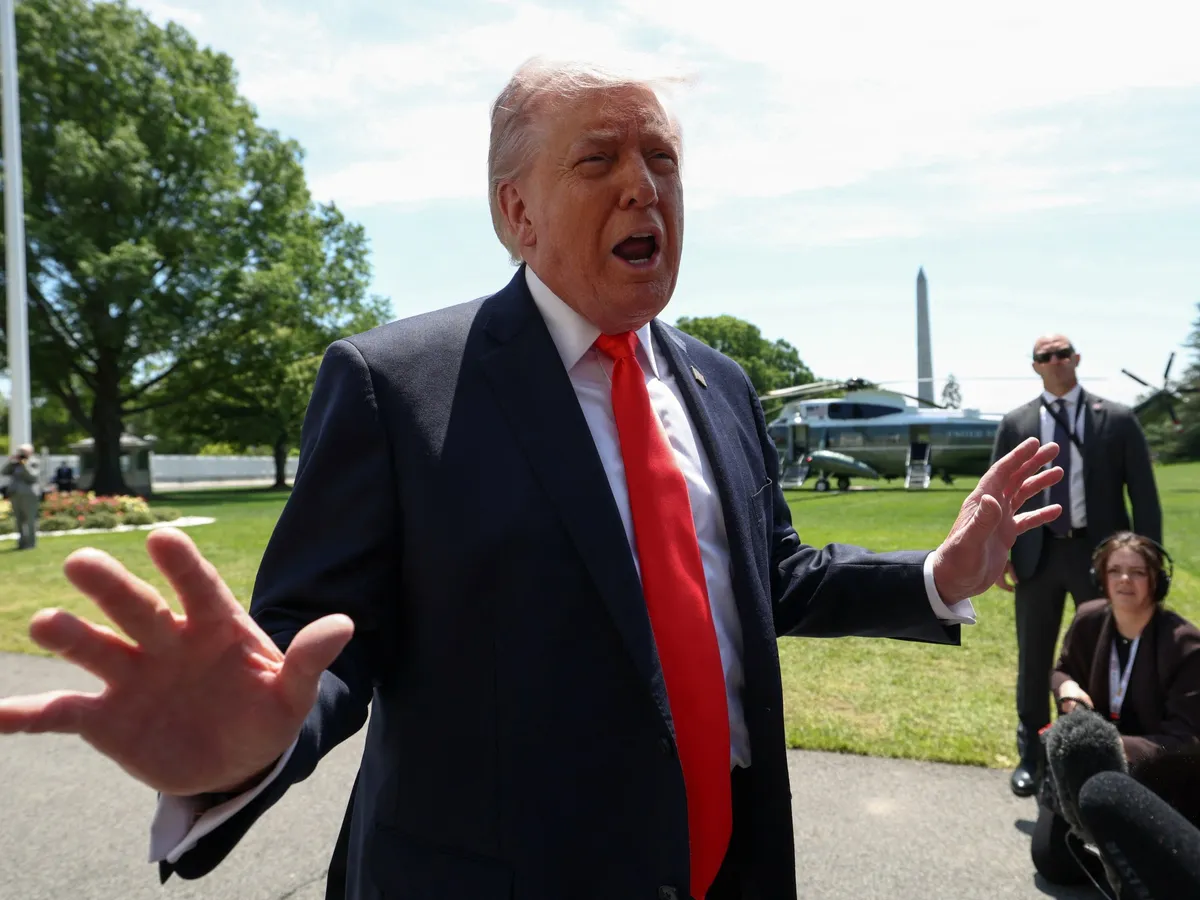
In what is almost certainly a first in the long and storied history of American naval doctrine, President Donald Trump has described the United States Navy as acting "like pirates" while enforcing its ongoing blockade of the Strait of Hormuz - and he seemed pretty pleased about it.
According to reporting by Al Jazeera, Trump made the remarks in reference to the naval blockade currently choking one of the world's most critical oil shipping lanes, calling the operation "a very profitable business." Whether Blackbeard would have approved of the comparison remains historically unclear.
Arrr, this is geopolitics now
The Strait of Hormuz is not exactly a low-stakes stretch of water. Roughly 20% of the world's traded oil passes through it, making it one of the most strategically vital chokepoints on the planet. A blockade there doesn't just inconvenience Iran - it sends tremors through global energy markets and puts serious pressure on every country that depends on Persian Gulf oil exports, which is, well, a lot of them.
The US Navy has been enforcing the blockade as part of the broader pressure campaign against Tehran, and by Trump's own framing, the operation has been generating revenue - though the specifics of what exactly makes it "profitable" were not elaborated upon in his remarks.
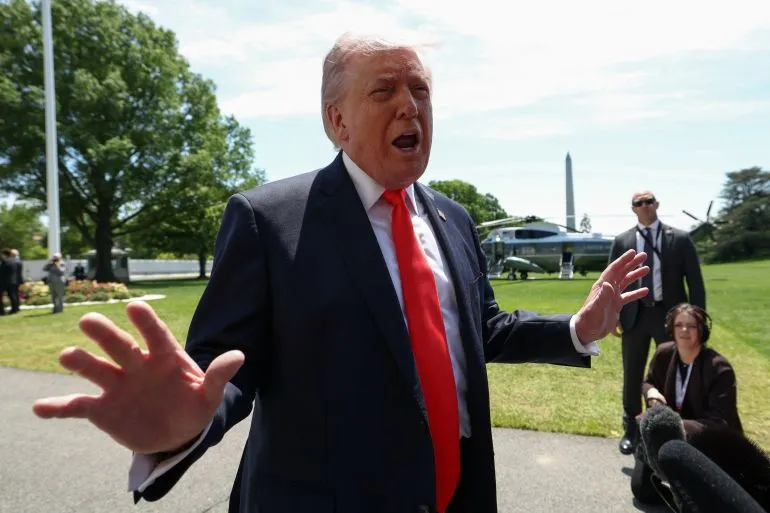
The quote that launched a thousand nautical memes
Trump's pirate framing is eyebrow-raising even by his own rhetorical standards. Describing your own armed forces as pirates - even affectionately - carries some fairly loaded historical and legal baggage. Piracy, traditionally defined, is considered a crime under international law. The US Navy would presumably prefer terms like "maritime interdiction operations" or "strategic deterrence." But here we are.
It is worth noting that Trump has a long track record of using unconventional business metaphors when describing military or foreign policy operations. "Profitable" is doing a lot of heavy lifting in a sentence about a naval blockade of a sovereign nation.
What this means for the region
The blockade has already been sending shockwaves through global energy markets, with oil prices reacting nervously to any escalation in the region. Iran, for its part, has not been quietly accepting the situation, and tensions in the Gulf remain extremely elevated.
Whether framing the US Navy as profit-seeking swashbucklers helps or hurts diplomatic efforts is, at this point, probably a question for historians rather than diplomats.
Source: Al Jazeera