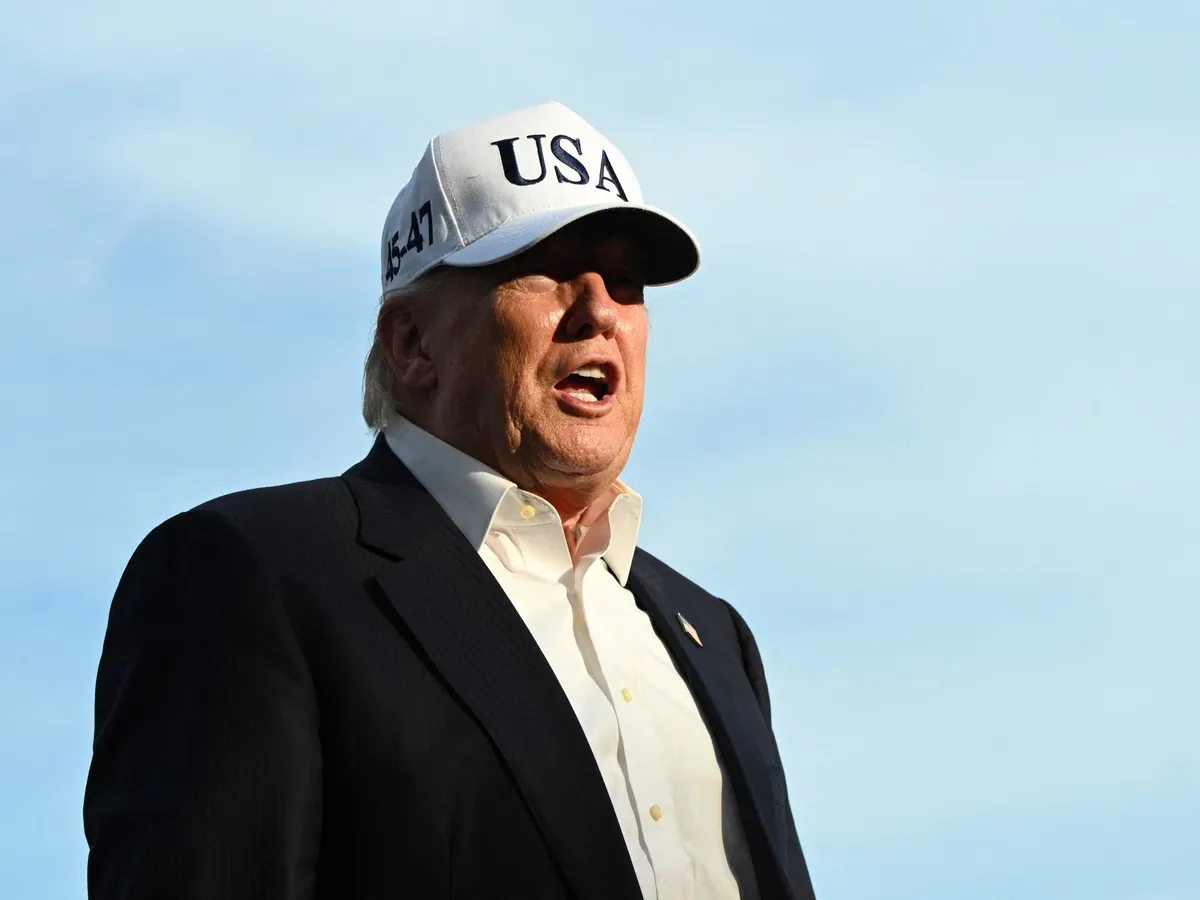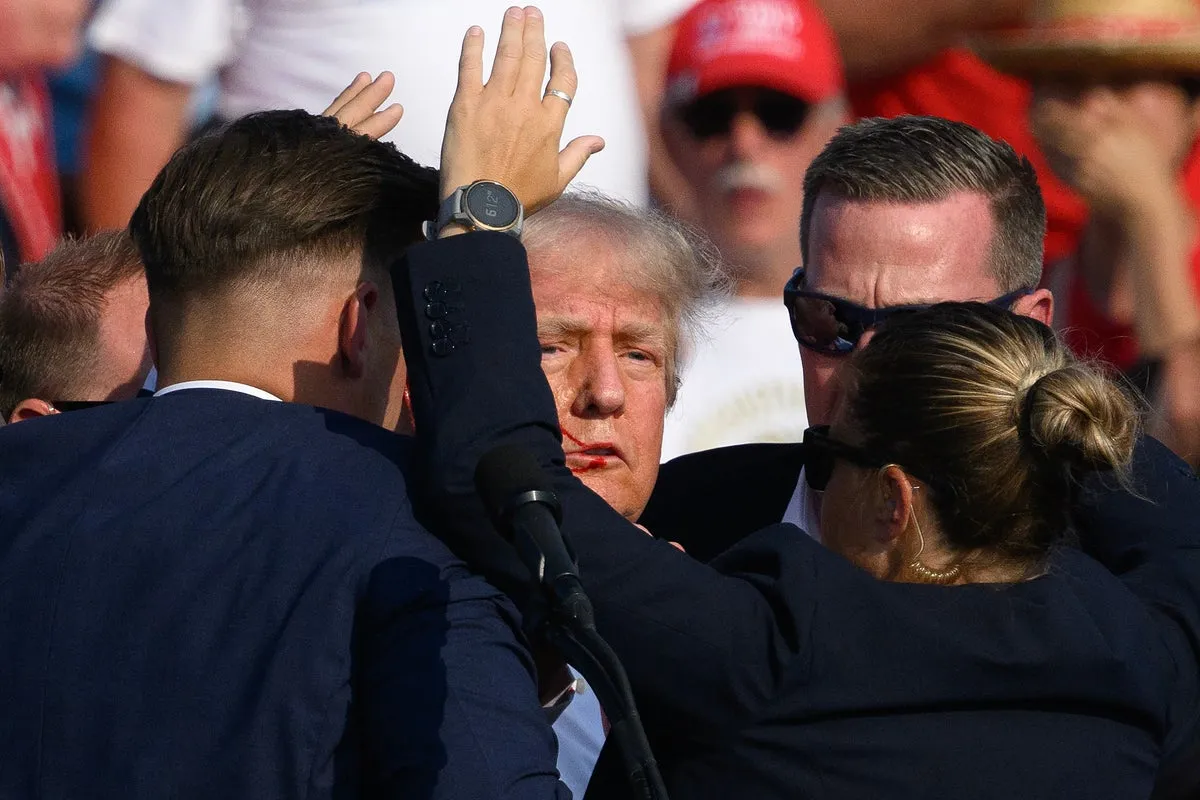
Two men who were shot during the July 2024 assassination attempt on Donald Trump at his Butler, Pennsylvania campaign rally are now taking the federal government to court, arguing that Secret Service negligence made the whole catastrophic event basically inevitable. According to reporting by The Independent, the duo is seeking at least $150,000 each from the US government.
What exactly are they claiming?
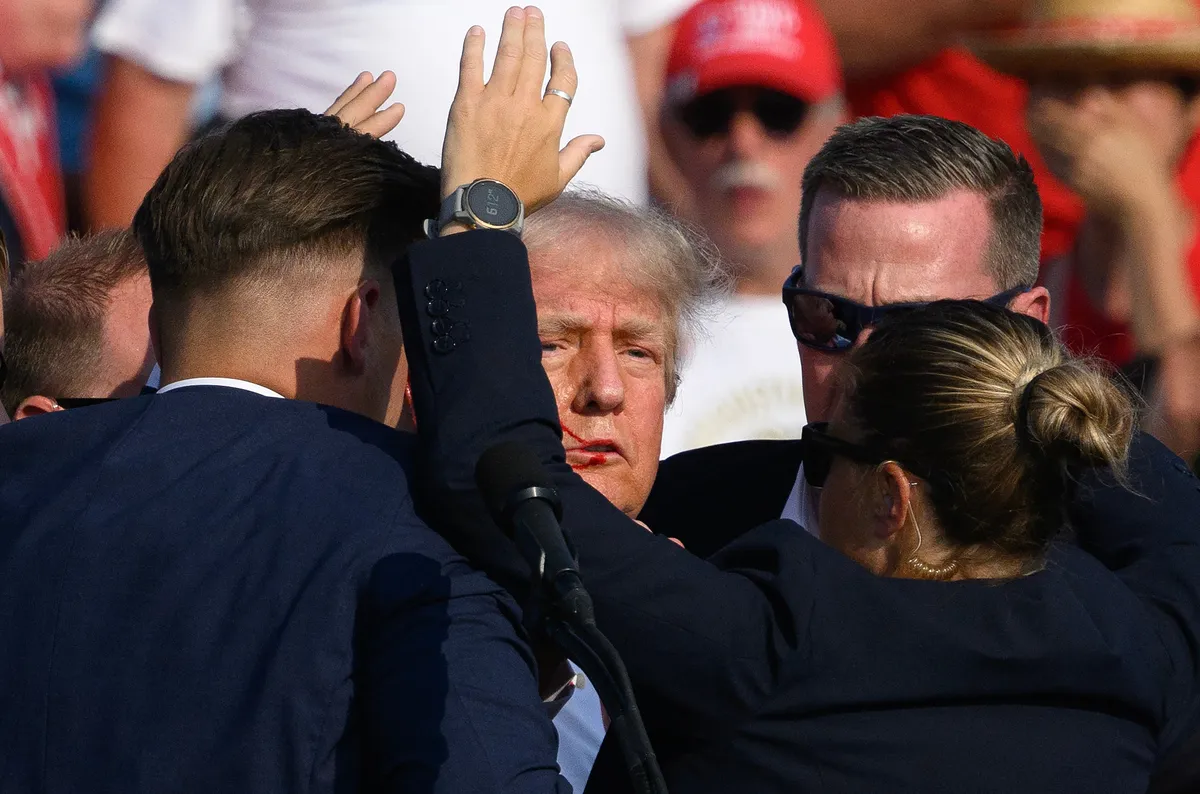
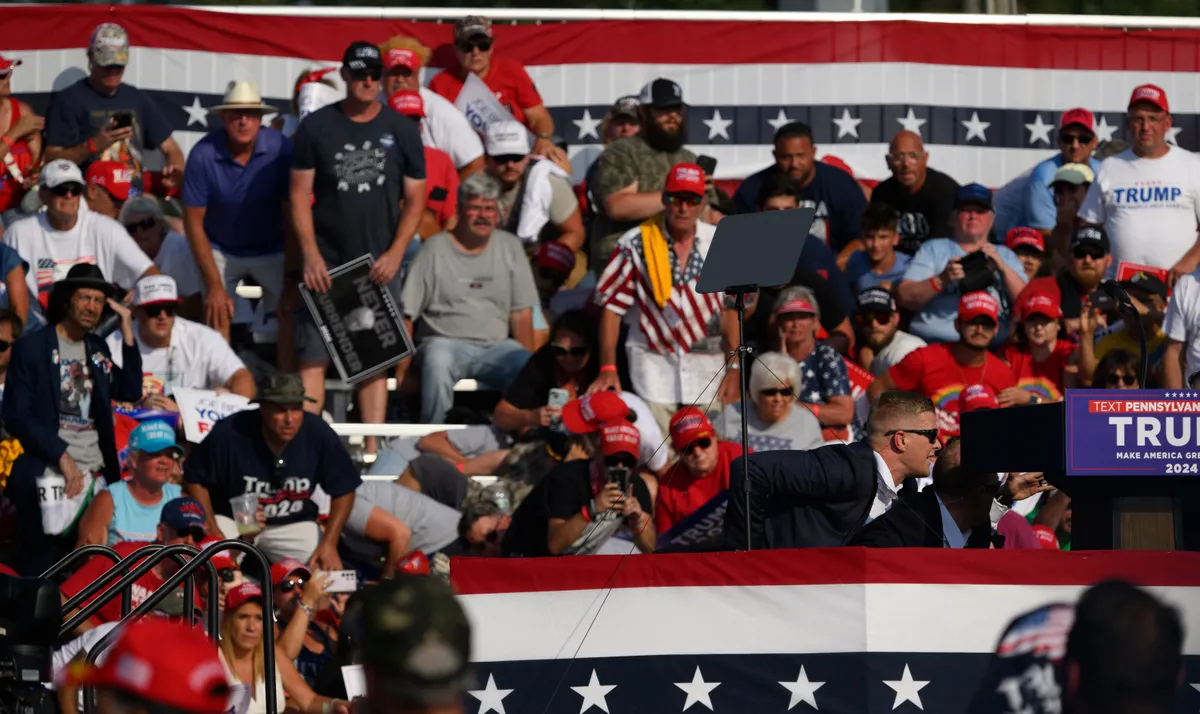
The lawsuit centers on allegations that the Secret Service failed spectacularly at its one job - keeping people safe. The plaintiffs argue that security breakdowns before and during the Butler rally allowed gunman Thomas Matthew Crooks to position himself on a rooftop with a clear line of sight to the stage, ultimately wounding the then-candidate Trump and killing one attendee, while injuring several others including the two men now filing suit.
This is not exactly a fringe theory. Congressional investigations and after-action reviews following the July 13, 2024 shooting had already identified serious lapses in how the perimeter was secured that day, including the now-infamous rooftop that local law enforcement flagged as a vulnerability before shots were fired.
The legal mountain they have to climb
Suing the federal government is notoriously difficult. Claims against agencies like the Secret Service typically fall under the Federal Tort Claims Act, which allows lawsuits for negligence by federal employees but includes a long list of exceptions that the government's lawyers love to exploit. Expect the Justice Department to lean heavily on the "discretionary function" exception, which shields government decisions involving judgment calls - like, say, how to arrange security at a rally.
In other words: the plaintiffs have a real argument, but they are walking into a legal buzzsaw.
The bigger picture
The Butler shooting remains one of the most scrutinized security failures in recent American political history. Former Secret Service Director Kimberly Cheatle resigned in the immediate aftermath under intense bipartisan pressure. Multiple investigations followed, each painting a picture of an agency stretched thin, poorly coordinated with local law enforcement, and caught off guard despite receiving warnings.
For the two men now in court, this is less about politics and more about accountability - and medical bills. Being caught in the crossfire of an assassination attempt tends to leave a mark, financially and otherwise.
The federal government has not publicly commented on this specific lawsuit. Given the precedent-setting nature of the case, legal observers will be watching closely to see whether the courts are willing to hold a federal security agency financially responsible for one of its most publicly documented failures.