With a high-stakes Xi-Trump summit looming in mid-May, Washington is apparently pulling out every lever in its geopolitical toolbox - semiconductors, oil sanctions, Iran ties - in what analysts describe as a classic pre-negotiation muscle-flex. The only problem? Beijing seems spectacularly unbothered.
The pressure campaign
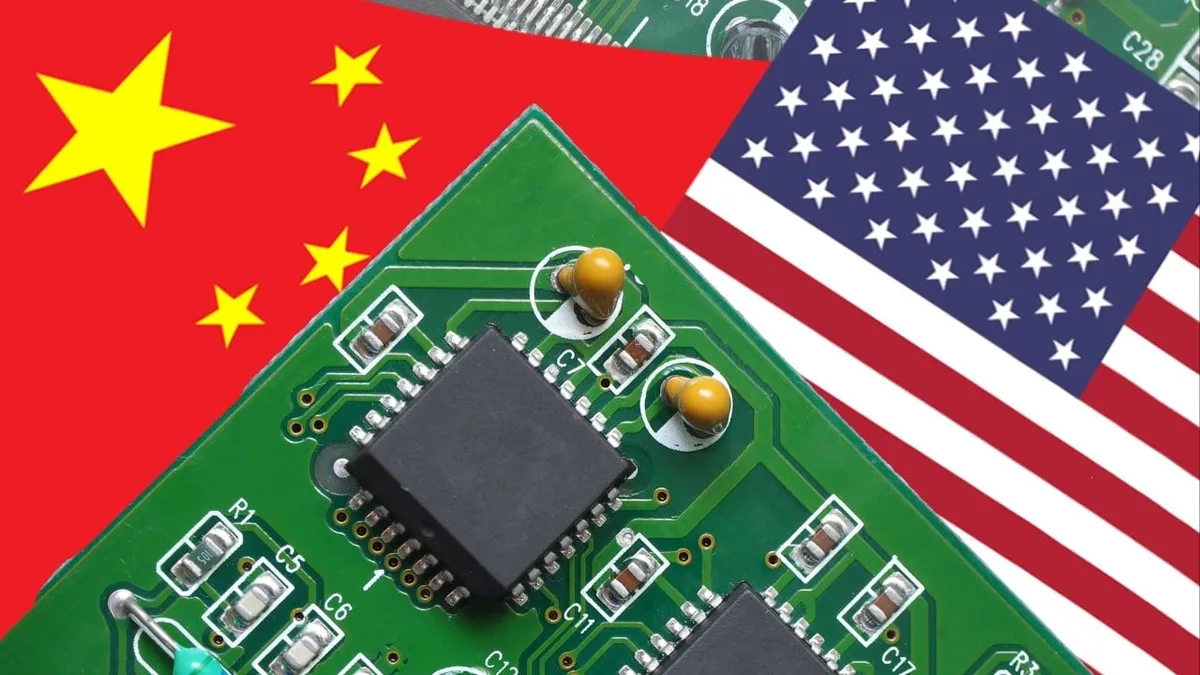
According to the South China Morning Post, US lawmakers on the House Foreign Affairs Committee have been busy little bees this month, advancing no fewer than 20 new export control measures targeting China. The moves span several strategic fronts: chip technology restrictions, pressure over Chinese entities linked to Iranian oil trade, and broader economic guardrails designed to box Beijing in before the two leaders sit down for what will inevitably be described as "candid and constructive" talks.
The theory, as analysts explain it, is straightforward enough - stack up enough pressure points and you walk into the room with more chips at the negotiating table. Pun absolutely intended.
China's reaction: a collective "okay, and?"
Here is where the strategy hits a rather awkward snag. Analysts cited by the South China Morning Post caution that Beijing is unlikely to be rattled, and for a pretty simple reason: China has spent the last several years quietly weaning itself off American markets after previous rounds of sanctions and export controls. It is like trying to intimidate someone by threatening to take away something they already put down.
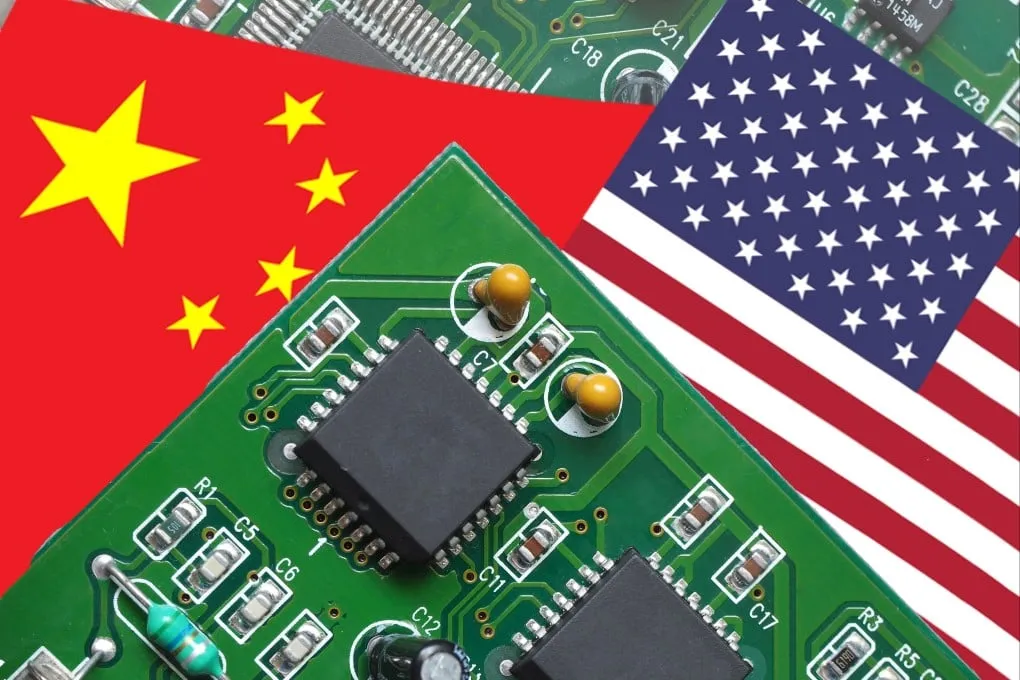
China has been diversifying supply chains, building domestic semiconductor capacity, and securing alternative trade relationships with enough enthusiasm that Washington's latest salvo may land with all the strategic weight of a strongly worded letter.
So what is the point, exactly?
Diplomatic posturing ahead of major summits is, of course, nothing new - every administration does it. The logic is that even if the measures do not cause immediate panic in Beijing, they create negotiating currency and signal to domestic audiences that the president is playing hardball.
Whether Trump can convert that pressure into actual concessions when he finally faces Xi across the table remains the genuinely interesting question. China has shown considerable patience in waiting out US pressure cycles before, and with 20 new export controls to absorb, it has had plenty of practice.
The mid-May meeting is shaping up to be one of the most closely watched diplomatic encounters of the year - assuming, of course, that a new tariff tweet does not blow the whole thing up first.