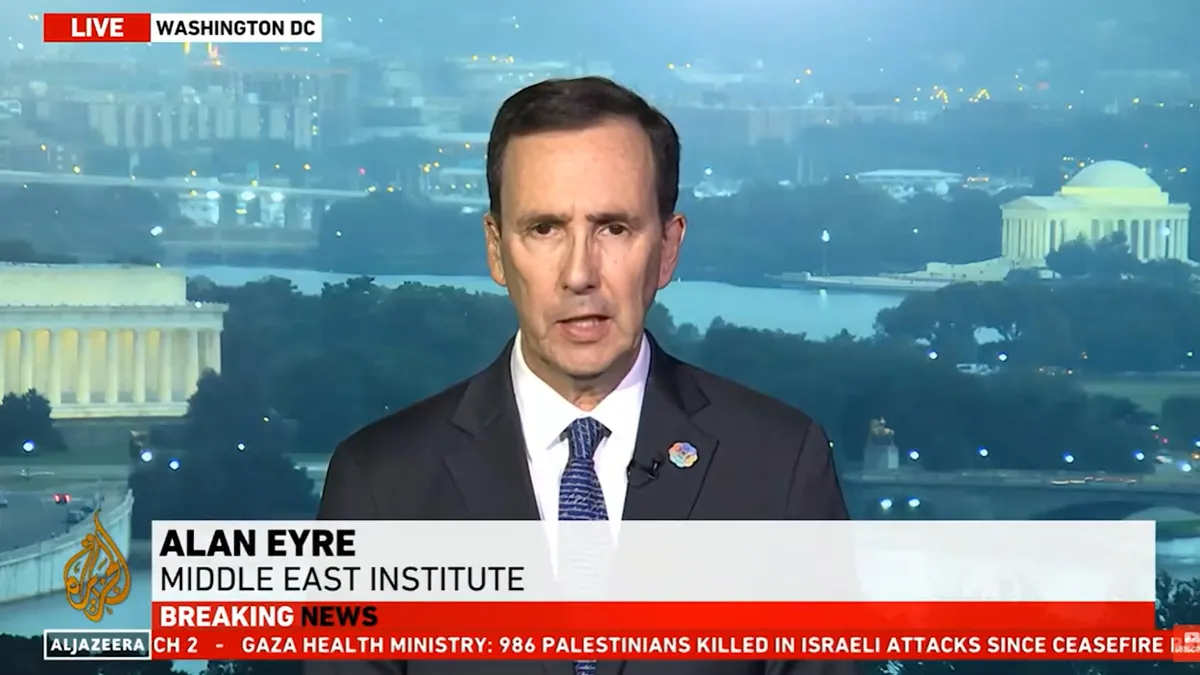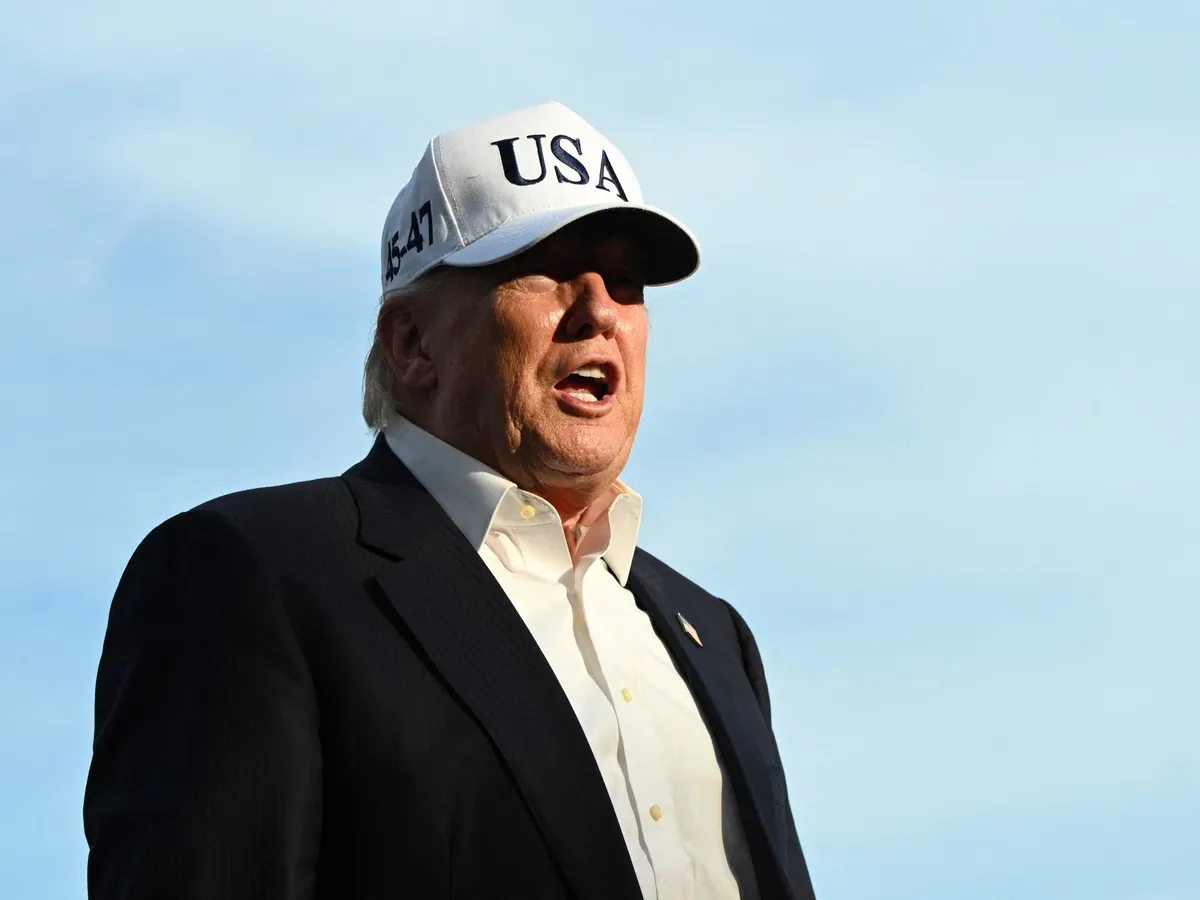
In what is rapidly becoming a recurring segment on the world stage, US President Donald Trump has issued a stark threat to Iran, warning that there "won't be anything left" if a nuclear deal is not reached - as negotiations between the two countries appear to have stalled dramatically, according to Al Jazeera.
To be clear, Trump is not asking for something small here. The US demands reportedly include Iran dismantling both its nuclear programme AND its ballistic missile stockpiles. That is essentially asking Iran to voluntarily disarm two of its biggest strategic deterrents simultaneously - which, diplomatically speaking, is a bit like walking into a used car dealership and asking them to give you the car, the keys, and also the building.
What we actually know
According to Al Jazeera's reporting, Trump has been piling pressure on Tehran to accept sweeping concessions as the two sides find themselves stuck in a familiar impasse. The threats come amid a broader diplomatic push that has seen multiple rounds of talks without a breakthrough.
Iran, for its part, has historically drawn a firm red line around its missile capabilities, viewing them as a non-negotiable element of its national defence posture - particularly given the neighbourhood it finds itself in. Asking Tehran to give those up alongside its nuclear ambitions is the kind of ask that tends to blow up negotiations rather than advance them.
The art of the... ultimatum
Trump's hardline rhetoric follows a pattern familiar from his first term, when the US withdrew from the 2015 Joint Comprehensive Plan of Action (JCPOA) and reimposed sweeping sanctions on Iran. The approach is sometimes referred to as "maximum pressure" - a strategy that has produced maximum pressure and, so far, a less-than-maximum number of signed agreements.
The big question now is whether this threat is a negotiating tactic designed to soften Iran's position before a final deal, or whether talks are genuinely on the verge of collapse. Analysts and diplomats have been asking that question for years, and the answer keeps changing depending on the week.
Why this matters
A nuclear-armed Iran is one of the most consequential scenarios in global security, and the window for diplomatic solutions does not stay open indefinitely. With talks stalled and rhetoric escalating, the gap between a deal and a very bad outcome appears to be narrowing - which is, you know, not great.
Whether Trump's warning moves Iran toward the table or pushes things further off the rails remains to be seen. History suggests: probably both, at the same time, confusingly.