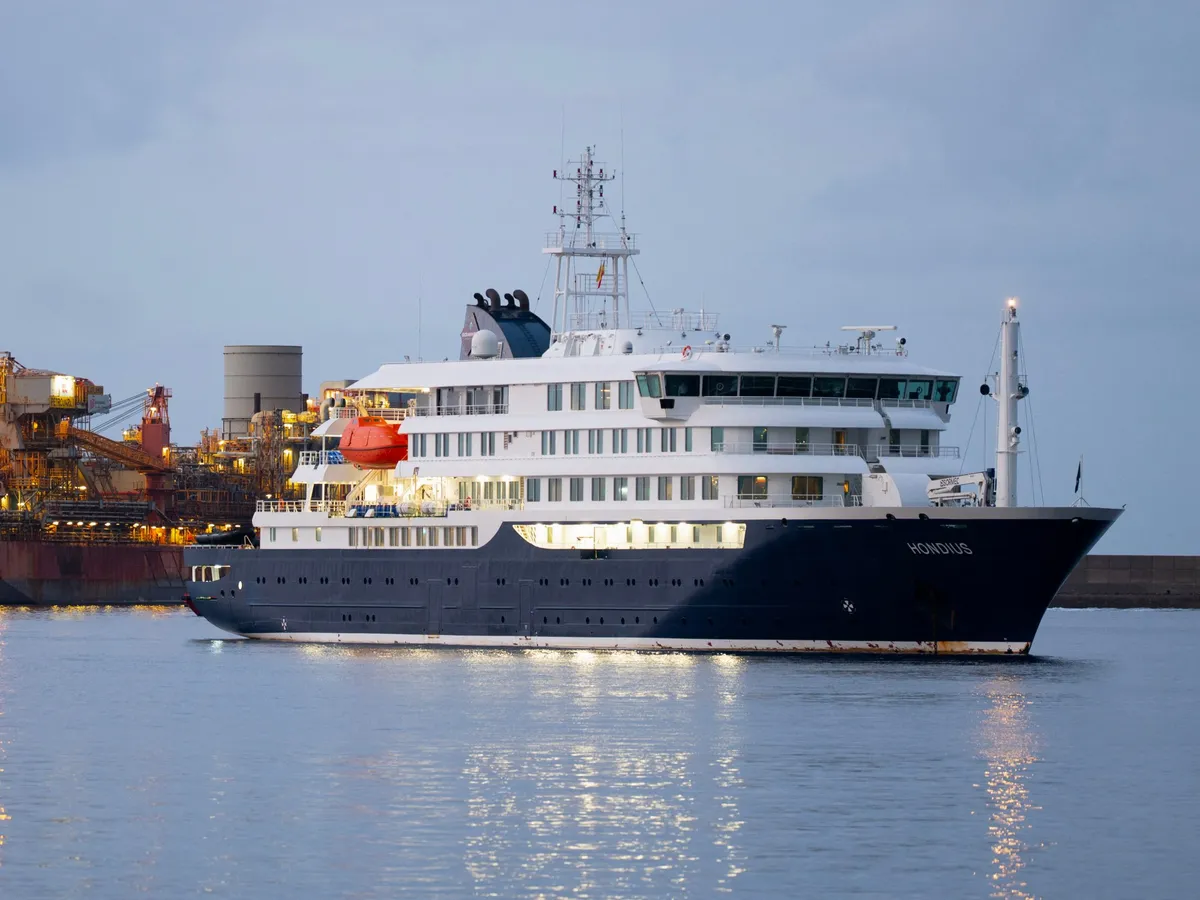
A dispute has emerged between Spain's central government and regional authorities in the Canary Islands over plans to allow a cruise ship affected by a deadly hantavirus outbreak to dock at Tenerife, according to reporting by Deutsche Welle.
Spanish national authorities granted permission for the vessel to dock, but officials in the Canary Islands have publicly objected to the decision, raising concerns about public health risks associated with allowing the ship to make port.
What is hantavirus?
Hantavirus is a rare but potentially fatal disease transmitted primarily through contact with infected rodents or their droppings. It is not typically known to spread efficiently from person to person, though outbreaks in enclosed environments such as ships can raise significant concerns among health authorities.
The virus can cause two serious conditions: hantavirus pulmonary syndrome, which affects the lungs, and hemorrhagic fever with renal syndrome, which affects the kidneys. Both conditions can be life-threatening if not treated promptly.
A conflict between central and regional authority
The disagreement highlights the tension that can arise between national governments and regional administrations during public health emergencies. Spain operates under a system of autonomous communities, and the Canary Islands government holds considerable authority over local health and safety matters.
Regional officials have not confirmed whether they have the legal power to override Madrid's decision, but their objection signals a significant policy dispute at a moment when passengers and crew aboard the vessel remain in an uncertain situation.
Passengers and crew affected
Details regarding the exact number of confirmed hantavirus cases aboard the ship, the current condition of those affected, and the vessel's point of origin were not fully specified in the available reporting from Deutsche Welle. The situation was described as ongoing, with developments continuing to emerge.
Cruise ship outbreaks of any kind tend to attract heightened scrutiny given the close quarters in which passengers and crew live, the international nature of the passenger lists, and the logistical challenges of managing medical care at sea or during port calls.
What happens next
It remains unclear how the standoff between Spanish national authorities and Canary Islands officials will be resolved, or whether the ship will ultimately be permitted to dock as planned. Health officials in both jurisdictions were expected to continue assessing the situation.
The case is being monitored by public health observers as cruise travel continues to recover following years of disruption, with any disease outbreak aboard a vessel carrying international passengers capable of drawing attention from health agencies across multiple countries.