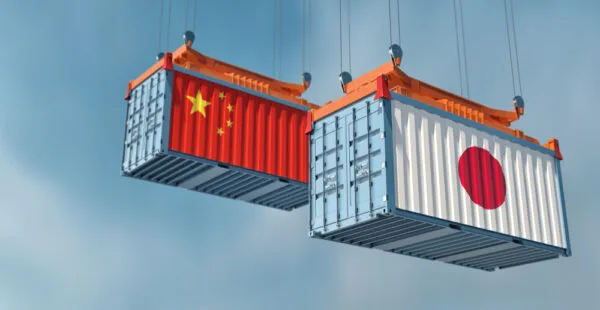
The European Union has agreed to double tariffs on imported steel to 50%, in a significant move to protect the bloc's struggling steel industry from an influx of low-cost foreign products, primarily from China.
EU lawmakers and member states reached the deal on Monday, according to France24. In addition to raising the tariff rate from 25% to 50%, the agreement also reduces duty-free import volumes by 47%, further tightening the conditions under which foreign steel can enter the European market.
Overcapacity at the heart of the dispute
EU Trade Commissioner Maros Sefcovic issued a stark warning about the broader economic context driving the decision, stating that global steel overcapacity poses a direct threat to Europe's industrial base. China has for years been the focal point of overcapacity concerns, with its state-subsidized steel sector producing far more than domestic demand requires, leading to large volumes of cheaper steel being exported to overseas markets.
European steelmakers have long argued that they cannot compete on price with Chinese producers who benefit from government support, and have pressed Brussels to take stronger protective measures. The latest agreement represents one of the most assertive trade defense actions the EU has taken in the steel sector in recent years.
Broader trade pressures
The decision comes amid a turbulent period for global trade. European industries are navigating simultaneous pressure from U.S. tariffs introduced under President Donald Trump's administration, as well as the continued flood of Chinese goods into international markets that has intensified following reduced access to the American market.
Steel is considered a strategically critical industry by the EU, both for economic and defense-related reasons. The bloc has invested significantly in maintaining domestic production capacity, and a collapse of European steel output would have wide-ranging consequences for construction, manufacturing, and defense supply chains.
What comes next
The revised tariff framework is expected to take effect following formal implementation procedures. It remains to be seen how China will respond to the measures. Beijing has previously challenged EU trade defense actions at the World Trade Organization and has imposed retaliatory tariffs on European goods in response to actions it considers protectionist.
Industry groups and trade analysts will be watching closely to assess whether the 50% tariff rate proves sufficient to meaningfully curb import volumes, or whether additional measures may be required to stabilize European steel markets.