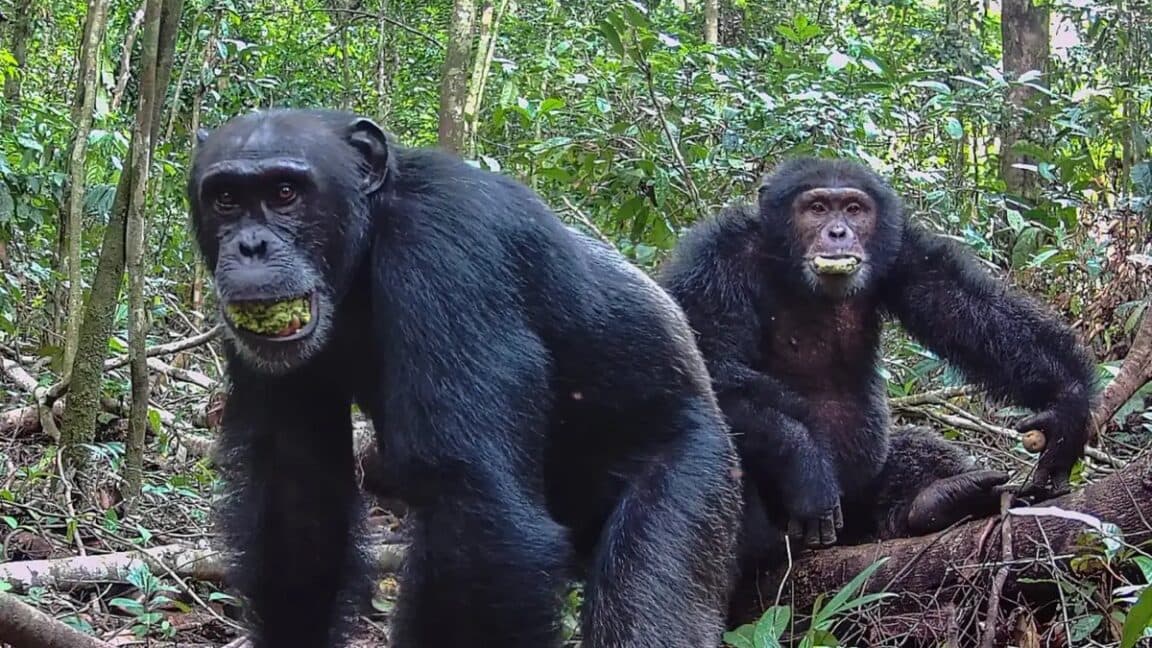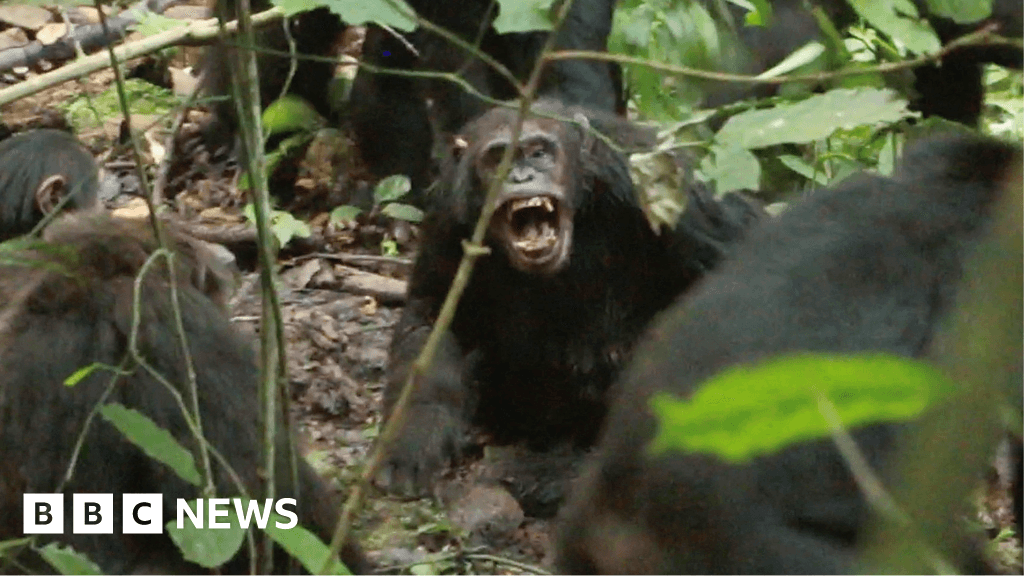
A large community of chimpanzees in Uganda's Kibale National Park has been engaged in what researchers are describing as a prolonged internal conflict spanning nearly a decade, according to findings reported by the BBC.
The Ngogo chimpanzee community, one of the largest and most closely studied groups of wild chimpanzees in the world, has been divided into rival factions for approximately eight years. Researchers say the conflict resembles dynamics seen in human warfare, with competing groups engaging in coordinated aggression against one another.
A community fractured
Scientists have observed the Ngogo group - which at its peak numbered well over 200 individuals - splitting into distinct sub-groups that have come into repeated violent conflict. The breakdown of what was once a cohesive social unit has given researchers an unusual opportunity to study how and why large primate communities fracture.
The situation draws comparisons to the so-called Gombe chimpanzee war of the 1970s, documented by primatologist Jane Goodall in Tanzania. That conflict, which lasted roughly four years, was the first recorded instance of sustained lethal inter-group violence among chimpanzees and challenged assumptions about aggression being a uniquely human trait.
What researchers are observing
According to reporting by the BBC, the conflict at Ngogo has involved territorial disputes, raids into rival groups' ranges, and violent confrontations. Such behavior is consistent with patterns scientists associate with resource competition and social dominance among chimpanzees.
Researchers have been monitoring the Ngogo community for decades, making it one of the longest-running field studies of wild chimpanzees. The extended observation period allows scientists to place the current conflict within a broader context of the group's social history.
The findings contribute to ongoing scientific debate about the evolutionary roots of organized violence. Some researchers argue that lethal inter-group conflict in chimpanzees - humans' closest living relatives - suggests deep evolutionary origins for certain forms of human warfare. Others caution against drawing direct parallels between chimpanzee behavior and complex human social conflicts.
Significance for primatology
The Ngogo case is considered particularly significant because of the community's size and the length of time researchers have been able to document events on the ground. Long-term field studies of this kind are relatively rare, and the data collected may help scientists better understand the social conditions that lead to community fission and sustained conflict in primates.
The research adds to a growing body of evidence that chimpanzees possess complex social and political lives, capable of alliances, betrayals, and organized collective action - behaviors once thought to be exclusively human.