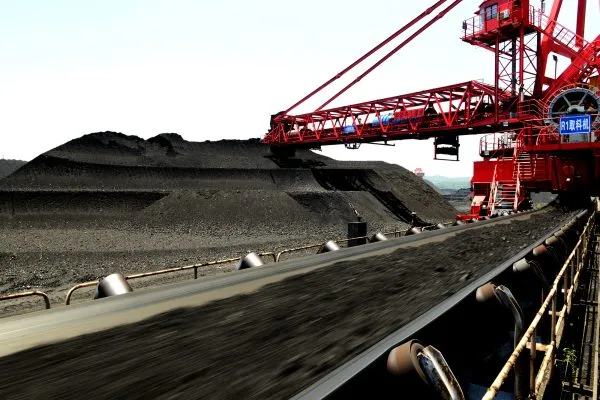
China's shift toward clean energy is not following the straightforward path that many policymakers and climate advocates had anticipated. Rather than replacing coal with renewables, Beijing is pursuing an expansion of both energy sources at the same time, according to an analysis published by The Diplomat.
The world's largest emitter of greenhouse gases has made significant investments in solar, wind, and other renewable technologies in recent years, leading some observers to characterize the country as a global leader in the clean energy transition. However, coal consumption and capacity have continued to rise alongside those gains, complicating that picture.
A dual-track approach
China's energy planners appear to be treating renewables as an addition to the country's overall energy supply rather than a direct replacement for existing coal infrastructure. This approach reflects the government's priority of ensuring energy security and meeting rapidly growing electricity demand, even as it also pursues emissions reduction targets.
The strategy stands in contrast to the linear transition model - in which high-carbon energy sources are phased out as low-carbon alternatives come online - that has guided climate policy discussions in many other countries and international frameworks.
Implications for global climate goals
China's coal expansion carries significant weight for global climate targets. The country accounts for roughly half of the world's coal consumption, meaning its domestic energy decisions have outsized consequences for international efforts to limit warming to 1.5 degrees Celsius above pre-industrial levels, as outlined in the Paris Agreement.
Critics argue that building new coal capacity locks in decades of future emissions, undermining the country's own pledges to peak carbon emissions before 2030 and achieve carbon neutrality by 2060. Supporters of Beijing's approach contend that the simultaneous build-out of renewables at scale positions China to eventually phase down coal from a higher baseline while maintaining economic stability throughout the transition.
Competing pressures
China's leadership faces pressure from multiple directions. Economic growth targets, energy security concerns following global supply disruptions in recent years, and the electricity demands of a growing industrial base all push toward maintaining reliable coal-fired generation. At the same time, domestic air quality concerns, international diplomatic expectations, and the country's own renewable industry interests pull toward accelerating the clean energy build-out.
The result, as The Diplomat's analysis suggests, is an energy system that is growing in nearly every direction at once - one that does not fit neatly into either a climate success story or a straightforward climate failure narrative.
How long China can sustain expansion on both tracks, and when or whether coal capacity will begin to decline in absolute terms, remains a central question for climate analysts and policymakers worldwide.