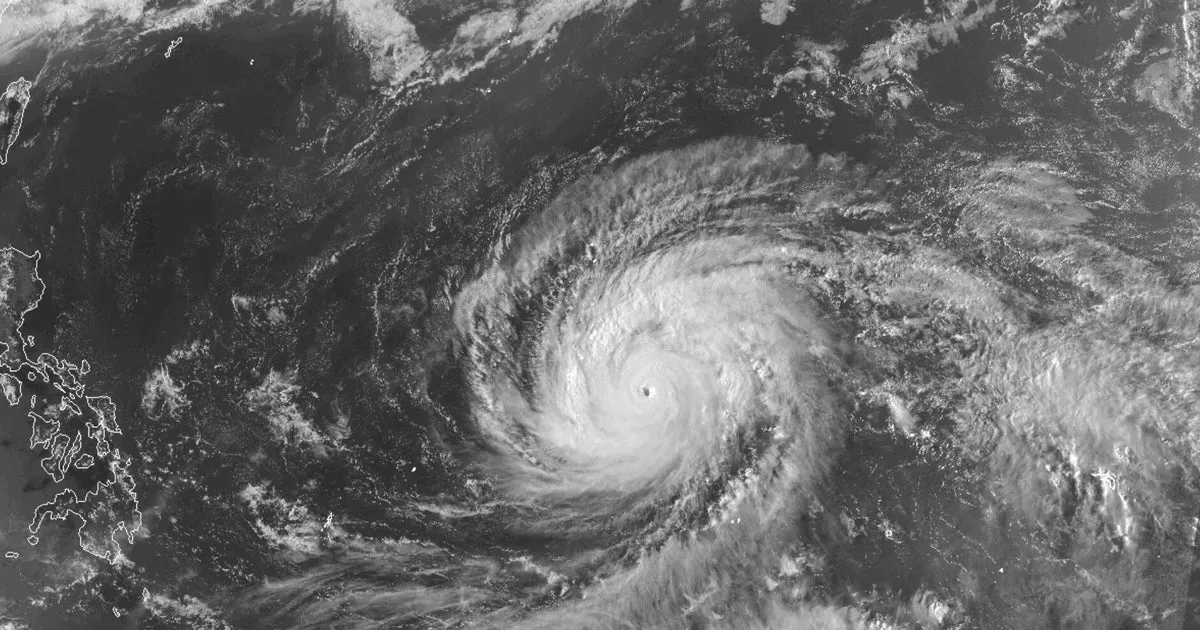
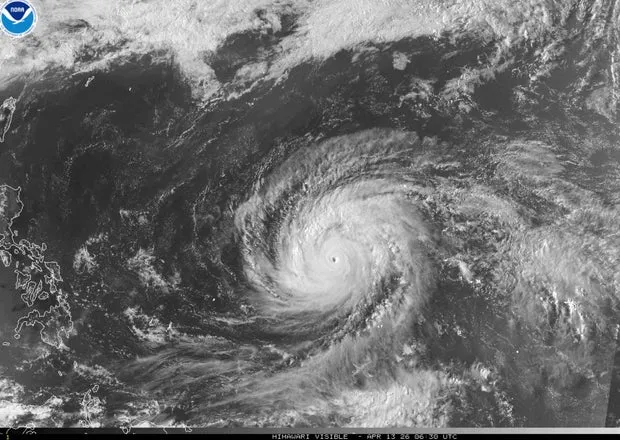
A powerful super typhoon struck a chain of remote U.S. island territories in the western Pacific on Tuesday, with the storm's inner eyewall making landfall across the region, which includes Guam, according to CBS News.
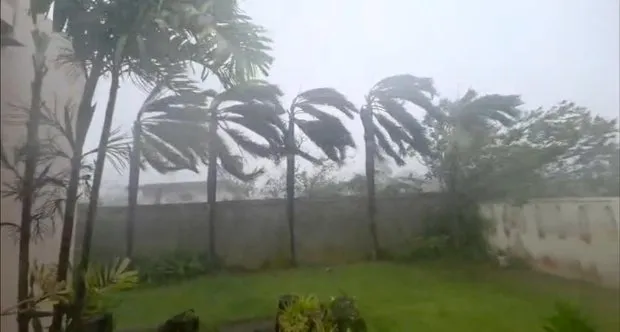
Super Typhoon Sinlaku brought extreme wind and storm conditions to the affected islands, which sit in one of the most typhoon-prone regions on Earth. The western Pacific is the most active basin for tropical cyclone development globally, and the area's U.S. territories face recurring exposure to powerful systems during the annual typhoon season.
Scope of the storm
The term "super typhoon" is applied to storms in the western Pacific that reach sustained wind speeds equivalent to a Category 4 or Category 5 hurricane on the Saffir-Simpson scale used in the Atlantic and eastern Pacific. The inner eyewall - the ring of the most intense thunderstorm activity immediately surrounding a storm's eye - making landfall signals that a location is experiencing some of the worst conditions a tropical cyclone can produce.
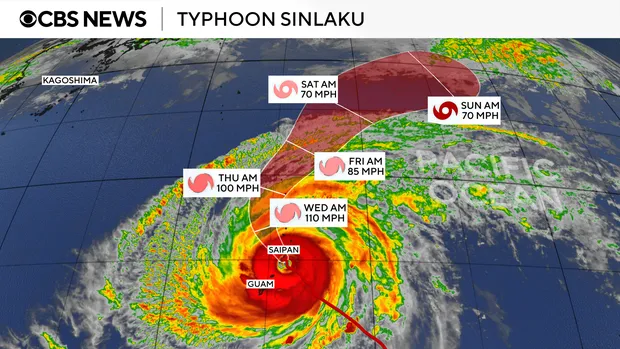
Guam, a U.S. territory with a population of roughly 150,000 people, is the largest and most populous island in Micronesia and serves as a significant U.S. military hub in the region. The island chain targeted by Sinlaku includes other smaller and more sparsely populated U.S. territories in the Commonwealth of the Northern Mariana Islands.
A region no stranger to powerful storms
The western Pacific islands have faced repeated typhoon impacts in recent decades. Super Typhoon Mawar struck Guam in May 2023, causing widespread damage to infrastructure and leaving thousands without power for extended periods. Recovery from that storm was still ongoing in some areas.
Typhoon preparedness infrastructure and evacuation protocols are well established across the U.S. territories in the region given their geographic vulnerability, though the combination of remote location and island geography can complicate relief and recovery efforts following major strikes.
The full extent of damage caused by Sinlaku was not immediately clear as the storm continued to move through the region. Officials and emergency management agencies were expected to begin assessing conditions as soon as the storm allowed safe access.
Further details on casualties, infrastructure damage, and the storm's projected track were not available at the time of initial reporting, according to CBS News.