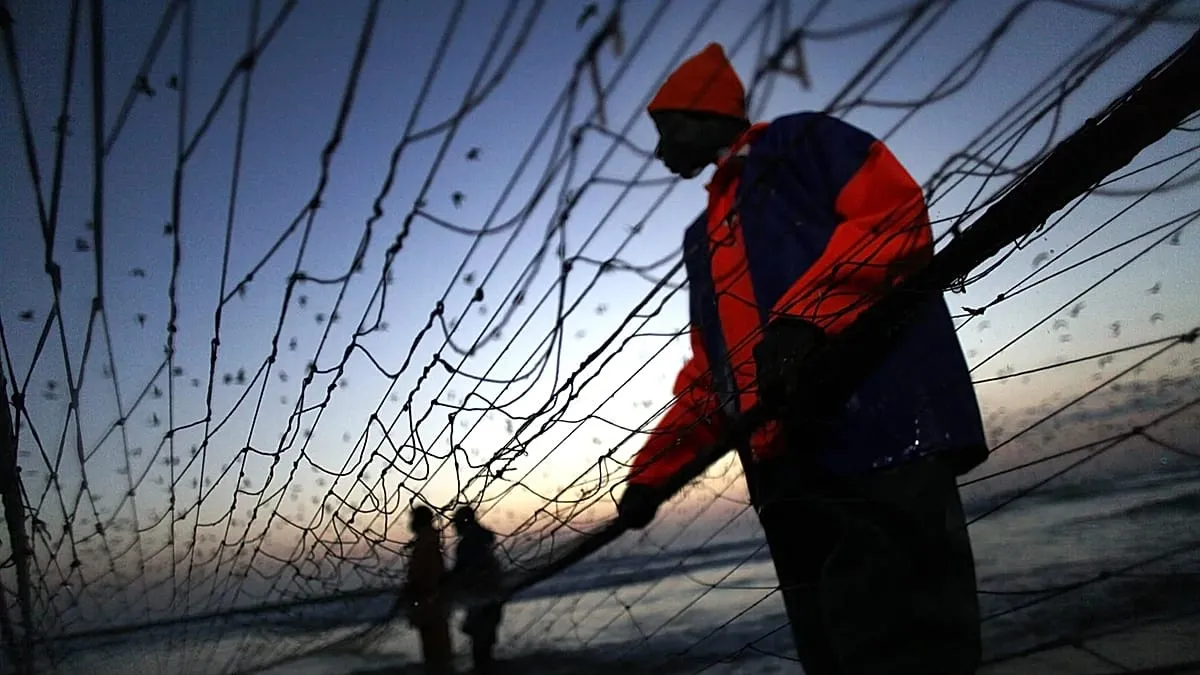
Abandoned fishing nets, lines, and traps continue to trap and kill marine life long after they are lost or discarded, and a European Union-funded initiative is working to address what researchers describe as one of the ocean's most persistent hidden threats.
The NETTAG+ project, as reported by Euronews, is designed to combat so-called ghost fishing gear - equipment that continues to ensnare fish, marine mammals, and seabirds on the seafloor and in the water column, sometimes for decades after being abandoned.
The scale of the problem
Ghost gear is considered among the most harmful forms of marine debris. Unlike passive pollution, lost nets and traps remain functional as killing devices. Fish and other marine creatures become entangled, die, and in turn attract more animals, creating a continuous cycle of unintended capture. The gear itself can also smother seabed habitats and damage coral ecosystems.
The problem spans seas and oceans worldwide, but European waters are a particular focus given the intensity of commercial fishing activity across the Atlantic and Mediterranean.
Fishermen as partners, not targets
A central element of the NETTAG+ approach involves working directly with fishing communities rather than treating them as adversaries. According to Euronews, the project positions fishermen as key allies in identifying, reporting, and recovering lost gear.
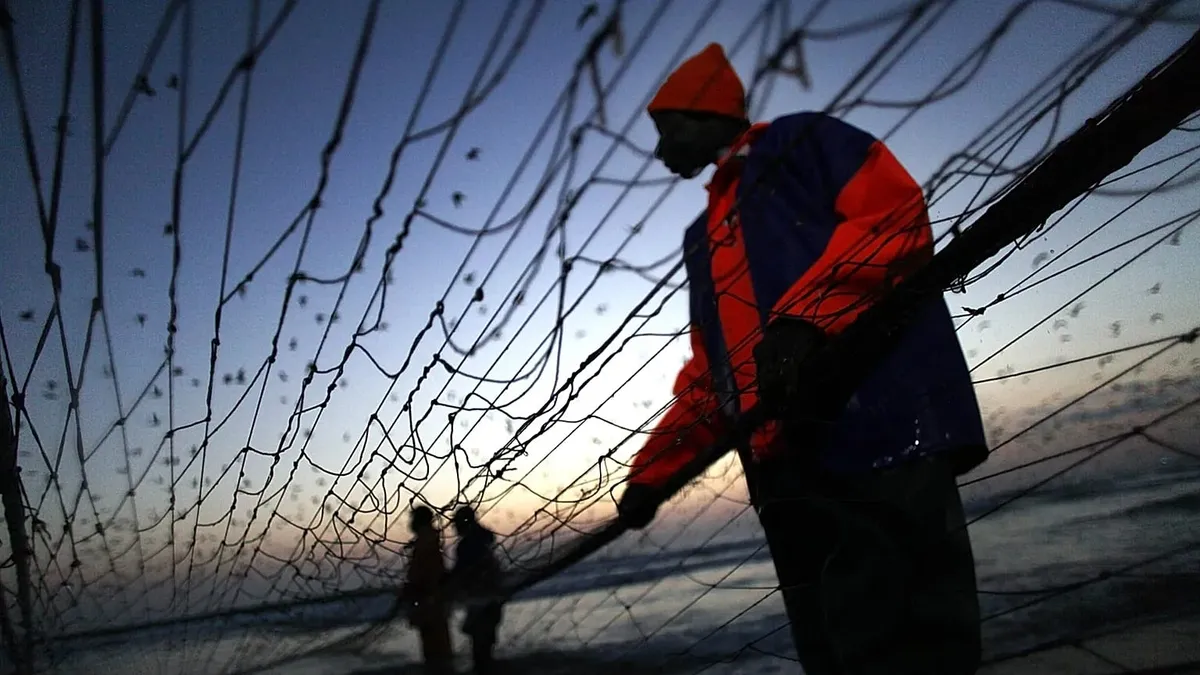
This cooperative strategy reflects a broader shift in how conservation efforts are structured. Fishing professionals have direct knowledge of where gear is most frequently lost and under what conditions, making their involvement practically valuable as well as politically important for gaining industry buy-in.
Technology and tracking
The NETTAG+ project also incorporates tagging and tracking technology to monitor fishing equipment and improve the chances of recovery when gear is lost. By attaching identification systems to nets and other equipment, the initiative aims to create accountability and make retrieval more feasible.
The EU funding underpinning the project reflects the bloc's broader commitments under its marine environmental policy framework, which includes targets for reducing ocean plastic and protecting marine biodiversity.
Wider context
Ghost gear is estimated by international environmental organizations to account for a significant portion of large plastic debris in the world's oceans. Recovery efforts have been undertaken in various regions, but coordination and resources have historically been limited.
NETTAG+ represents one of the more structured EU-level responses to the issue, combining scientific monitoring, stakeholder engagement, and practical retrieval operations into a single program.
The initiative's long-term effectiveness will depend in part on sustained participation from fishing fleets and continued political support for marine conservation funding.