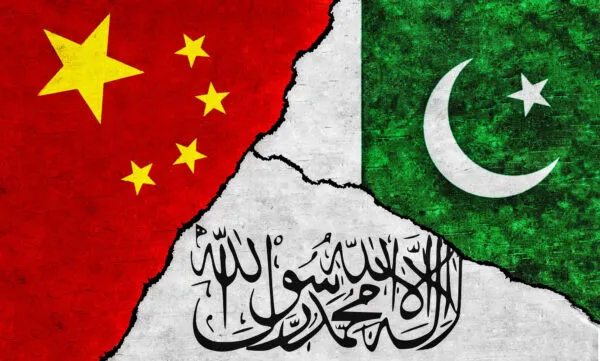
China is increasingly positioning itself as a behind-the-scenes mediator in some of the world's most volatile regions, according to an analysis published by The Diplomat, signaling a deliberate strategic shift in how Beijing seeks to project influence on the global stage.
The assessment points to South Asia and the Middle East as the primary theaters where China is cultivating its image as a peacemaker, stepping into diplomatic spaces that have traditionally been dominated by Western powers, particularly the United States.
A calculated diplomatic repositioning
The analysis suggests Beijing is reading the current period of geopolitical flux as an opportunity. As global institutions face strain and traditional alliances are tested, China appears to be leveraging its relationships with rival states to insert itself into conflict resolution processes that would previously have been outside its diplomatic reach.
China's 2023 brokering of a normalization agreement between Saudi Arabia and Iran is frequently cited as a landmark example of this approach. That deal, facilitated in Beijing, demonstrated that China could serve as a credible intermediary between parties with deep historical animosities.
South Asia and the Middle East as key arenas
In South Asia, China's complex relationships with both India and Pakistan - as well as its significant economic footprint in the region through the China-Pakistan Economic Corridor - give Beijing a degree of leverage and access that few other external powers possess.
In the Middle East, China's position as a major energy importer and infrastructure investor has provided it with economic ties to multiple actors in the region, including those on opposing sides of longstanding disputes.
Competing interpretations
Not all observers view China's mediating role as purely altruistic. Critics argue that Beijing's diplomatic interventions are carefully calibrated to serve its own strategic and economic interests, expanding its sphere of influence while presenting a public image of neutrality and stability.
Supporters of the approach contend that regardless of motivation, successful mediation that reduces conflict serves a broader international interest, and that China's willingness to engage in such diplomacy represents a meaningful contribution to global order.
The Diplomat's analysis frames China's emergence in this role as a reflection of broader shifts in the international system, where the concentration of diplomatic initiative among a small group of Western-led institutions is giving way to a more multipolar environment in which rising powers compete to shape outcomes.
Whether Beijing can convert its backroom influence into durable, recognized standing as a global peacemaker remains an open question, one that will likely be answered by how future regional crises unfold.