America had a good run. But China just walked back into the supercomputing room, cracked its knuckles, and reminded everyone who used to own this neighborhood.
According to the latest TOP500 rankings, released Tuesday at the International Supercomputing Conference in Hamburg, Germany, China has reclaimed the title of world's fastest supercomputer for the first time since 2017 - a full eight years of watching from the sidelines while the US flexed its silicon muscles.
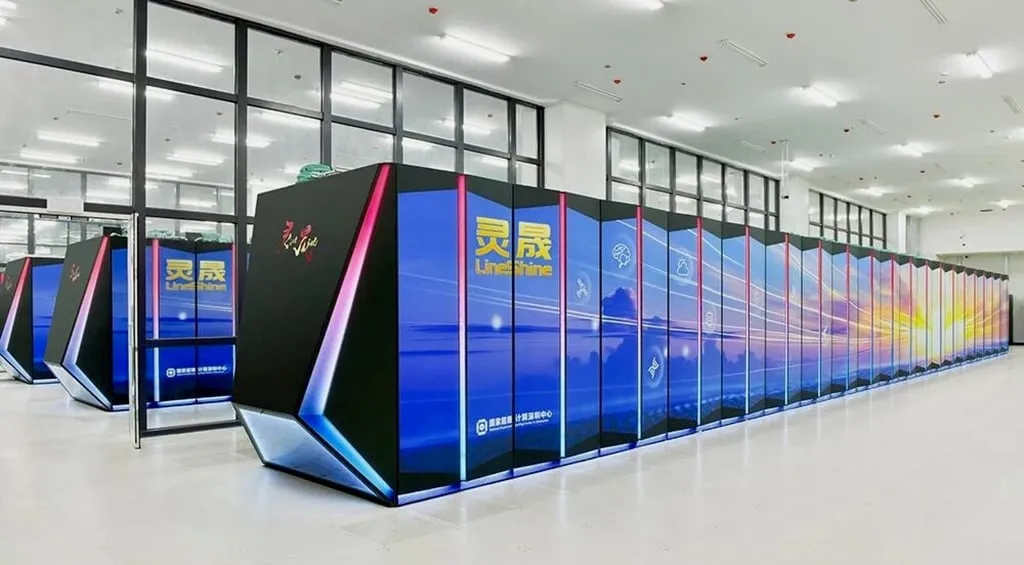
Meet LineShine, your new overlord
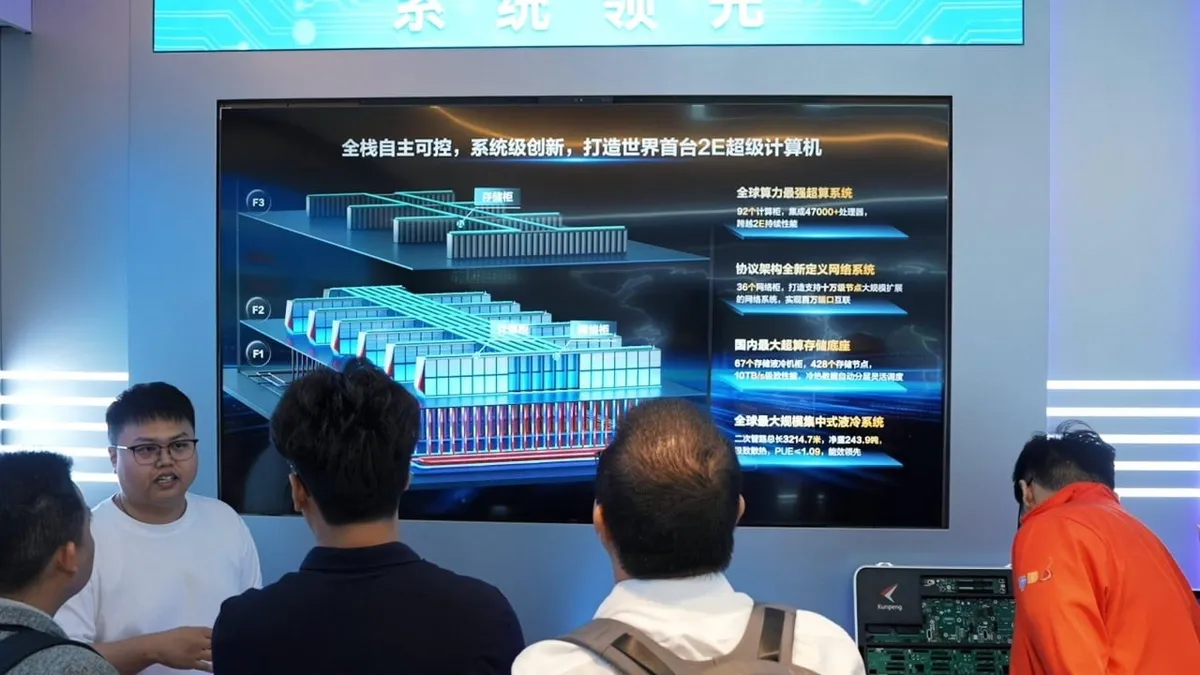
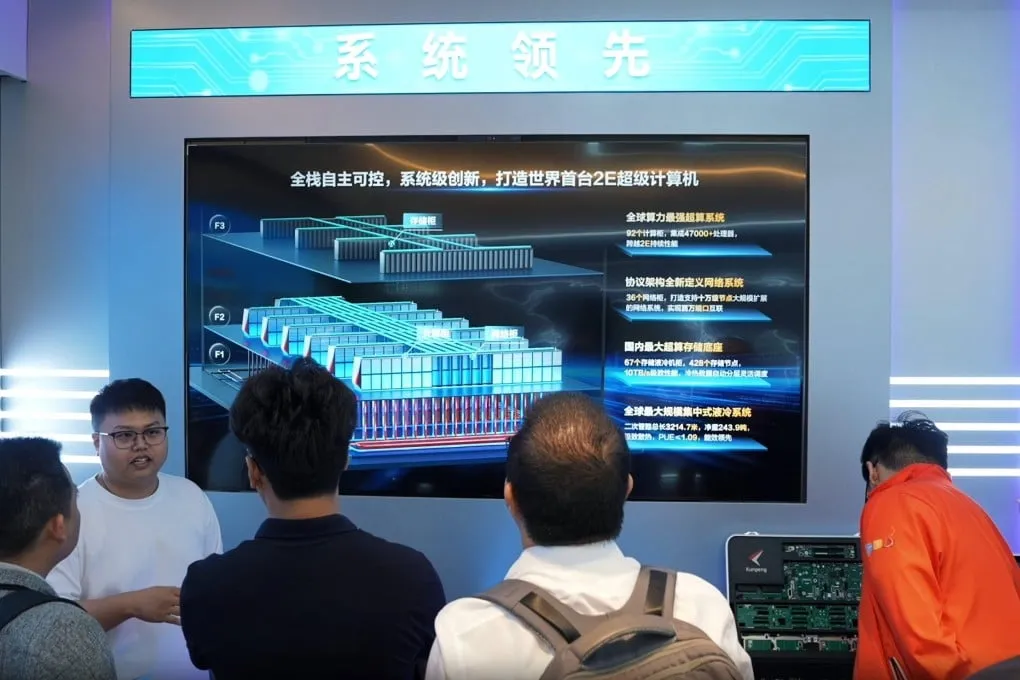
The new king of the hill is LineShine, built by the National Supercomputing Centre in Shenzhen. The machine clocked in at a jaw-dropping 2.198 exaflops of performance. For the non-nerds in the room, that is roughly 2.2 quintillion calculations per second. Per second. While you were reading that sentence, LineShine did more math than every human who has ever lived could do in several lifetimes.
The dethroned champion, El Capitan - housed at Lawrence Livermore National Laboratory in California - managed a respectable 1.809 exaflops. Under normal circumstances, that number would make scientists weep with joy. Today, it just makes El Capitan the world's most powerful consolation prize.
Why this actually matters beyond bragging rights
Supercomputer rankings are not just a nerdy scoreboard to hang on a nation's fridge. The machines at the top of the TOP500 list are used for genuinely consequential work - nuclear weapons simulation, climate modeling, drug discovery, AI research, and the kind of physics calculations that make your university coursework look like counting on fingers.
China holding the top spot signals serious investment and capability in high-performance computing infrastructure, particularly noteworthy given ongoing US export restrictions on advanced semiconductors aimed at slowing Chinese technological progress. Whether LineShine was built around those restrictions or despite them is a question the rankings alone cannot answer.
A pattern of leapfrogging
This is not China's first rodeo at the top of the list. Chinese machines held the number one position from 2013 through 2017, before the US surged back with Summit and then Frontier. The back-and-forth nature of these rankings suggests the two countries are locked in what is essentially the world's most expensive, most complicated game of technological leapfrog.
Based on reporting by the South China Morning Post, LineShine's achievement represents a significant milestone in China's computing ambitions. Whether the US fires back with something even more monstrous in the next ranking cycle - as it has done before - remains to be seen.
For now, China gets to hang the banner. Again.