In what is shaping up to be the world's most passive-aggressive diplomatic standoff, China has formally complained to New Zealand about military aircraft flying close to its coastline - and New Zealand is apparently not losing sleep over it.
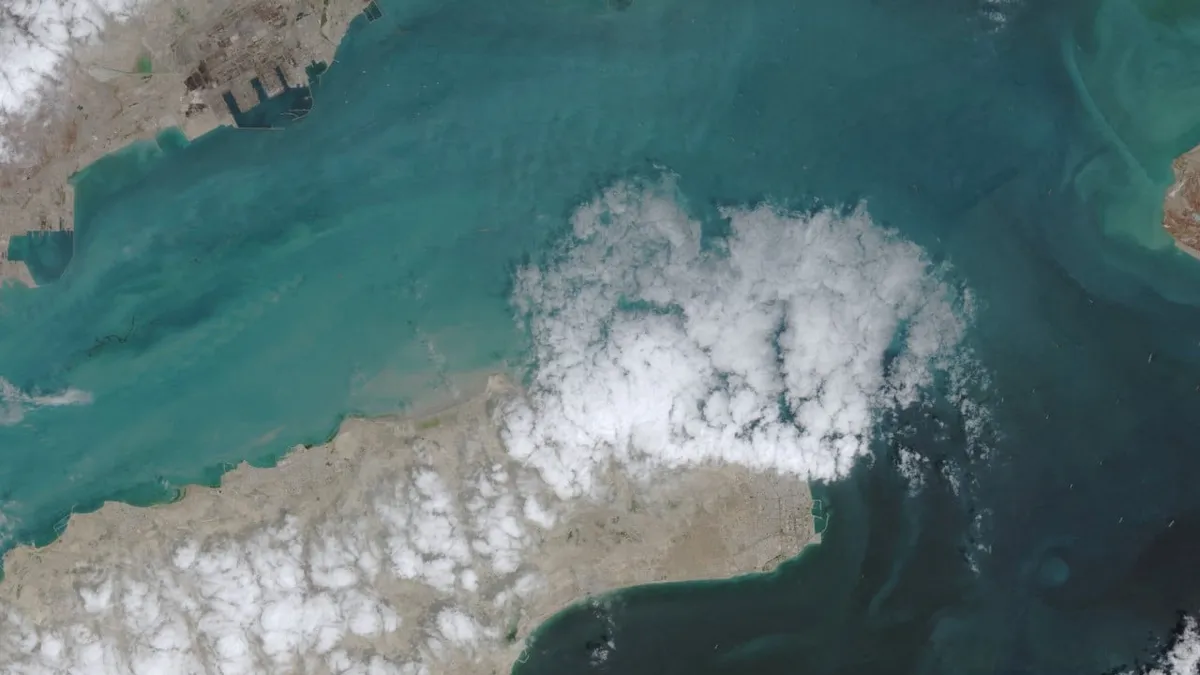
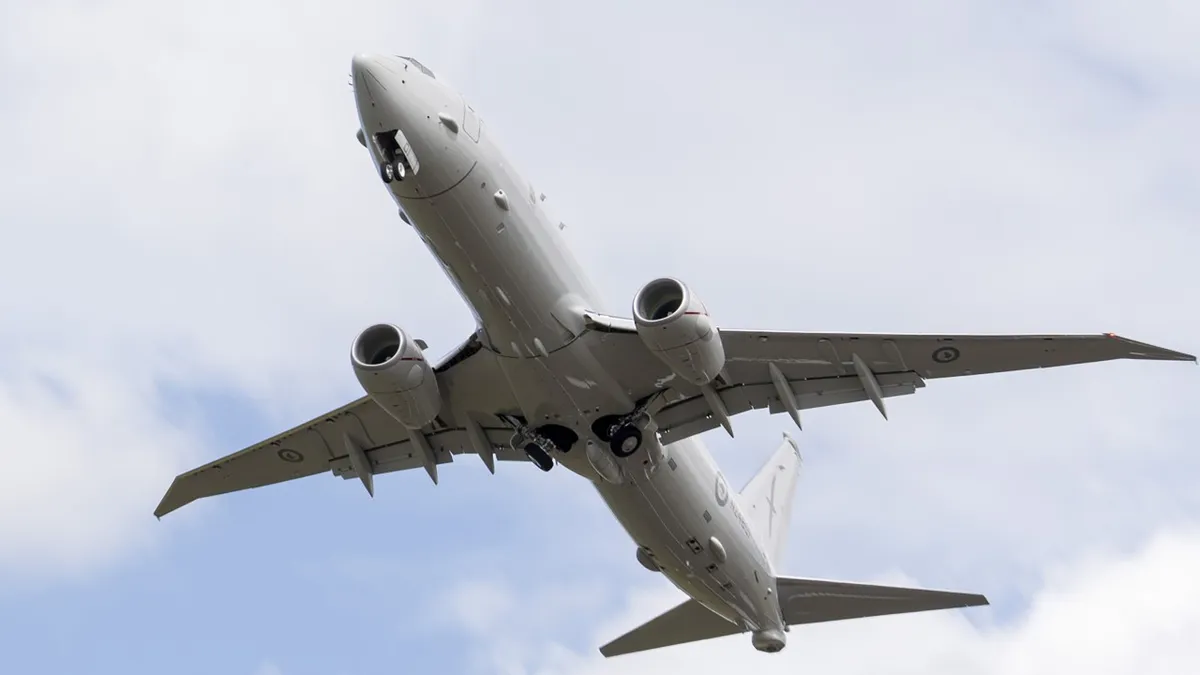
According to the South China Morning Post, Chinese foreign ministry spokesman Guo Jiakun publicly announced Friday that a New Zealand P-8A anti-submarine patrol aircraft had been conducting what Beijing described as "continuous close-in reconnaissance and harassment" over the Yellow Sea and East China Sea. Strong words from a country that definitely does not conduct any reconnaissance of its own.
What Beijing is actually saying
China's position, as stated by Guo, is that the patrol flights undermine Chinese security interests and raise the risk of misunderstandings escalating into something nobody wants. Beijing also threw in the claim that the aircraft's activities had put commercial airliners at risk - a serious allegation that, as of writing, has not been independently verified.
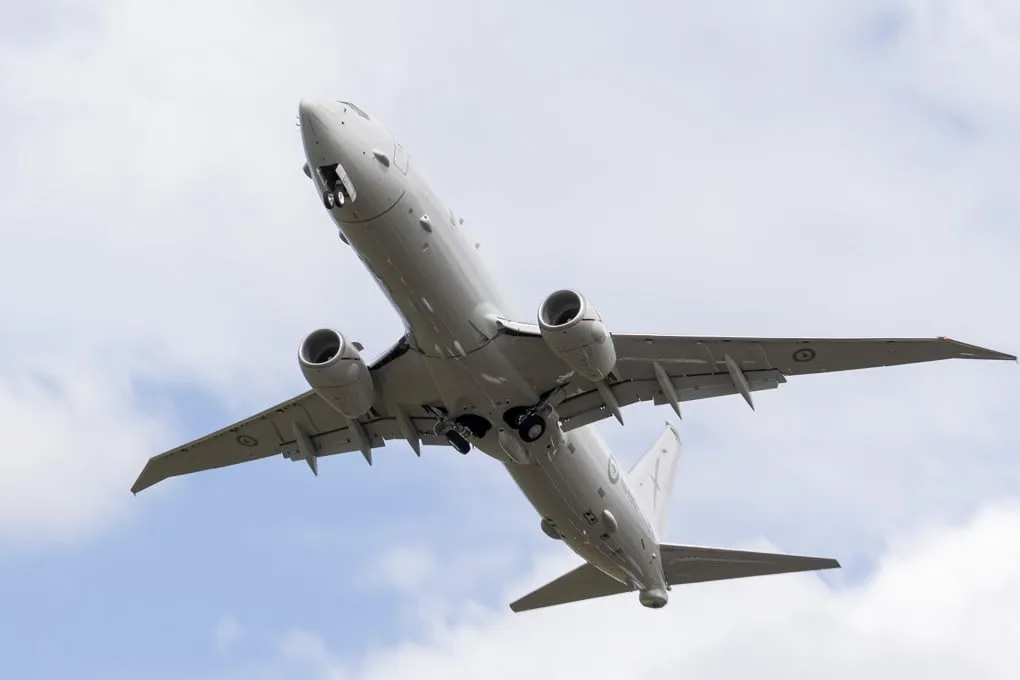
The P-8A, for the uninitiated, is a Boeing 737-based maritime patrol and anti-submarine warfare aircraft used by several US allies, including New Zealand, Australia, and the UK. It is very good at finding submarines. China has a lot of submarines. You can probably do the math.
New Zealand's position
Wellington has not exactly been trembling. New Zealand's standard position - shared by most Western nations - is that military aircraft have every right to operate in international airspace, which is precisely what the Yellow Sea and East China Sea partially are, regardless of how close they happen to be to somebody's coastline.
This is not the first time China has lodged this type of complaint. Beijing routinely protests what it calls "close-in reconnaissance" by US allies near its shores, framing the patrols as provocative rather than routine. Western nations frame them as exactly that - routine freedom of navigation and overflight operations.
The bigger picture
New Zealand's increasing participation in Indo-Pacific security operations has been a growing point of tension with China, which is simultaneously one of New Zealand's largest trading partners. Wellington has been carefully threading that needle for years, and Beijing lodging a formal complaint suggests the needle just got a little harder to thread.
Whether this escalates beyond a diplomatic grumble remains to be seen. For now, the P-8A is presumably still out there, doing P-8A things, while Beijing drafts its next strongly worded statement.