China may be drawing some diplomatic benefit from the United States-Iran conflict, but analysts warn that the longer-term consequences for Beijing's energy supply and economic outlook could outweigh any near-term gains, according to reporting by The Guardian.
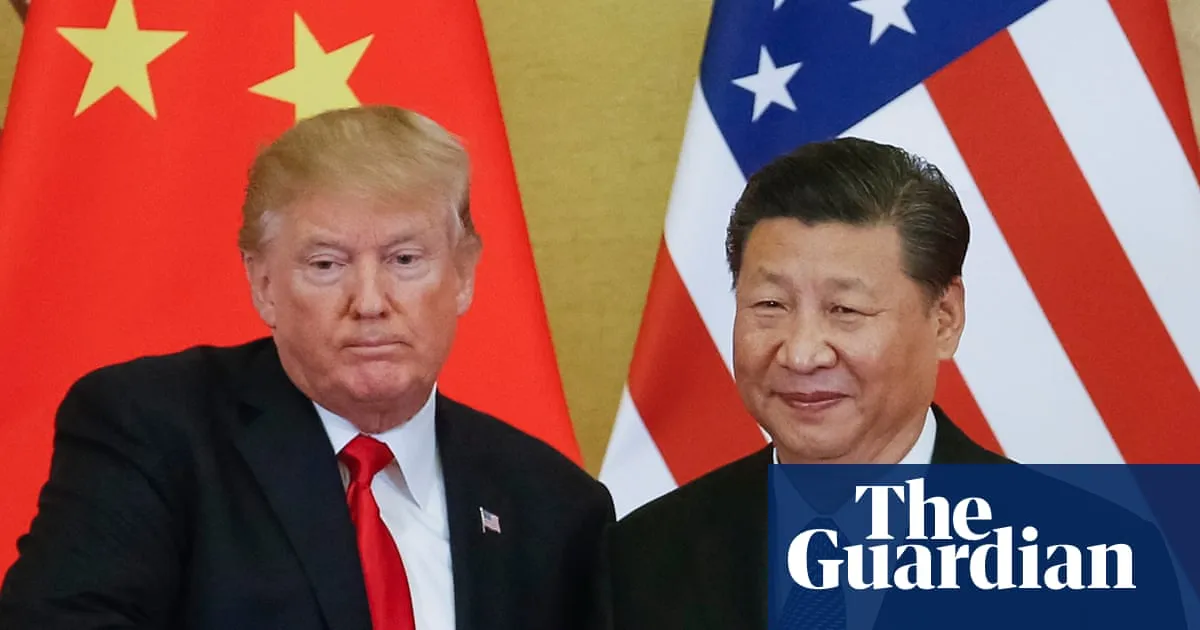
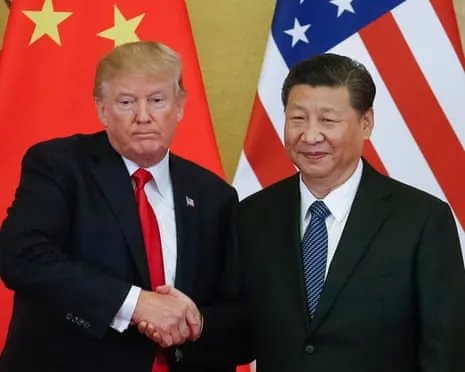
The conflict has upended what was expected to be a significant year in China-US relations. In February, Chinese Foreign Minister Wang Yi described 2026 as a potential 'big year' for ties between the two countries, speaking ahead of a planned visit by President Donald Trump to Beijing in March - his first trip to China since 2017. That visit, along with a prospective meeting between Trump and Chinese President Xi Jinping, did not take place as anticipated.
Diplomatic positioning
While the breakdown in US-China diplomatic momentum might appear to create openings for Beijing, the situation carries significant complications. China has cultivated close economic and energy ties with Iran, and any prolonged military conflict in the region poses direct risks to those arrangements.
Energy security concerns
China is among the world's largest importers of oil and relies heavily on supplies from the Middle East. Conflict involving Iran - a key energy partner for Beijing - threatens to disrupt supply chains and drive up prices at a time when the Chinese economy is already navigating considerable pressures.
A sustained military engagement in the Persian Gulf region could affect shipping lanes critical to Chinese energy imports, adding logistical uncertainty to an already complex geopolitical environment.
Broader economic risks
Beyond energy, the conflict introduces broader instability into global markets. China's export-driven economy is sensitive to disruptions in international trade and investor confidence. A widening conflict could dampen global demand and complicate Beijing's efforts to sustain economic growth.
The developments represent a notable shift from the diplomatic trajectory that appeared to be forming earlier in the year. The prospect of a Trump visit to Beijing had signaled a potential easing of tensions between the two largest economies. The collapse of those plans, combined with a new military conflict involving a key Chinese partner, has significantly altered the strategic landscape facing Beijing's leadership.
Whether China ultimately emerges from the crisis in a stronger geopolitical position or finds itself constrained by economic and energy vulnerabilities remains an open question, one that analysts suggest will depend heavily on the conflict's duration and scope.