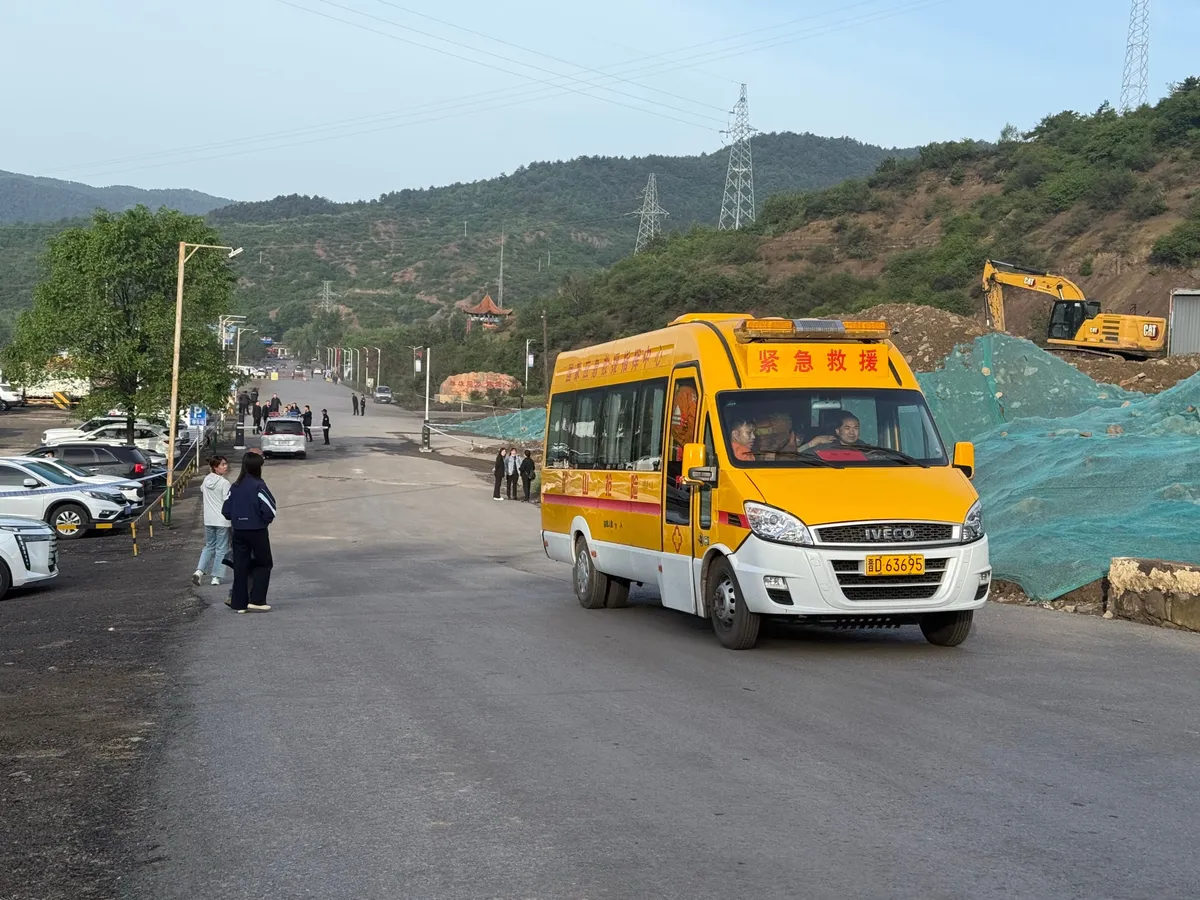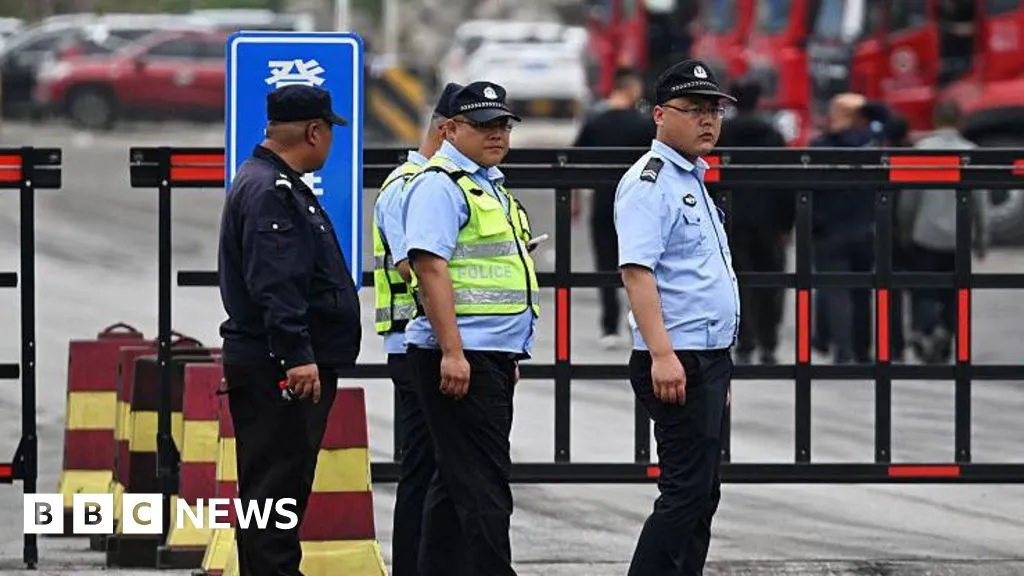
China just suffered its deadliest coal mining disaster in years, and even the country's famously strict internet censors are struggling to keep a lid on the public's fury. According to BBC News, anger is spreading rapidly across Chinese social media platforms, with users demanding justice and asking the uncomfortable but entirely reasonable question of how, in 2025, this is still happening.
What we know
The disaster ranks among the worst coal mining accidents China has seen in recent memory. While Chinese authorities have not been forthcoming with granular details - a pattern that will surprise absolutely nobody - the BBC reports that citizens online are not waiting politely for official explanations. People are posting questions, pushing for accountability, and generally doing what governments hate most: refusing to move on.
China remains the world's largest coal producer and consumer, a title that comes with a grim asterisk. Its mining industry has a long and painful history of deadly accidents, often blamed on a toxic cocktail of lax safety enforcement, production pressure, and corner-cutting that would make any health and safety inspector spontaneously combust.

The internet fights back (sort of)
What makes this moment notable, as the BBC points out, is the persistence of public anger on platforms where sensitive topics routinely vanish faster than a magician's rabbit. Users are reportedly calling for justice and demanding transparency, even as the censorship machinery works overtime. Whether those voices will translate into actual accountability is, historically speaking, a different and more depressing question.
A pattern that refuses to die
China has made genuine strides in reducing mining fatalities over the past two decades - the numbers in the early 2000s were genuinely staggering. But disasters of this scale serve as brutal reminders that progress and "problem solved" are not the same thing. Every time an incident like this occurs, it rips open a familiar debate about whether economic output is being prioritised over the lives of workers who quite literally keep the lights on.
As of writing, investigations are reportedly underway, though observers familiar with China's track record on industrial accident accountability will know that "investigation" and "consequences" do not always share the same zip code.
The BBC's full report is available here.