If you thought your country's political situation was exhausting, spare a thought for Bulgaria - a nation that has somehow managed to hold eight parliamentary elections in just five years. That's more elections than most people change their mattress, and considerably less comfortable.
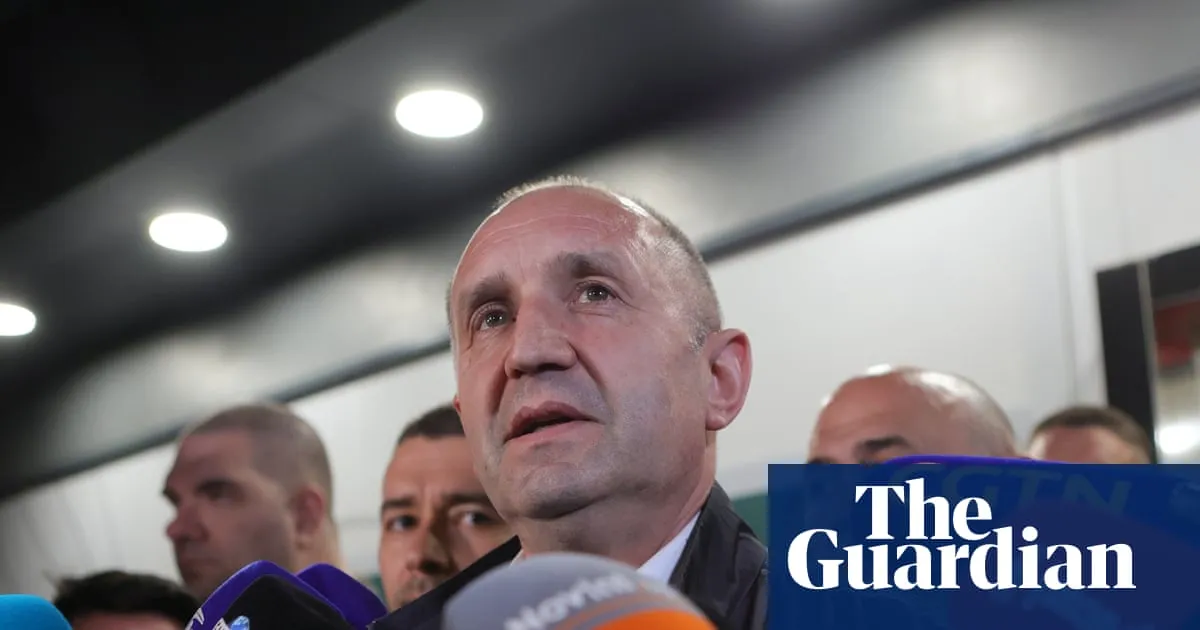
According to The Guardian, Bulgarians returned to the polls after yet another government collapse in December, with the current frontrunner being Rumen Radev - a Eurosceptic former fighter pilot turned president turned, well, guy who wants to be in charge of a whole different branch of government now.
Who is Rumen Radev and why should you care?
Radev is not your typical politician. The man flew fighter jets for a living, which either means he's exceptionally cool under pressure or just really comfortable with things spiraling downward at high speed - both useful qualities in Bulgarian politics, arguably.
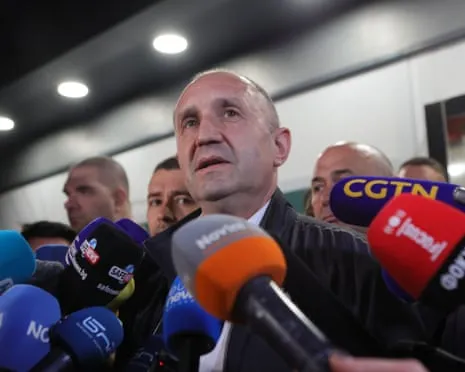
He stepped down from the presidency in January to run in parliamentary elections, campaigning on a platform of stamping out corruption and ending the revolving door of weak, short-lived governments that have plagued the country. The fact that Bulgaria is on election number eight in five years does suggest the revolving door metaphor might be underselling it - this is more of a political spin cycle.
Radev has also been a vocal opponent of military support for Ukraine, putting him at odds with much of the EU and NATO establishment - not a small deal for a country that is a member of both.
What's actually at stake
Beyond the geopolitical drama, The Guardian reports that voters are primarily focused on very real, kitchen-table concerns: stability and the cost of living. After nearly half a decade of governmental musical chairs, Bulgarians are understandably hungry for a government that lasts long enough to, say, pass a budget.
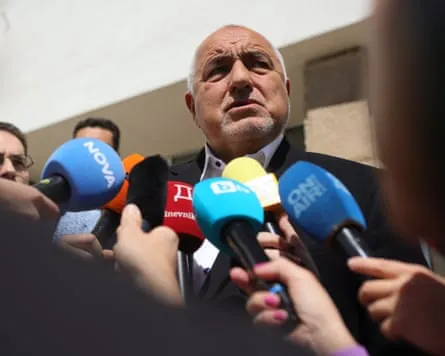
Corruption also looms large as an issue - Bulgaria has long struggled with its reputation as one of the EU's most corruption-affected member states, and Radev has made cleaning that up a central pillar of his pitch to voters.
The bigger picture
Bulgaria's political paralysis is not just a domestic soap opera - it has real consequences for EU cohesion and the broader question of which direction Eastern European nations lean as pressure from Russia continues. A Radev-led government skeptical of Ukraine aid would be a notable shift in the bloc's dynamics.
For now though, Bulgarians are doing what they've become remarkably practiced at: voting, waiting, and hoping that this time, someone actually forms a government that makes it past Christmas.