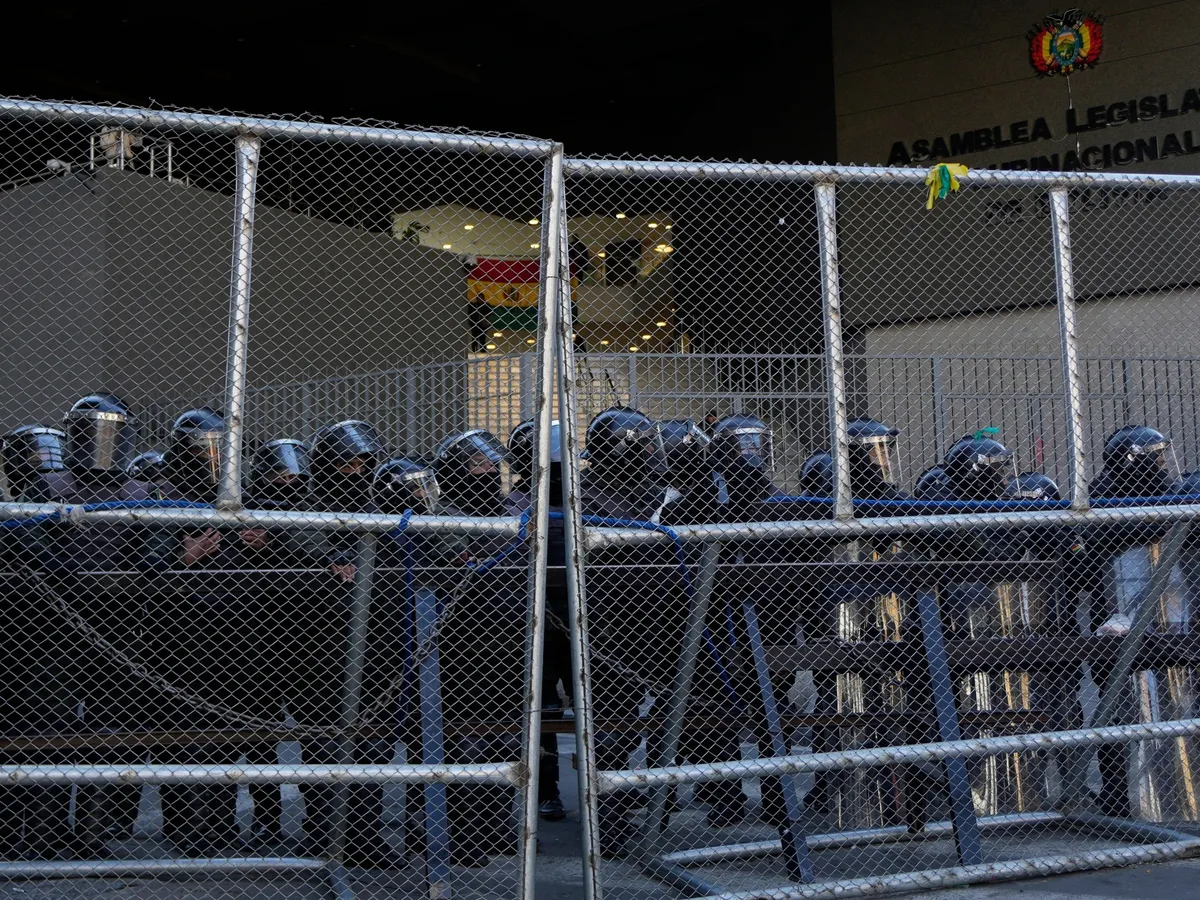
Bolivia is having what diplomats would diplomatically call "a rough patch" - and what everyone else would call an absolute meltdown. Protests across the country have escalated dramatically, with growing crowds demanding that President Rodrigo Paz do the one thing no sitting head of state ever really wants to do: resign.
So what is actually going on?
According to Al Jazeera, social unrest in Bolivia has spiraled well past the point where a strongly-worded press release is going to fix things. The protests are no longer a fringe movement - they have grown into a broad-based crisis that is putting serious pressure on the Paz administration to either course-correct fast or exit stage left.
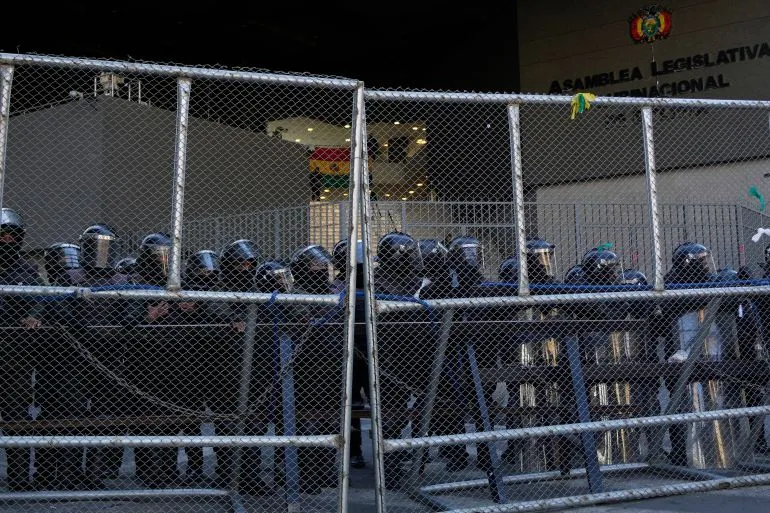
While the specific grievances fueling the demonstrations are multifaceted - as they tend to be in a country with Bolivia's complex economic and political history - the common thread running through the streets is a loss of confidence in the current leadership. When protesters stop asking for policy changes and start asking for your resignation, that is generally a sign the honeymoon is over.
A familiar story with high stakes
Bolivia is no stranger to political turbulence. The landlocked Andean nation has seen its share of leadership crises over the decades, and the current situation echoes patterns that have previously ended presidencies before their scheduled expiration dates. The economy has been under significant strain, and public patience - never an infinite resource anywhere - appears to be running dangerously low.
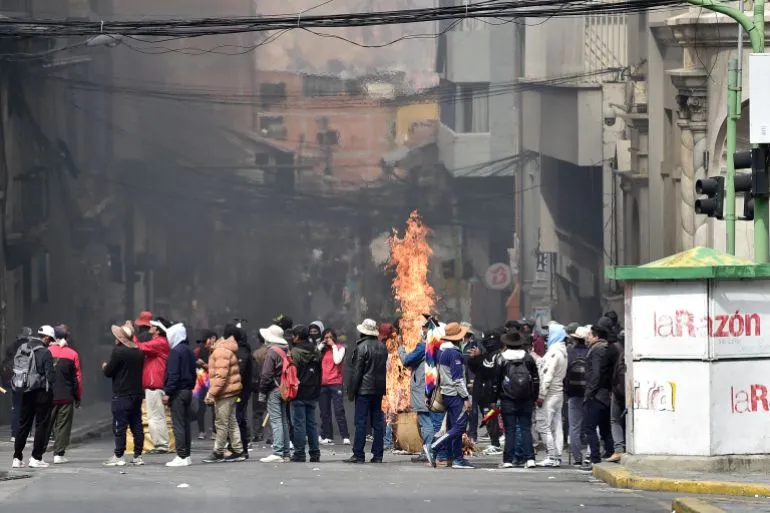
President Paz now faces the classic impossible triangle: try to crack down and risk inflaming protests further, offer concessions and appear weak, or attempt a dialogue that protesters may no longer be interested in having. None of these options come with a gift receipt.
What happens next?
As of reporting by Al Jazeera, the situation remains fluid - which is journalist-speak for "nobody actually knows." The trajectory of the protests will depend heavily on whether opposition leaders can consolidate the movement and whether Paz's political allies hold firm or quietly start reconsidering their loyalty.
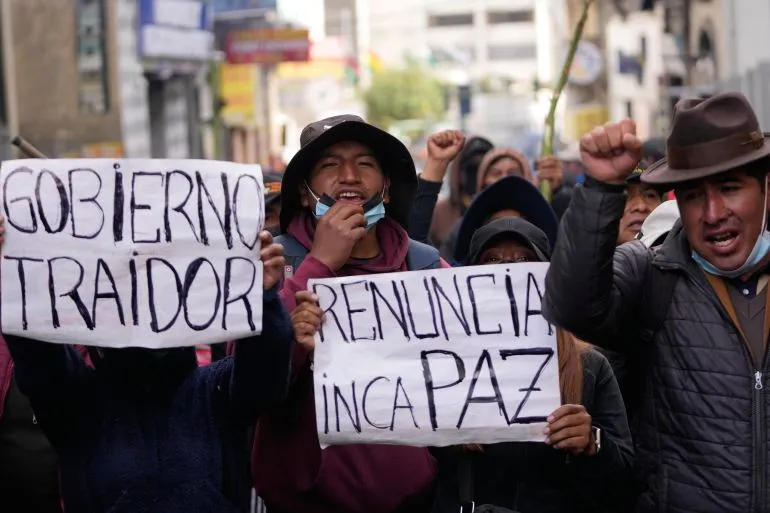
For ordinary Bolivians caught in the middle, the immediate concern is not who wins the political standoff - it is whether the country can stabilize quickly enough to prevent deeper economic damage from prolonged disruption.
The world is watching. Probably not as closely as Bolivia's neighbors, who have their own complicated feelings about regional instability, but watching nonetheless.
Source: Al Jazeera