Chinese manufacturers are continuing to push into overseas markets despite a more turbulent global environment, as narrowing domestic profit margins and surplus production capacity leave companies with little choice but to expand abroad, according to reporting by the South China Morning Post.
The trend, part of a broader strategic shift sometimes described as China Inc.'s next phase of "going global," is being tested by geopolitical instability, including the ripple effects of conflict in the Middle East.
One example highlighted in the report involves Lawrence Wong, a manufacturer who decided to establish a toy factory in Vietnam last year. His initial plan called for 600 square metres of floor space by early 2026, a modest but deliberate start to building production capacity outside mainland China.
Wong's approach reflects a wider pattern among Chinese business owners who are seeking to diversify their manufacturing base and access markets that offer better margins or fewer trade barriers than those increasingly imposed on Chinese goods in Western economies.
Domestic pressures driving the push outward
The South China Morning Post's reporting identifies two core forces behind the overseas expansion wave: shrinking profits at home and a domestic manufacturing sector that has grown faster than Chinese consumers or export markets can absorb.
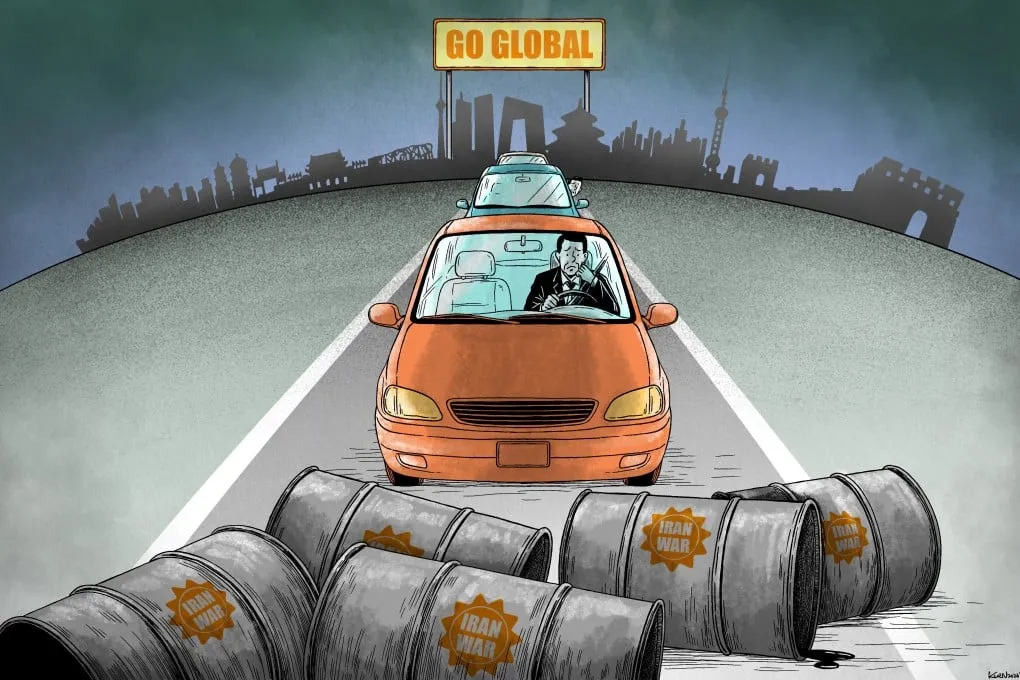
These conditions have made international expansion less of an opportunity and more of a necessity for many firms. Countries across Southeast Asia, the Middle East, Africa, and Latin America have become frequent destinations as Chinese companies look for cost advantages, access to raw materials, or proximity to new consumer bases.
A more complex landscape abroad
The international environment Chinese companies are entering has grown considerably more complicated in recent years. Ongoing conflict involving Iran has added uncertainty to supply chains and market planning in parts of the Middle East, forcing some manufacturers to revise their expansion timelines or redirect investment toward more stable regions.
Trade policy scrutiny in the United States and Europe has also pushed Chinese firms to consider establishing production in third countries, partly to navigate tariffs and import restrictions that target goods made in China directly.
The South China Morning Post frames this moment as a new chapter in China's outward investment story - one shaped not just by economic ambition but by a need to adapt to a fragmented and unpredictable global order.
How successfully Chinese manufacturers manage this recalibration is expected to have significant implications for global supply chains, trade flows, and the economies of the countries where they choose to plant roots.