Colombia heads to the polls this Sunday in a presidential election that might be the most thankless job interview on the planet. Whoever wins gets to be president of a country where decades of conflict have made endemic violence less of a policy challenge and more of a permanent feature of the landscape - like the Andes, but deadlier.
According to reporting by Eliza Herbert and Antoine Fenaux for France 24, the election to determine the successor of current President Gustavo Petro is unfolding against a backdrop of escalating attacks by armed groups, who appear to be doing their own kind of campaigning - just with guns instead of pamphlets.
What's actually at stake
Colombia's history with armed conflict is long, complicated, and exhausting even to summarize. Guerrilla organizations, paramilitary groups, and drug trafficking networks have taken turns - and sometimes teamed up - to make governance an extreme sport for successive administrations. Petro himself came into office promising a policy of "total peace," with mixed results.
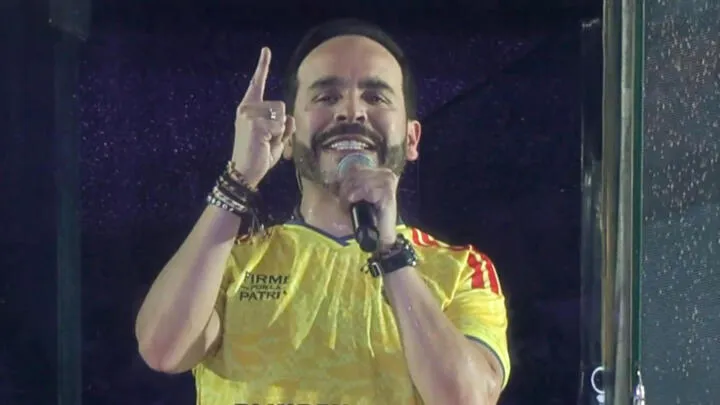
Now, with the campaign in full swing, each candidate is rolling out their own vision for how to tackle the violence question. The proposals range across the political spectrum, reflecting just how deeply divided Colombians are on whether to negotiate, confront, or somehow do both at once with armed actors who have been around longer than most of the candidates have been in politics.
Armed groups: not subtle about their feelings
The uptick in attacks by armed groups during the campaign period is, to put it diplomatically, a statement. Whether it's a negotiating tactic, a show of strength, or just Tuesday in certain parts of the country is a matter of interpretation. What is not up for debate is that the next president will have to deal with this reality from day one.
France 24 notes that violence is the central issue of this campaign - not as one topic among many, but as the defining challenge that shapes everything from economic development to rural livelihoods to basic safety for millions of Colombians.
So who's going to fix it?
That is the multi-billion-dollar question - or rather, the question that has stumped Colombian presidents for generations. Sunday's vote won't end the conflict, but it will determine what strategy the country bets on next. Colombians, ever resilient and occasionally optimistic, will show up to cast their ballots anyway.
Results and continued coverage are expected through France 24 and international outlets as the vote unfolds.