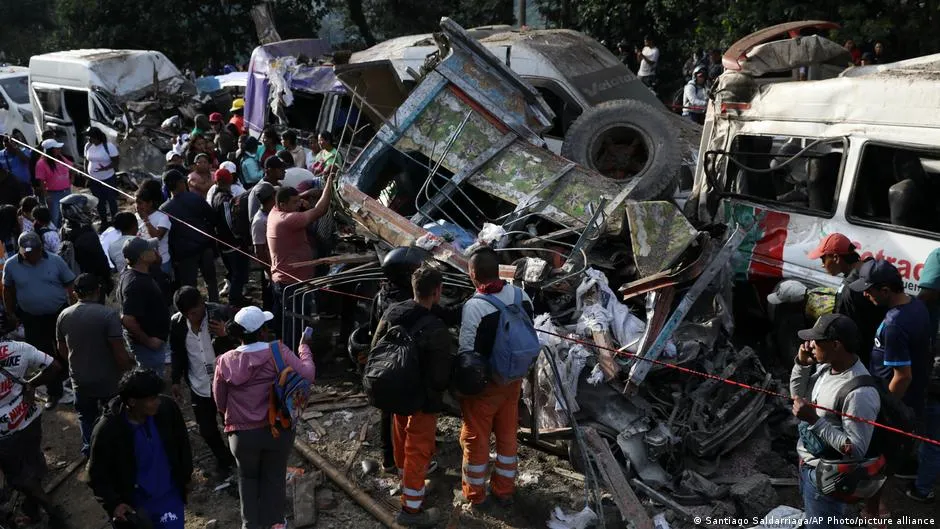
A deadly bomb attack on the Pan-American Highway in southwest Colombia has killed at least 19 people, in what appears to be one of the most devastating guerrilla strikes the country has seen in recent memory, according to reporting by Deutsche Welle.
Suspected guerrilla fighters are believed to be behind the explosives attack, which targeted the iconic highway that stretches across the Americas like the world's most ambitious road trip - except this stretch has become anything but a leisurely drive.
A region already on fire
The attack did not happen in a vacuum. Southwest Colombia has been gripped by surging violence over the days leading up to the bombing, painting a grim picture of a region that is rapidly sliding back into the kind of instability that plagued the country for decades during its long-running internal conflict.
The Pan-American Highway, which serves as a critical artery for commerce, transport, and daily life across the region, has now become a symbol of just how fragile security remains in parts of rural Colombia - despite years of peace negotiations and government efforts to rein in armed groups.
Who is responsible?
Authorities have pointed the finger at guerrilla factions, though no group has officially claimed responsibility at the time of reporting. Colombia is home to several active armed organizations, including dissident factions of the former FARC rebel group and the ELN (National Liberation Army), both of which have been known to carry out attacks on infrastructure and civilian targets in rural areas.
The Colombian government has been engaged in on-and-off peace talks with some of these groups, but incidents like this one have a nasty habit of blowing those efforts up - figuratively and, in this case, quite literally.
The human cost
Nineteen people dead on a highway. Not a battlefield, not a military installation - a road. The kind of road people use to get to work, visit family, or move goods from one town to another. That detail alone underscores why attacks like this one carry such a profound psychological weight beyond the immediate death toll.
International observers and human rights groups are likely to call for accountability, while the Colombian government faces renewed pressure to demonstrate it has meaningful control over conflict-affected regions.
For now, southwest Colombia remains on edge, and the Pan-American Highway - meant to connect a continent - has once again become a front line.
Source: Deutsche Welle