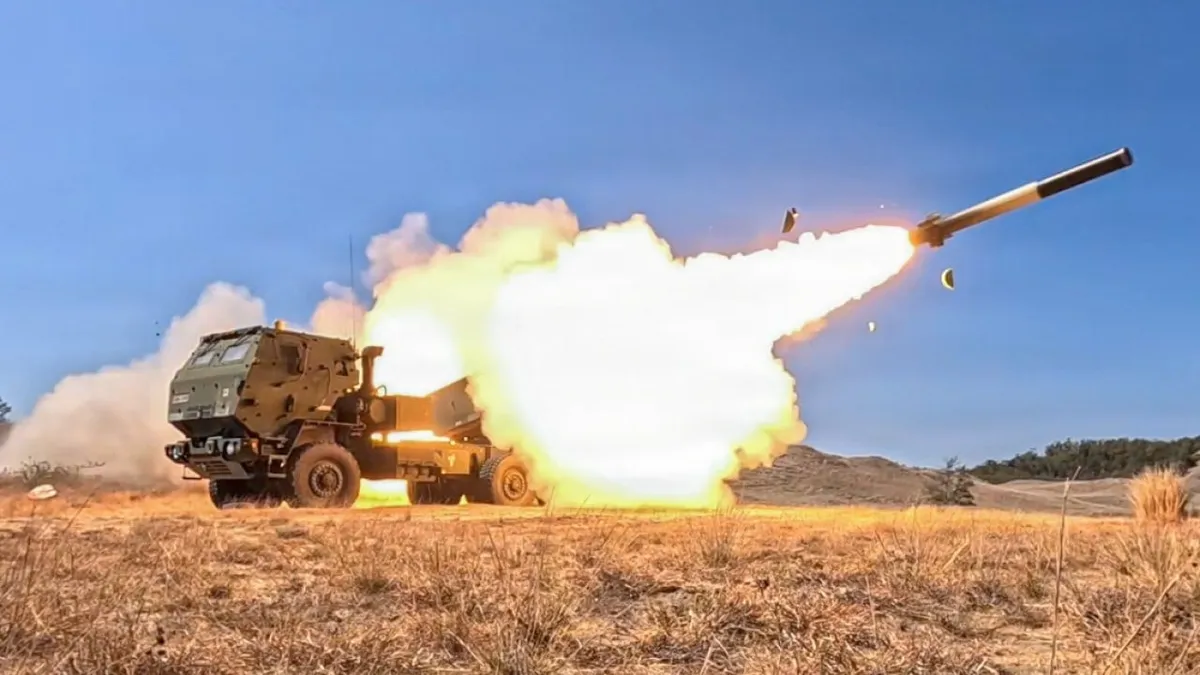
If you ever needed proof that military exercises have evolved well beyond pushups and obstacle courses, look no further than the grand finale of Balikatan 2026, where American, Japanese, and Filipino forces essentially threw a fireworks show - except the fireworks cost millions of dollars and travel at subsonic speeds toward things nobody wants anymore.
The numbers that matter
According to reporting by the South China Morning Post, Japan's Type 88 surface-to-ship missile needed less than six minutes to locate and strike a decommissioned Philippine warship positioned 75 kilometers off the coast of Ilocos Norte, in the far northern Philippines. That is, for context, roughly the time it takes to argue about what to watch on Netflix.
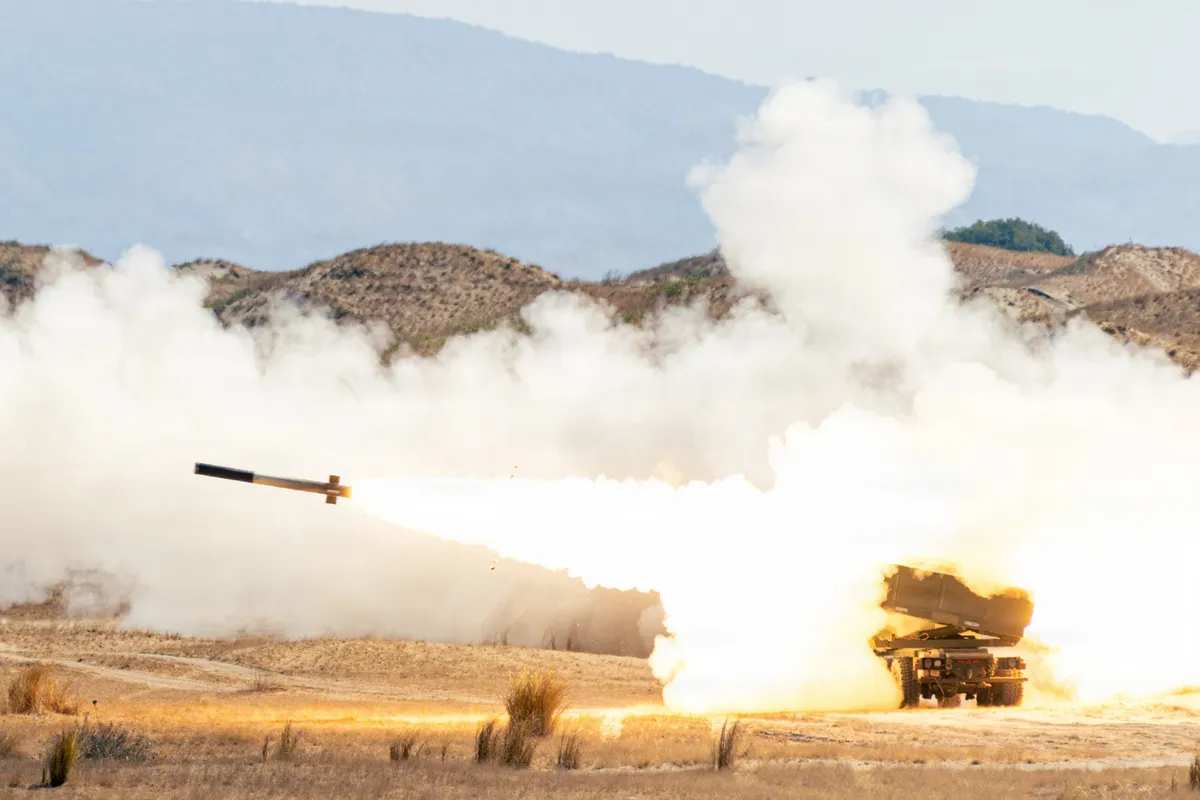
The Americans, never ones to be outdone in sheer range, contributed a Tomahawk cruise missile that traveled approximately 630 kilometers to hit its own designated target. The Tomahawk took considerably longer to arrive - distance will do that - but the message was arguably louder for it.
Why northern Philippines specifically?
The geography here is doing a lot of heavy lifting. Ilocos Norte sits at the northernmost tip of Luzon, placing it closer to Taiwan than most people realize, and squarely within the strategic zone that military planners have been eyeing with increasing seriousness as tensions in the South China Sea and Taiwan Strait continue their slow simmer.
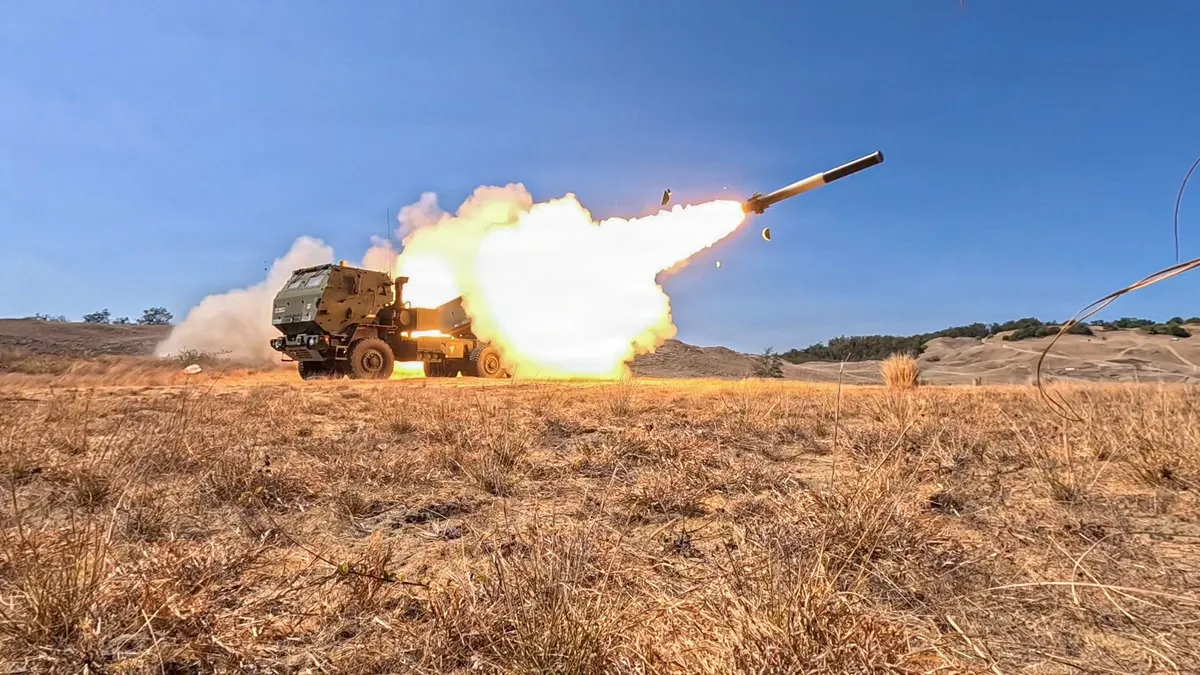
Analysts quoted by the South China Morning Post described the combined missile salvo as a deliberate demonstration of resolve from all three nations - a three-way handshake delivered via high-explosive ordnance rather than a press release.
A growing three-way alliance nobody officially calls an alliance
Balikatan - Tagalog for "shoulder to shoulder" - has been an annual US-Philippines affair for decades, but Japan's increasingly active participation marks a notable shift. Tokyo has been gradually loosening its post-World War II constitutional constraints on military activity, and showing up to fire missiles at a Philippine warship alongside American forces is about as unambiguous a signal as you can send without actually saying anything on the record.
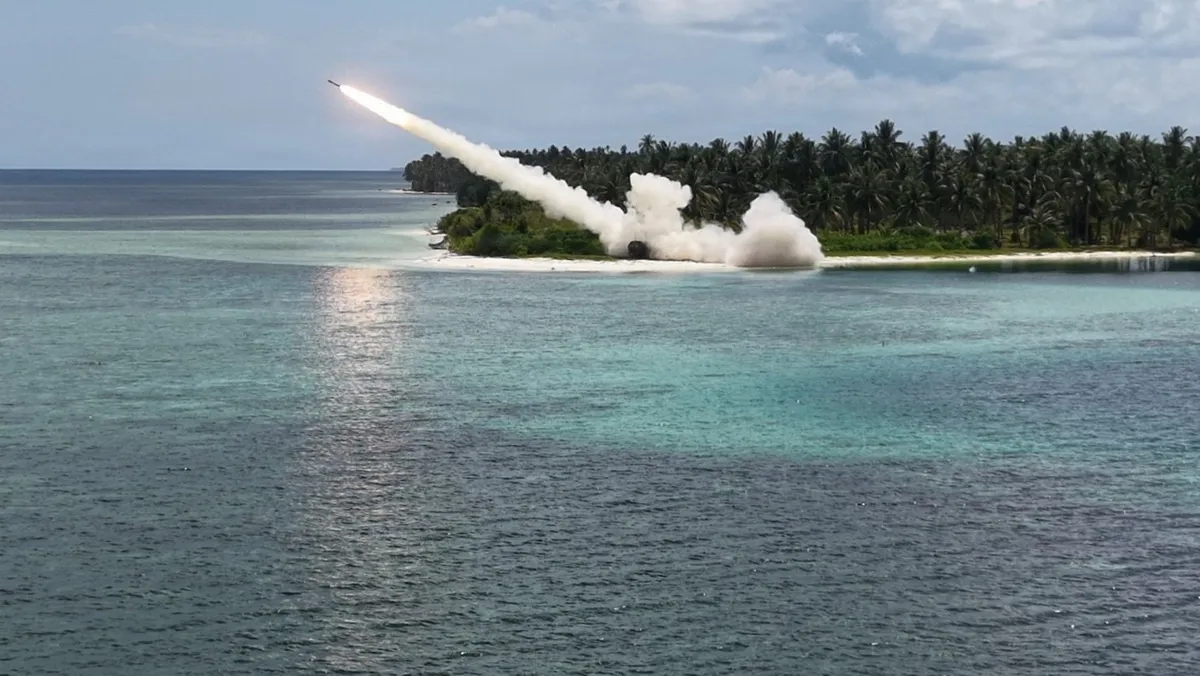
China, which claims the vast majority of the South China Sea despite international tribunal rulings to the contrary, has consistently objected to these exercises as destabilizing. Beijing's objections have, historically, not slowed things down.
Bottom line
Three nations, two missiles, one very ex-warship, and a message delivered in the clearest possible language to anyone within satellite imagery range. Balikatan 2026 has concluded. The South China Sea has not gotten any less complicated.