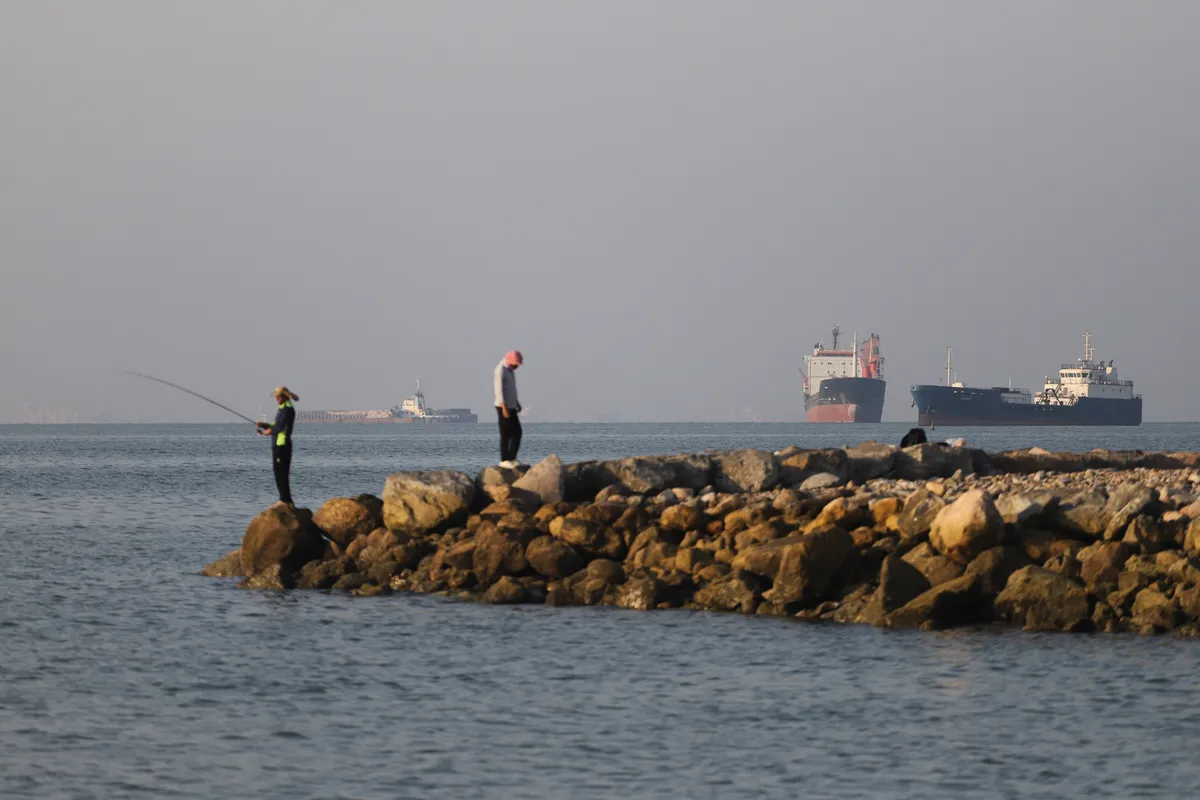
If you were hoping that Trump's triumphant "start your engines" declaration after a tentative deal with Iran would immediately unclog one of the world's most critical shipping chokepoints, well - buckle up, because the engines are very much still idling.
According to reporting by NPR, Iran's grip on the Strait of Hormuz - the narrow waterway through which roughly 20% of the world's oil supply passes - caused serious global economic pain during the months-long conflict involving the U.S. and Israel. And despite a tentative deal now being on the table, significant questions remain about what actually happens next in that critical corridor of water.
Why the Strait of Hormuz is basically the world's most stressful tollbooth
For those who skipped geography class, the Strait of Hormuz is an approximately 21-mile-wide passage between Iran and Oman connecting the Persian Gulf to the open ocean. Iran sits on one side and has historically used - or threatened to use - its proximity to the strait as a geopolitical pressure valve. When tensions spike, global oil markets get the shakes. When tankers get nervous, your gas prices feel it almost immediately.
The months of conflict preceding this tentative deal reportedly saw Iran's control of the strait translate into real, tangible suffering for global shipping and energy markets - a not-so-subtle reminder that geography is still very much a superpower.
So what does the deal actually fix?
That's the fun part - nobody seems entirely sure yet. While Trump's breezy "start your engines" framing suggested an imminent return to smooth sailing, NPR's reporting makes clear that the deal's practical implications for the strait remain murky. A tentative agreement existing on paper and tankers actually feeling safe enough to transit freely are two very different things.
Shipping companies, energy traders, and the many nations that depend on Gulf oil exports are all watching closely to see whether this diplomatic development translates into any real change in conditions on the water - or whether the Strait of Hormuz remains the geopolitical equivalent of a speed bump the size of a small country.
The bottom line
Diplomacy is often announced with fanfare and implemented with a long, awkward silence. The tentative Iran deal might be a genuine turning point, or it might be the beginning of a very complicated negotiation about what "deal" actually means in practice. For now, those engines Trump mentioned are running on caution rather than confidence.
As NPR notes, the questions surrounding the key waterway are far from resolved - and until they are, the global economy will keep one nervous eye on a very small stretch of very important water.