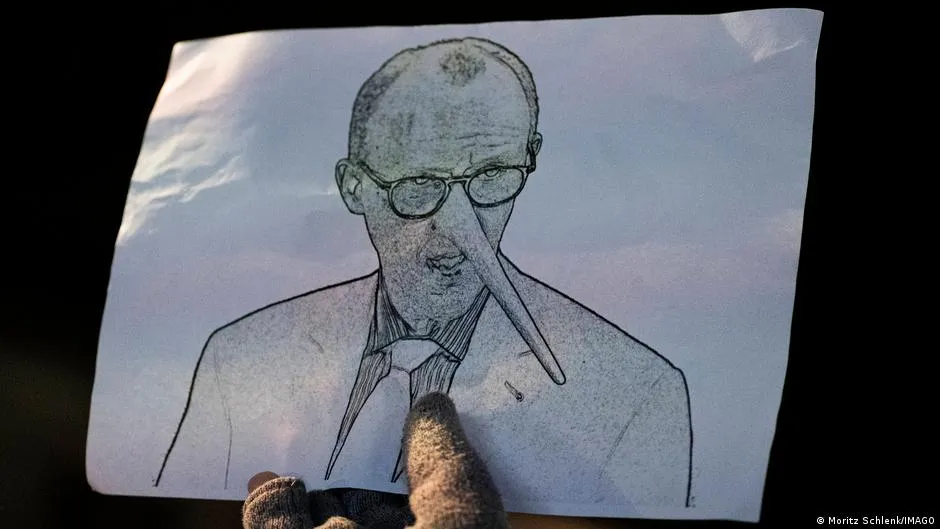
In most countries, calling a politician an idiot is practically a national sport. In Germany, however, it can technically land you in court. That might be about to change, according to a report by Deutsche Welle, as German lawmakers are seriously debating whether to scrap the country's special law that prohibits insulting public officials.
Wait, there's actually a law for this?
Yes, and it goes beyond standard defamation protections. Germany's penal code contains a specific provision shielding politicians and state representatives from insults - a rule that critics argue gives elected officials a layer of legal armor that ordinary citizens simply don't get. The result? A string of court cases that, by many accounts, have stretched from the mildly eyebrow-raising to the outright farcical.
Deutsche Welle reports that several government members now want to abolish the law entirely, arguing that the cases it has produced are widely seen as absurd and that public officials in a democracy should be able to withstand a bit of verbal heat from the people they represent. Free speech advocates would presumably agree enthusiastically.
But not everyone wants it gone
Before you fire up your most creative German insults, pump the brakes. There are those within the German government who argue the law still serves a legitimate purpose. The reasoning goes that politicians facing coordinated harassment campaigns or extreme rhetoric need some legal recourse beyond what ordinary defamation law provides. Given the current political climate across Europe - where online abuse of public figures has become something of a hobby for certain corners of the internet - that argument isn't entirely without merit.
So the debate essentially boils down to a classic tension: protecting democratic discourse from a chilling effect on criticism versus protecting democratic participants from abuse that might drive good people away from public life.
The absurdity problem
The strongest argument for scrapping the law appears to be its track record. When a legal protection designed for serious situations ends up generating cases that the general public considers ridiculous, it tends to undermine confidence in the justice system rather than strengthen it. Deutsche Welle highlights that this pattern of seemingly disproportionate prosecutions has become one of the central complaints driving the reform push.
Germany has perfectly functional defamation and slander laws that apply to everyone equally. Critics of the special provision argue that politicians don't need - and arguably shouldn't have - extra layers of protection that make them legally sturdier than the citizens who elected them.
Whether the law gets scrapped, reformed, or quietly kept on the books remains to be seen. In the meantime, perhaps German citizens should draft their best insults and hold them in reserve - just in case.