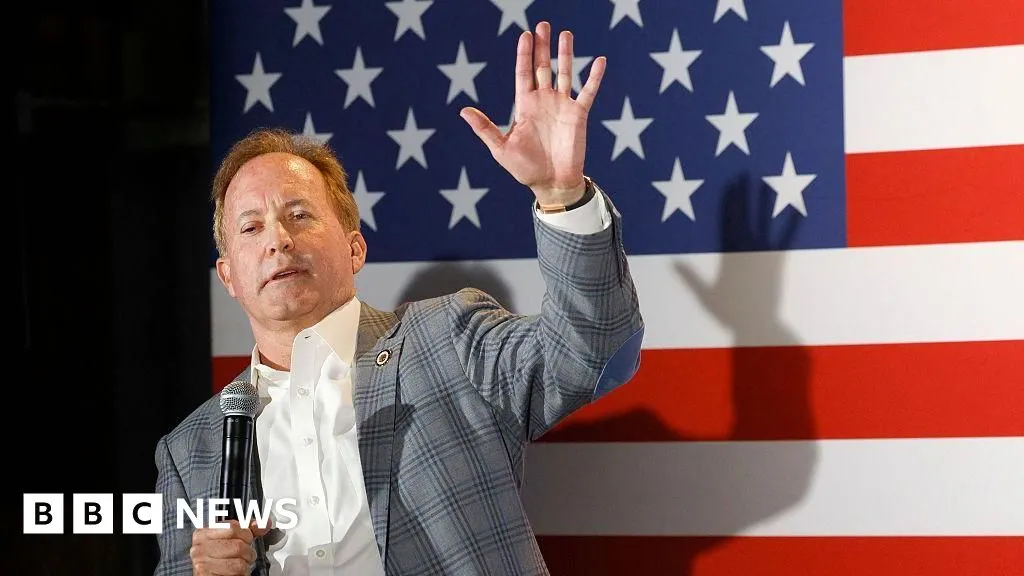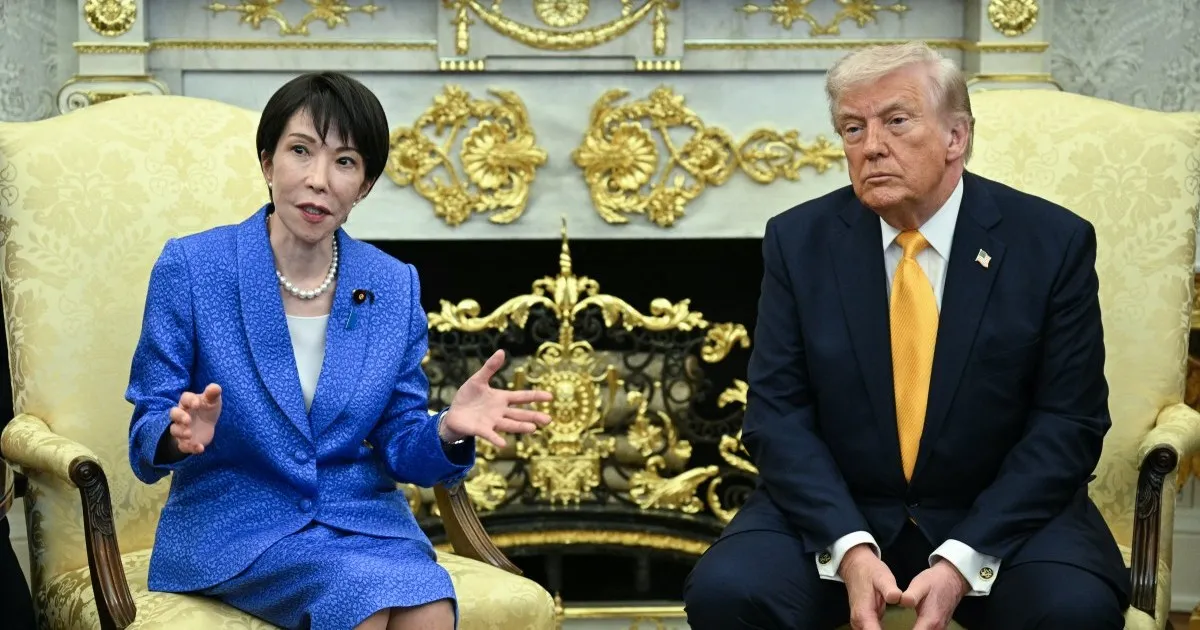
Another day, another Latin American country joining what is shaping up to be the most dramatic political pendulum swing the region has seen in years. Colombia has elected a new right-wing president with backing from Donald Trump, according to Foreign Policy, making it the latest domino to fall in a continental-scale shift away from the left-wing governments that dominated the early 2020s.
So who won?
The winner is a Trump-endorsed right-wing candidate, ending the tenure of sitting president Gustavo Petro - Colombia's first ever left-wing head of state, who had been in office since 2022. Petro's presidency was marked by ambitious but deeply controversial social and economic reforms, and apparently enough Colombians decided they had seen quite enough of that experiment, thank you very much.

The election result is being widely read as a rejection of Petro's policy direction and a broader appetite among Colombian voters for a harder line on security, economic stability, and relations with the United States.
The bigger picture: Trump's Latin America scorecard is looking pretty good
Colombia does not exist in a vacuum here. Foreign Policy frames this result as part of a broader regional trend, with multiple Latin American countries now having elected or moving toward right-wing leadership with varying degrees of alignment to Trump's political brand. The ideological "pink tide" that once seemed unstoppable - think Petro in Colombia, Lula in Brazil, Boric in Chile, and others - is looking considerably less pink these days in several capitals.

Whether this is a genuine ideological realignment or simply voter frustration with incumbents who overpromised and underdelivered is, predictably, a matter of fierce debate among political analysts.
What does this mean for Colombia specifically?
Colombia is not just any country on the geopolitical chessboard. It is the United States' closest traditional ally in South America, a major player in drug policy and security cooperation, and a country with an extraordinarily complex internal conflict history. A government friendlier to Washington is likely to shift the tone on all of those fronts fairly quickly.

Relations between Petro and the Trump administration had been, to put it diplomatically, frosty - at one point even descending into a public spat over deportation flights that briefly threatened a trade war. That particular drama appears to be headed for the archives.
The bottom line
Colombia joining the rightward column is a significant data point in the ongoing story of Latin American politics. Whether this new government can actually deliver on whatever it promised voters - the eternal stumbling block for every newly elected administration everywhere on earth - remains to be seen. But for now, the map has changed again.