Iran is out here playing bouncer at the world's most consequential body of water, and honestly, the audacity is kind of impressive. According to reporting by France24, Tehran has partially reopened the Strait of Hormuz - through which roughly 20% of the world's oil supply passes - but only for vessels that follow strict authorization procedures and stick to designated routes. No VIP pass, no entry.
The world's most expensive toll booth
This move is not subtle. Iran is essentially waving a giant, oil-soaked flag at Washington right before a new round of nuclear talks, signaling that it still holds real cards in this very high-stakes poker game. The Strait of Hormuz has long been Tehran's trump card in diplomatic standoffs, and right now they are playing it with the confidence of someone who just drew four aces.
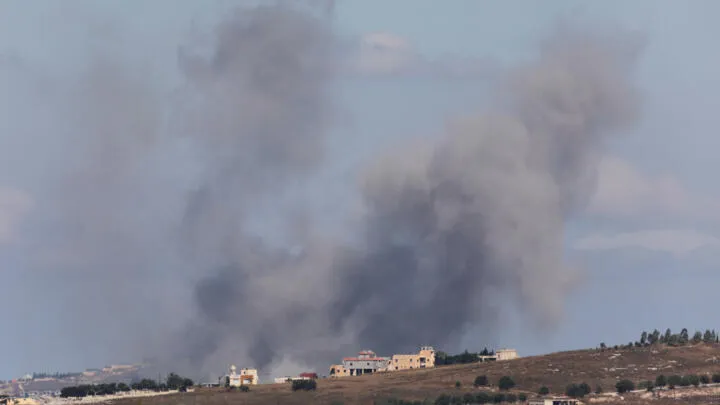
Pakistan has reportedly been working to organize the next round of negotiations between Iran and the United States, taking on a sort of reluctant mediator role in what has become one of the most exhausting diplomatic sagas of the 21st century. Good luck to them.
Same demands, louder voice
Iranian officials, per France24, are sticking firmly to their position: sanctions must be lifted, full stop. They have also flatly rejected American demands to halt nuclear activities, which - depending on who you ask - is either a principled stand or a world-class negotiating bluff.
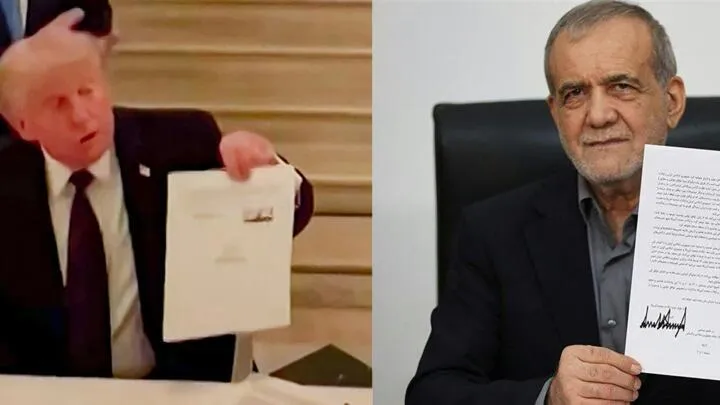
Meanwhile, both sides continue applying pressure through the two tools they know best - military posturing and economic threats. The US maintains its sanctions regime while keeping naval assets in the region. Iran keeps its hand on the Hormuz lever. Classic.
Why this actually matters for your gas bill
This is not just geopolitical theater. The Strait of Hormuz is the jugular vein of global energy markets. Any serious disruption there sends oil prices spiking, which eventually shows up at fuel pumps worldwide. The partial restrictions Iran has already imposed are enough to rattle shipping insurers and energy traders, even before anything dramatic actually happens.
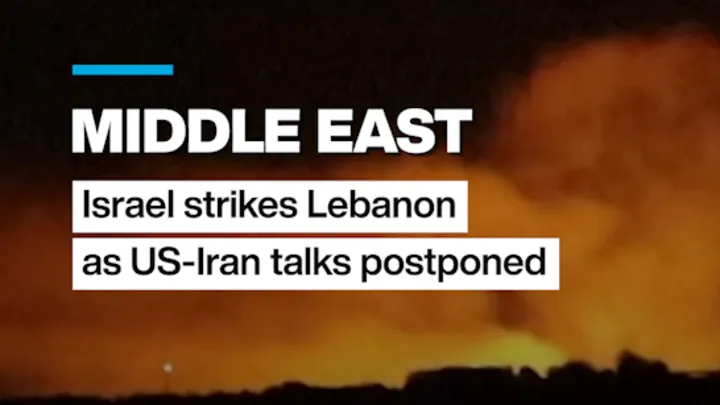
The broader picture, as France24 frames it, is a standoff where neither side wants full escalation but both want maximum leverage going into talks. Iran gets to demonstrate control over a critical chokepoint. The US gets to remind everyone it has a carrier group nearby. And the rest of the world gets to nervously refresh oil price trackers.
Whether Pakistan's diplomatic efforts result in any meaningful progress remains to be seen. But Tehran has made one thing crystal clear - it intends to show up to the negotiating table from a position of strength, not desperation.