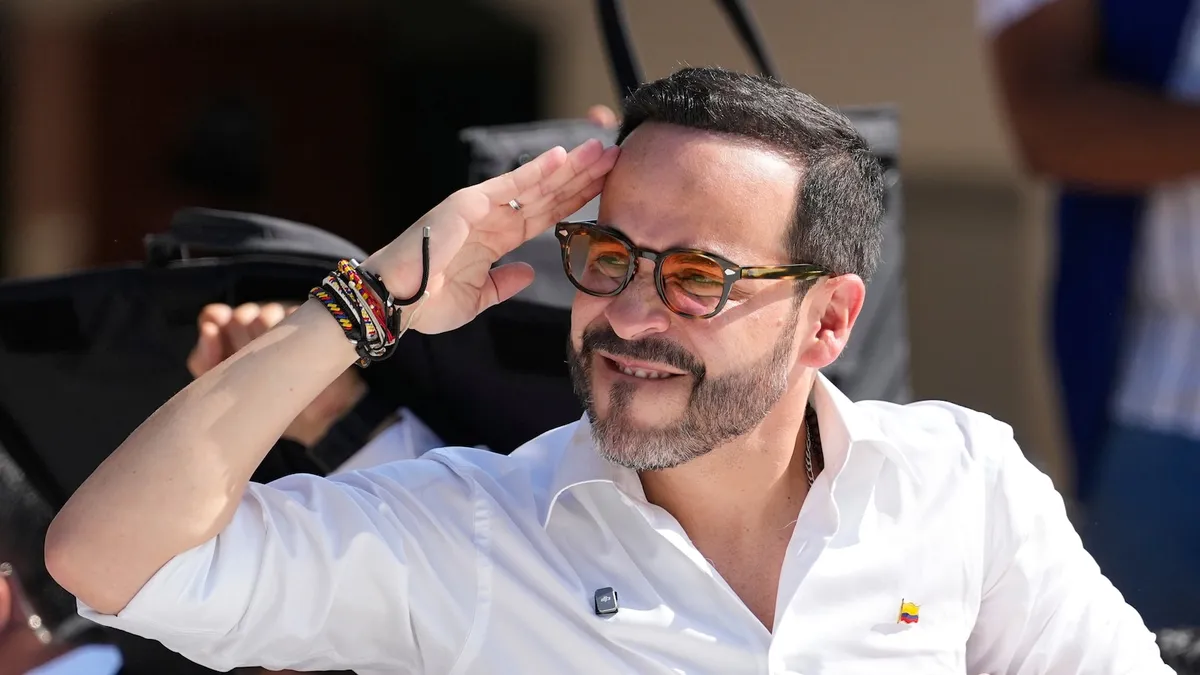
Nothing says "free and fair elections" like armed rebel groups allegedly telling voters who to pick. Colombian presidential hopeful Abelardo de la Espriella has formally urged prosecutors to investigate what he claims is a coordinated voter coercion effort by rebel factions - allegedly in favor of rival candidate and current senator Iván Cepeda, according to a report by ABC News.
What is actually being claimed here?
De la Espriella, who is positioning himself as a candidate for Colombia's 2026 presidential race, alleges that guerrilla groups are pressuring voters in certain regions to back Cepeda, a left-wing politician and member of the ruling Pacto Histórico coalition led by President Gustavo Petro. De la Espriella has taken his concerns directly to Colombian prosecutors, asking them to formally look into the matter.
It is critical to stress that these are allegations made by a political rival, not confirmed findings. No independent body has verified the claims, and Cepeda has not been formally implicated in any wrongdoing at this stage.
Why this matters beyond the headlines
Colombia has a long and deeply painful history with armed groups interfering in political processes. The country spent decades navigating the influence of FARC guerrillas, paramilitary organizations, and drug cartels on local and national politics - a reality that the 2016 peace deal with FARC was supposed to help dismantle. Dissident factions, however, remain active in various parts of the country.
Allegations of rebel-backed electoral interference are therefore never taken lightly in Colombia, and the mere suggestion of such activity tends to send shockwaves through the political establishment.
The broader political context
Colombia is heading into a heated pre-election cycle. President Petro, himself a former M-19 guerrilla member turned politician, has been a polarizing figure, and the 2026 presidential race is shaping up to be a significant ideological battleground. Cepeda, a close political ally of Petro, is one of several figures from the governing coalition expected to compete.
De la Espriella's move to involve prosecutors could be a genuine legal concern - or, cynically speaking, a very effective way to generate headlines and cast a shadow over a political opponent. Probably a little bit of both, if history is any guide.
Prosecutors have not yet confirmed whether a formal investigation will be opened, and neither Cepeda's camp nor Colombian government officials have issued public responses to the allegations as of the time of reporting, per ABC News.
Watch this space
With elections still in the distance, this story is either the opening salvo of a major political scandal or an elaborate campaign maneuver. Either way, Colombian voters - and the international community - will be watching closely to see whether prosecutors bite.