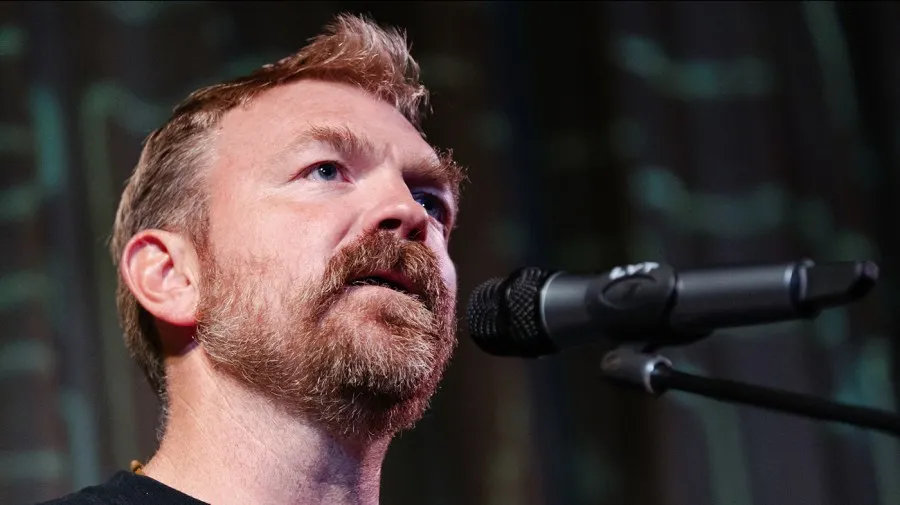
Maine Democrats have found their champion, and his name is Graham Platner - a progressive political outsider who now carries the weight of the party's hopes in its bid to unseat one of the most durable Republicans in the Senate, Sen. Susan Collins.
The consolidation happened after Gov. Janet Mills quietly exited the race Thursday, according to reporting by The Hill. Mills, who is term-limited as governor, had jumped into the primary late last year at what was reportedly the urging of Senate Minority Leader Chuck Schumer (D-NY). But the campaign never quite caught fire, leaving Platner as the last man standing on the Democratic side.
So who exactly is Graham Platner?
Platner is not your typical Chuck Schumer-approved, consultant-vetted, carefully packaged Senate candidate - and that might actually be the point. He is a progressive outsider, the kind of candidate that the Democratic establishment has historically treated like a weird cousin at Thanksgiving: tolerated, but not exactly celebrated.
Now, with Mills out of the picture, that same establishment appears to be warming up to him with the urgency of people who just realized the party is starting in twenty minutes.

Can anyone actually beat Susan Collins?
Collins is a genuinely formidable opponent. She has survived wave elections, presidential chaos, and years of "this is finally the cycle she loses" takes from political pundits who probably jinxed her on purpose at this point. The Maine senator has a brand built on moderation and independence that plays extremely well in a purple state, even as her actual voting record draws fire from the left.
Democrats have tried - and failed - to knock her off before. In 2020, Sara Gideon raised a mountain of money and still lost by nearly nine points. That race became something of a cautionary tale about nationalizing a Maine Senate race and burning donor cash at an alarming rate.
The outsider's long shot
Platner enters this race as a clear underdog, but Democratic coalescence around a single candidate at least spares the party a bruising primary. Whether his progressive profile plays well enough in Maine - a state that just re-elected a Republican governor and has an independent streak wider than Acadia National Park - remains the central question.
One thing is certain: with Schumer reportedly invested in flipping the seat and Collins already in the crosshairs, this race will attract national money, national attention, and approximately seventeen thousand hot takes between now and November 2026.
Buckle up, Maine. The rest of the country is about to care very loudly about your Senate seat again.