The death of a young Aboriginal girl known publicly as Kumanjayi Little Baby has ignited widespread anger across Australia, prompting renewed scrutiny of how the country's welfare and child protection systems serve Indigenous communities.
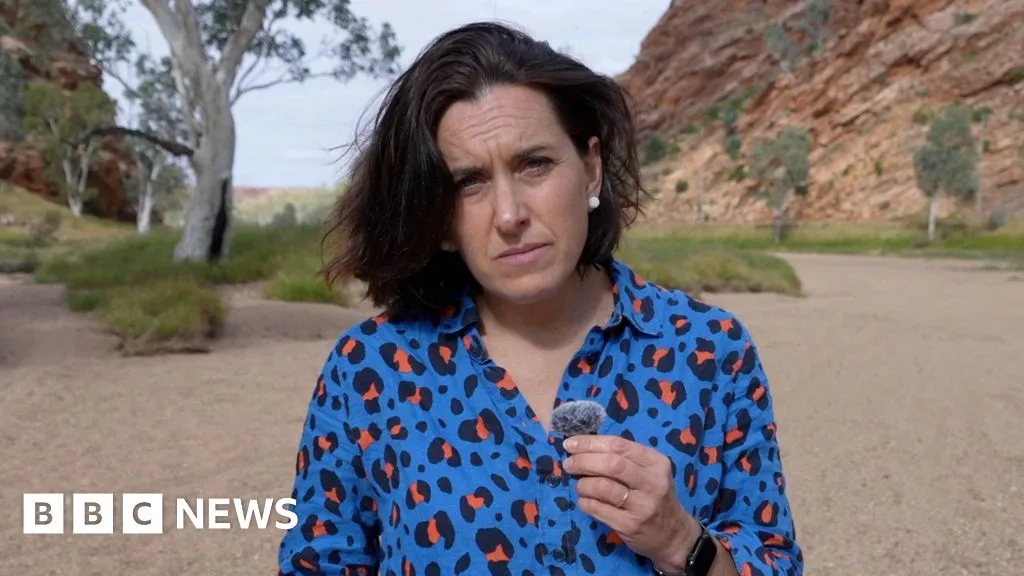
The BBC's Katy Watson has reported on the case, highlighting both the circumstances surrounding the infant's death and the significant cultural sensitivities that have shaped public reaction to it.

Cultural context and naming conventions
In many Aboriginal communities, it is customary not to use the given name of a person who has died, particularly in the period following their death. The name Kumanjayi is commonly used as a placeholder in such cases across several Aboriginal language groups in Australia, reflecting deep cultural protocols around death and mourning. The addition of "Little Baby" is a further indication of the child's young age.
This naming practice is one of several cultural factors that observers say must be understood when examining how the case has been handled by authorities and reported in the media.
Outrage and systemic concerns
The infant's death has fuelled broader debate about the adequacy of child protection services in remote and regional Aboriginal communities. Critics argue that systemic neglect, under-resourcing, and a failure to adequately engage with Indigenous families and communities have contributed to preventable deaths.
Australia has a long and troubled history regarding the welfare of Aboriginal children, including the legacy of the Stolen Generations - a period during which Indigenous children were forcibly removed from their families by government authorities. That history continues to inform how Aboriginal communities respond to interventions by state agencies.
Advocates and community leaders have called for greater investment in culturally appropriate support services, as well as more meaningful involvement of Indigenous communities in decisions that affect their children.
Broader implications
The case has reinvigorated calls for a thorough review of child protection frameworks as they apply to Aboriginal and Torres Strait Islander communities. Australia's Indigenous people remain among the most disadvantaged in the country across a range of social indicators, including health, housing, and contact with the justice system.
Government officials have faced pressure to respond to the public outcry, though specific policy commitments in the wake of this case had not been confirmed at the time of reporting.
Watson's reporting for the BBC underscores the intersection of grief, cultural identity, and institutional accountability that defines this case, and why it has resonated far beyond the local community where the child lived and died.