In a move that will thrill oil executives and baffle park rangers everywhere, the Trump administration has canceled a rule that formally recognized conservation as a legitimate use of public lands, according to reporting by The Guardian.
The scrapped regulation, adopted under President Joe Biden in 2024, was designed to give the Bureau of Land Management (BLM) - the agency that oversees roughly 245 million acres of taxpayer-owned land - a mandate to treat conservation with the same seriousness as industrial activities like drilling, logging, mining, and grazing.
So what exactly changed?
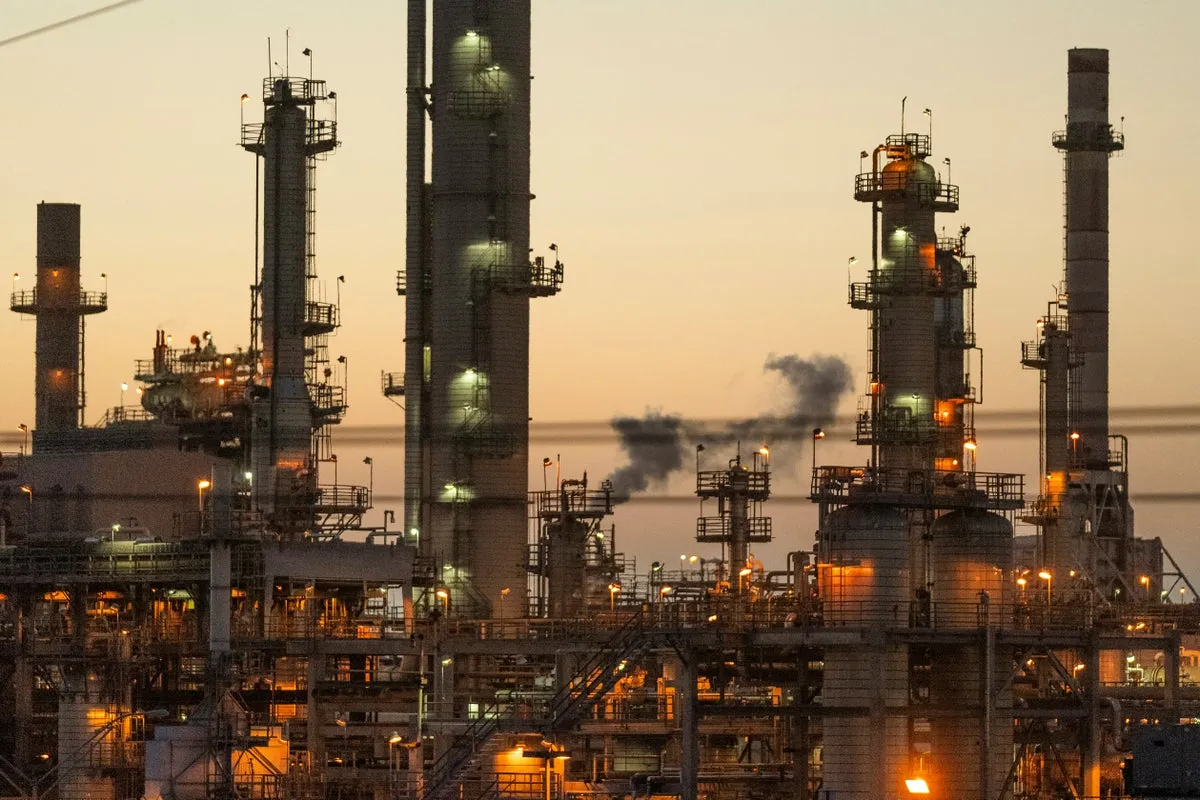
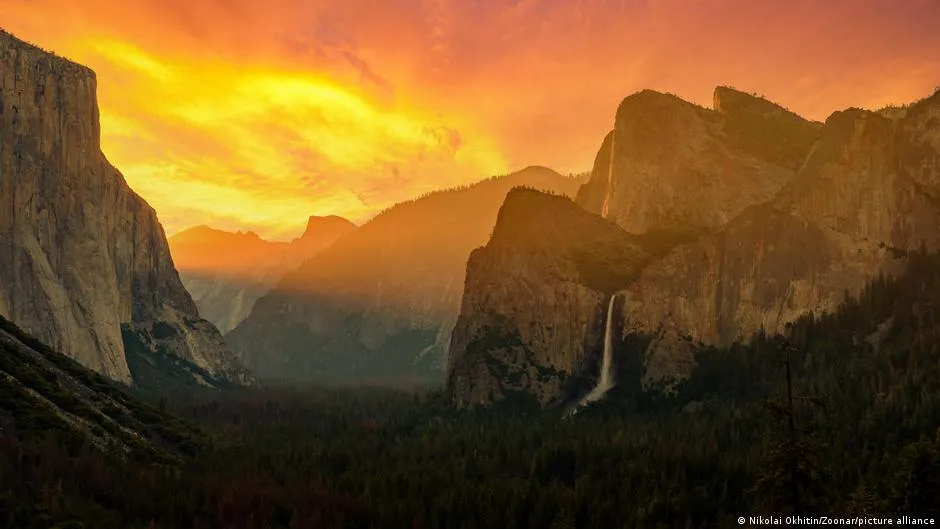
Under the Biden rule, protecting ecosystems and preserving natural landscapes was treated as a valid "use" of public land, meaning it could compete on equal terms with commercial interests when the BLM made decisions about what to do with American wilderness. The Trump Interior Department has now pulled the plug on that framework, clearing the path to prioritize extraction industries.
The move is part of a broader push by the current administration to roll back environmental regulations and maximize economic output from federal lands - a policy direction that fits squarely within Trump's stated agenda of energy dominance and deregulation.
Why this is actually a big deal
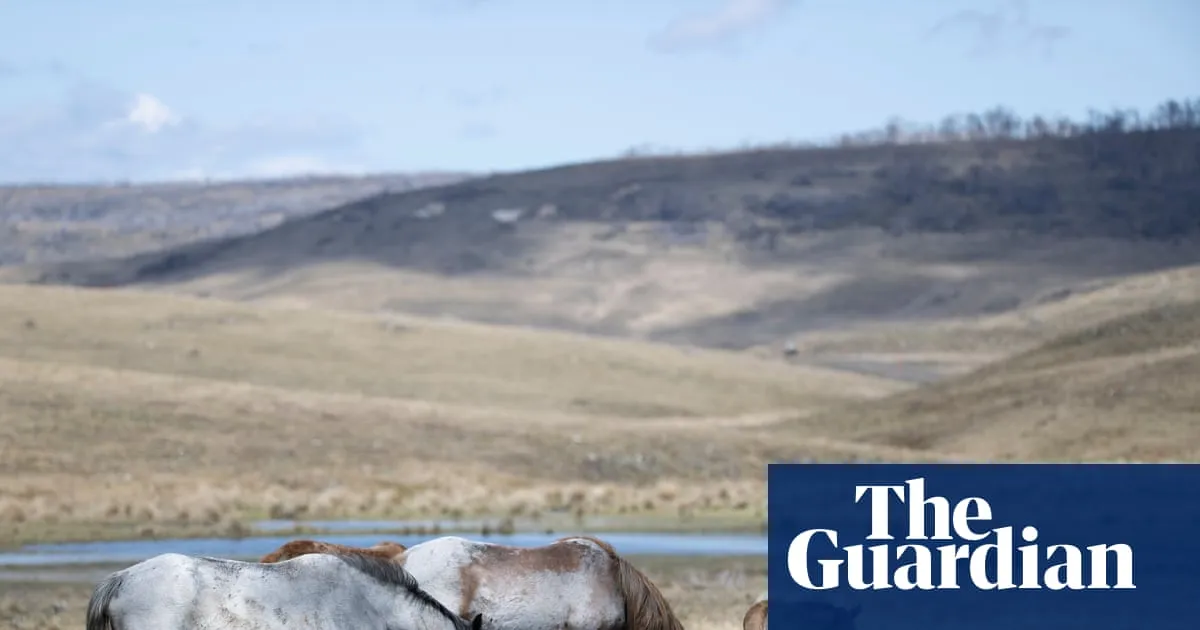
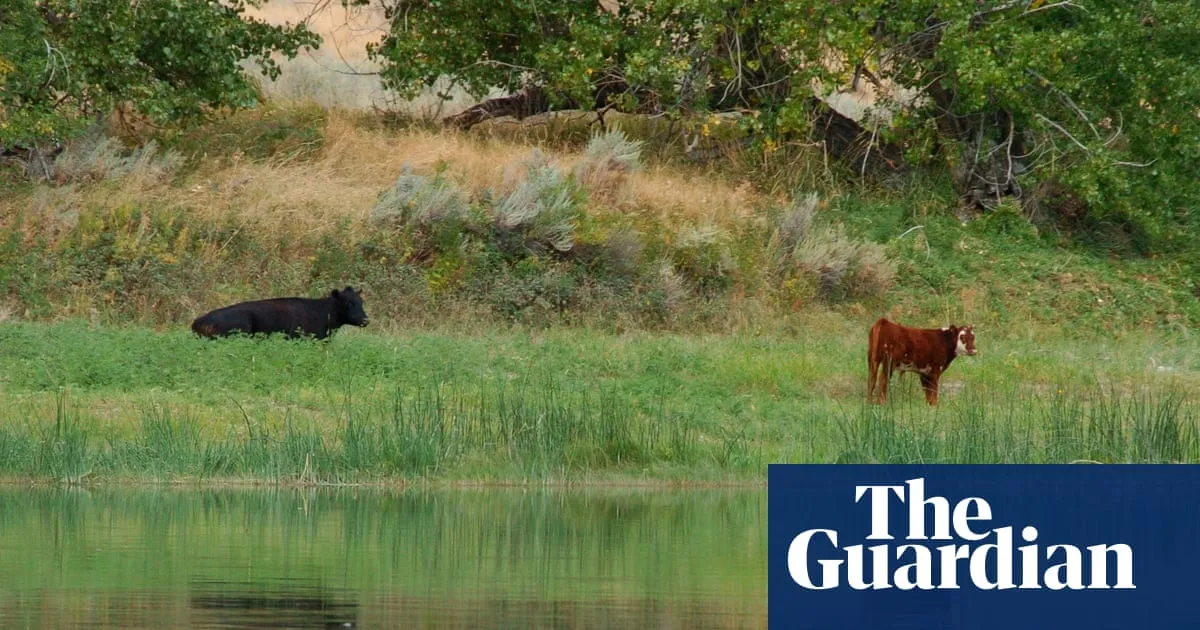
Public lands don't belong to any one industry - they belong to all Americans. The BLM manages land used for everything from cattle ranching to off-road recreation to critical wildlife habitat. The question of how the agency weighs competing interests has enormous consequences for biodiversity, water quality, and the climate.
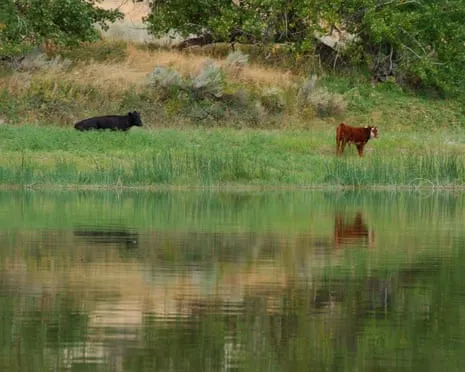
Conservationists argue that removing the equal-footing provision effectively puts a thumb on the scale in favor of industries that generate revenue, while the quieter, harder-to-monetize value of intact ecosystems gets left in the dust.
Critics of the Biden rule, meanwhile, had argued it gave federal bureaucrats too much power to block productive use of lands that could support jobs and energy production.
The bigger picture
This cancellation fits a clear pattern. Since returning to office, the Trump administration has moved aggressively to open federal lands to increased commercial activity - from fast-tracking drilling permits to relaxing logging restrictions. The rollback of the conservation rule is less a single dramatic policy shift and more the quiet removal of a guardrail that was only recently installed.
Whether that guardrail was protecting something priceless or just getting in the way depends entirely on who you ask - and increasingly, on which party they vote for.
Source: The Guardian