Turns out if you stop removing thousands of feral horses from a national park, the feral horses do not get the memo and politely decline to reproduce. Who could have predicted this.
New survey data from Kosciuszko national park in New South Wales shows feral horse - or brumby - populations surged by thousands after the NSW government paused aerial culling in 2025, according to reporting by The Guardian. Conservation advocates are now calling for an urgent reassessment of the park's retention zones, which legally permit large numbers of the animals to remain inside the park under a controversial 2018 law.
The numbers are not cute
The population rebound is significant enough that conservationists are arguing the current management framework is simply not working. Retention zones were established as a political compromise to appease groups who romanticise the brumby as part of Australian cultural heritage - think The Man from Snowy River energy - but ecologists have long warned that hooves and alpine ecosystems are a disastrous combination.
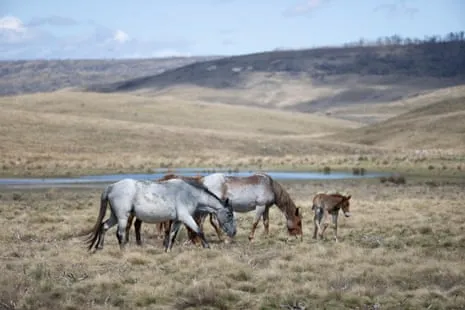
Feral horses in alpine areas cause serious damage to fragile vegetation, waterways, and soil through trampling and grazing. The Kosciuszko ecosystem, which hosts threatened species found nowhere else on Earth, is particularly vulnerable. This is not a small-stakes debate.
A policy pause with big consequences
The NSW government's decision to pause aerial culling in 2025 was contentious from the moment it was announced. Aerial culling had been reintroduced under former environment minister Matt Kean and proven effective at driving numbers down. Stopping it - even temporarily - handed the horses exactly the conditions they needed to bounce back.
Conservation groups are now pointing to the survey results as evidence that retention zones need to be reconsidered. The argument is straightforward: if the zones allow populations large enough to rebound this quickly when culling pauses, then the zones themselves are part of the problem.
The politics of a pretty horse
This is where things get messy. Brumbies occupy a strange emotional space in Australian culture - simultaneously an invasive pest that is wrecking one of the country's most ecologically significant national parks, and a symbol of colonial-era frontier mythology that some communities hold fiercely dear. Managing them has always been as much a political exercise as an ecological one.
Conservationists arguing for a rethink are not going to have an easy time of it. But with fresh survey numbers showing the population rebound is real and substantial, the pressure on the NSW government to act is building.
The horses, for their part, remain unavailable for comment.