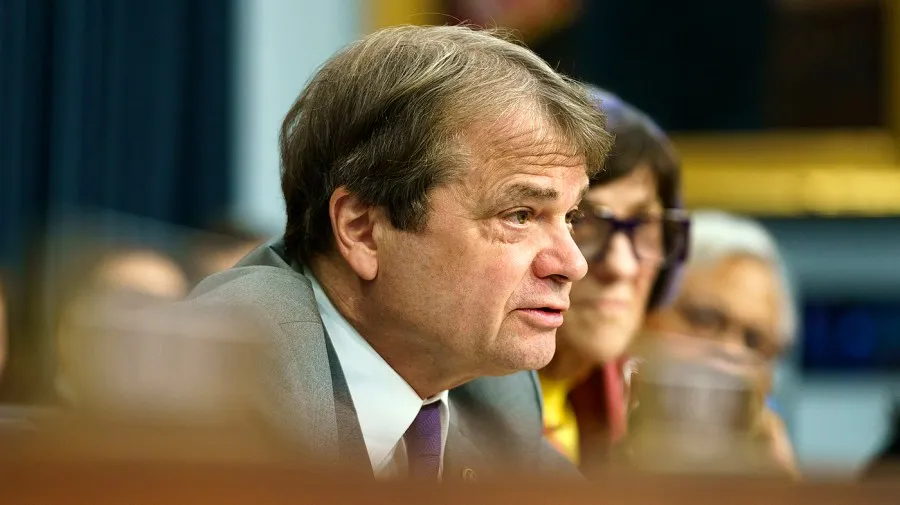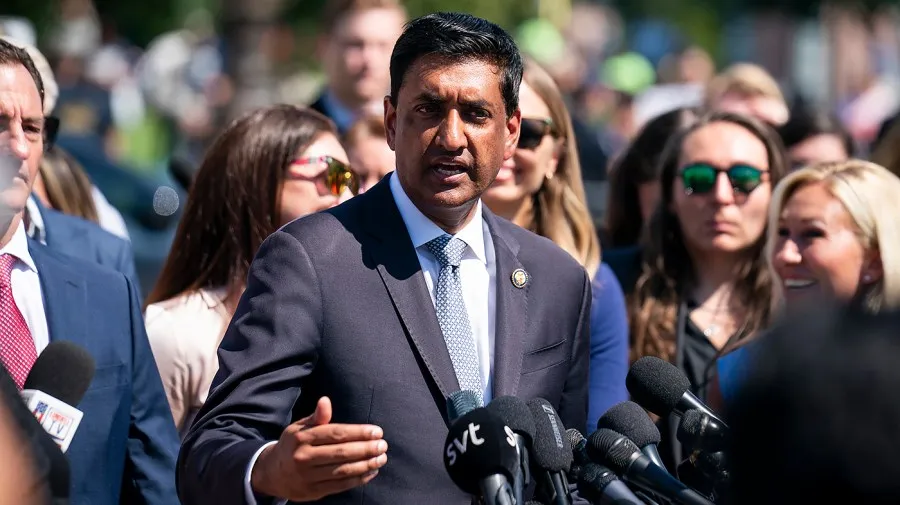
Rep. Ro Khanna (D-Calif.) called on lawmakers Sunday to establish a bipartisan national commission to address political violence in the United States, following a shooting at the annual White House Correspondents' Association dinner.
Khanna made the appeal during an appearance on NBC's "Meet the Press," telling host Kristen Welker that the incident at the prominent Washington event had shaken him.
"To see journalists like you and others ducking under tables was just horrifying," Khanna said.
The White House Correspondents' Association dinner is one of Washington's most high-profile annual gatherings, typically attended by journalists, political figures, and celebrities. A shooting in connection with the event drew widespread attention and renewed debate about the prevalence of political violence in the country.
A push for congressional action
Khanna's proposal would bring together members of both parties to examine the causes and scale of political violence in the United States, according to reporting by The Hill. The California Democrat framed the initiative as one requiring cooperation across party lines rather than a partisan response.
The call comes amid an ongoing national conversation about threats against public officials, members of the press, and attendees at public events. Several high-profile incidents in recent years have prompted similar discussions in Congress, though legislative action has often stalled.
Broader context
Proposals for national commissions are not uncommon following major incidents, but they face significant political hurdles. Such bodies require buy-in from both parties and typically need congressional authorization or executive action to move forward.
It was not immediately clear whether Khanna had secured support from Republican colleagues for the proposal, or whether House or Senate leadership had indicated any openness to the idea.
The shooting linked to the WHCA dinner underscored concerns among press freedom advocates about the safety of journalists, who have faced an increasing number of threats in recent years according to various press freedom organizations.
Khanna did not specify in his Sunday appearance what the commission's exact mandate or timeline would be, or how it would differ from existing federal efforts to track and counter domestic threats.