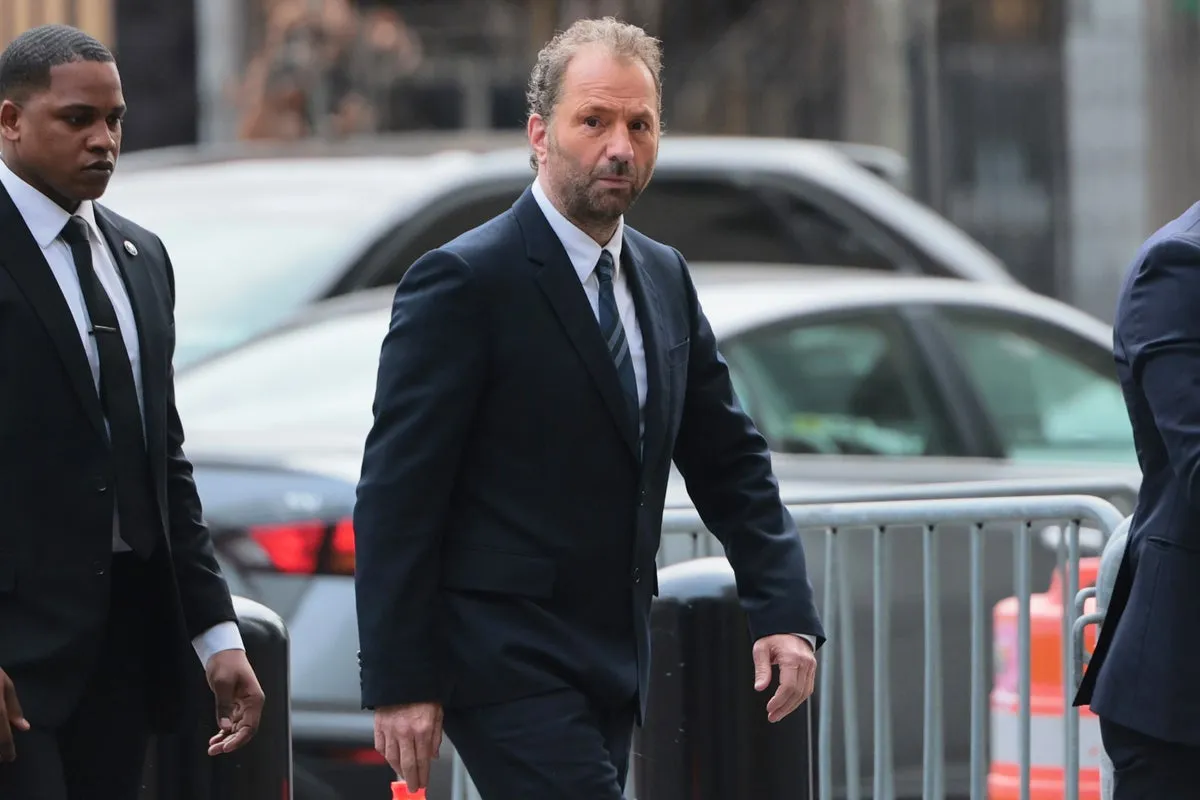
Four individuals connected to Audi - two former senior executives and two engineers - are set to face a lengthy trial over their alleged roles in the Dieselgate emissions scandal, after plea negotiations broke down, according to reporting by Deutsche Welle.
The case centers on the so-called Dieselgate affair, one of the largest corporate scandals in automotive history, in which Volkswagen Group and its subsidiaries, including Audi, were found to have installed software designed to cheat emissions tests on diesel vehicles. The manipulation allowed cars to appear compliant with environmental standards during testing while emitting far higher levels of pollutants in real-world driving conditions.
Failed negotiations push case toward full proceedings
The collapse of plea deal talks means the defendants are now likely facing a prolonged legal process. Plea agreements in German criminal proceedings can significantly reduce the duration and complexity of trials, but when such arrangements fail, courts typically proceed to full evidentiary hearings that can span months or even years.
The charges against the four individuals reflect ongoing efforts by German prosecutors to hold specific individuals accountable, rather than limiting consequences to corporate-level settlements and fines.
A scandal that continues to reverberate
The original Dieselgate scandal broke in September 2015 when United States regulators revealed that Volkswagen had used defeat devices in millions of diesel-powered vehicles sold globally. The fallout was swift and severe - the company paid billions of dollars in fines and settlements across multiple countries, and several executives faced criminal prosecution.
Audi, as a premium subsidiary of the Volkswagen Group, was found to have supplied some of the implicated engines. The brand faced its own wave of investigations and penalties as a result.
Despite years of legal proceedings, regulatory actions, and corporate restructuring, the scandal continues to produce criminal cases in Germany. The upcoming trial of the two former Audi bosses and engineers underscores that individual accountability remains an active pursuit for prosecutors, even a decade after the initial revelations.
Broader implications for the German auto industry
The German automobile sector has faced sustained reputational and financial pressure since Dieselgate first emerged. The industry has since pivoted heavily toward electric vehicle development, partly in response to the regulatory and public scrutiny triggered by the scandal.
The outcome of the Audi trial may carry implications beyond the four defendants, serving as a signal of how German courts weigh corporate misconduct at the executive level in major industrial cases.
No trial date has been publicly confirmed, according to the Deutsche Welle report, but the failure of plea discussions suggests court proceedings will be extensive.