
A jury has found Live Nation and its subsidiary Ticketmaster guilty of operating an illegal monopoly, delivering a significant legal blow to the entertainment industry giant that controls a vast share of the live events market in the United States, according to reporting by The Independent.
The verdict marks a major development in the ongoing scrutiny of Live Nation's dominance over concert ticketing, venue management, and artist representation - three interlocking segments of the live music industry that critics have long argued give the company an unfair stranglehold over competitors.
Executive apologizes for internal messages
Among the more striking moments in the trial, Live Nation executive Benjamin Baker took the stand and apologized for internal communications that surfaced during proceedings. Messages between colleagues revealed company staff referring to customers as 'so stupid' for paying the ticket prices being charged.
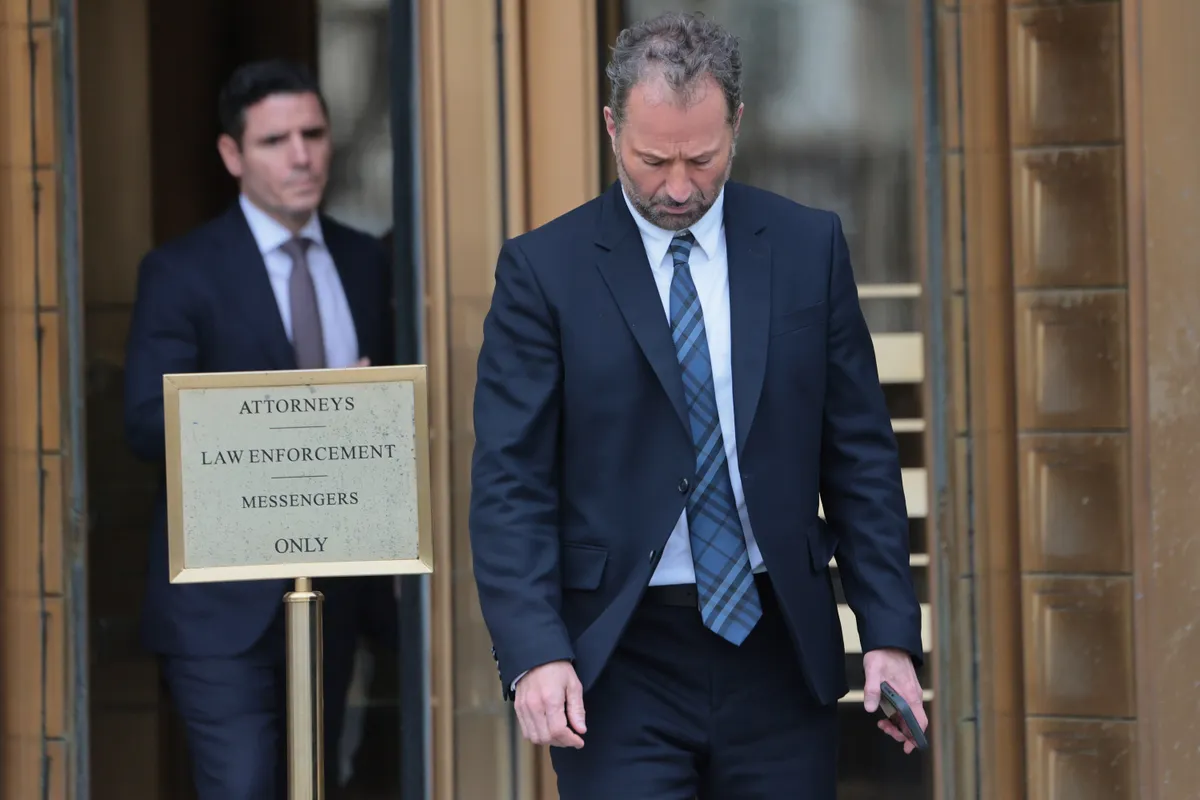
Baker's apology came as the messages drew attention to the company's internal culture at a time when consumers across the country have raised widespread complaints about exorbitant service fees and limited alternatives when purchasing tickets to major events.
A sprawling entertainment empire under scrutiny
Live Nation merged with Ticketmaster in 2010 in a deal that regulators approved with conditions. Critics have argued for years that the merger created an entity with too much control across multiple layers of the concert industry - from signing artists to booking venues to selling tickets.
The U.S. Department of Justice launched an antitrust lawsuit against the company, arguing that its structure effectively shut out competition and harmed consumers through higher prices and reduced choice. The jury's finding of an illegal monopoly validates those central arguments.
Potential consequences
The verdict raises questions about what remedies may follow. Antitrust rulings of this nature can lead to court-ordered structural changes, including the potential breakup of business units, though any such outcome would likely face extended legal proceedings.
Consumer advocacy groups and rival ticketing companies have long pushed for Live Nation to be broken up or for Ticketmaster to be separated from its parent company. The jury's decision lends legal weight to those arguments for the first time.
Live Nation has not yet indicated whether it plans to appeal the ruling. The company has historically defended its business model as benefiting artists and fans by providing an integrated, efficient platform for live entertainment.
The verdict arrives as frustration over ticket pricing has become a high-profile public issue, with major concert tours in recent years generating widespread backlash over fees that can sometimes double or triple the face value of a ticket by the time a purchase is completed.